Street League Spec Offers Comprehensive Resources for Pilots
Highlighting the availability of official rules, build guides, and how-to videos for Street League Spec participants.
Street League Spec Offers Comprehensive Resources for Pilots
Introduction: Dive Into the Thrilling World of FPV Racing!
Are you tired of just watching FPV racing videos and wish you could experience that heart-pounding, high-speed action yourself? The world of First-Person View (FPV) racing is an electrifying sport that combines cutting-edge technology with pilot skill, offering an unparalleled sense of freedom and speed. Imagine piloting a drone as if you were sitting in the cockpit, weaving through gates at incredible velocities, all while competing against others. It's not just a hobby; it's an adrenaline-fueled passion!
Are You Ready for Adrenaline-Pumping, First-Person Flight?
If the thought of flying a nimble, high-performance drone with precision and speed excites you, then FPV racing is calling your name. It's a journey that demands dedication, practice, and a bit of technical know-how, but the rewards — the thrill of a perfect lap, the camaraderie of the FPV community, and the sheer joy of flight — are immense.
Your 'Smart Start' Guide to Mastering FPV Racing
This comprehensive "Smart Start" guide is designed specifically for you, the aspiring FPV racer. We'll demystify the process, from choosing your first gear and setting up your drone to mastering flight techniques and understanding the racing scene. Our goal is to equip you with the knowledge to get started efficiently, without breaking the bank or your drone, setting you on the path to becoming a formidable FPV pilot. Let's get started on how to start FPV racing!
The Adrenaline Rush: Why FPV Racing is Your Next Obsession
FPV racing is more than just flying drones; it's an immersive experience that pushes the boundaries of remote control flight.
What Exactly is FPV Racing?
FPV racing involves pilots navigating specially designed racing drones through a challenging obstacle course, typically marked by gates and flags, in the fastest time possible. Pilots wear FPV goggles that display a live video feed from a camera mounted on the drone, providing a true "first-person" perspective. This immersive view is what makes FPV racing so unique and thrilling. Drones used in racing are built for speed, agility, and durability, often featuring powerful brushless motors and lightweight frames.
The Unique Thrill of First-Person View Flying
Unlike traditional line-of-sight drone flying, FPV puts you directly in the cockpit. The world rushes past as if you're truly soaring through the air. This connection to the drone creates an incredibly intense and engaging experience. The precision required to hit gates at high speed, the split-second decisions, and the sheer sense of acceleration are what hook pilots from their very first flight. It's a feeling that's hard to describe but utterly addictive once experienced.
Community, Competition, and Endless Customization
The FPV racing scene is vibrant and welcoming. From local meetups and casual races to national championships, there's a strong sense of community. Pilots share tips, help each other with builds, and celebrate successes. Beyond the competition, FPV racing offers endless opportunities for customization. Every component, from the frame to the flight controller, can be swapped and tuned to optimize performance, allowing pilots to truly make their drone their own.
Your Smart Start Checklist: Essential FPV Racing Gear for Beginners
Getting into FPV racing requires a few key pieces of equipment. Think of these as your basic pilot kit.
The FPV Goggles: Your Immersive Window to the Race
Your FPV goggles are arguably the most crucial piece of equipment, as they provide your direct view of the race.
- Box Goggles: Affordable and a great starting point. Models like the Eachine EV800D offer a good field of view and built-in DVR (Digital Video Recorder) for reviewing your flights. They're bulky but get the job done.
- Compact Goggles: As you progress, you might upgrade to more compact, higher-resolution options like Skyzone SKY04X or Fat Shark Dominator HDO2. These are lighter, offer better optics, and are more comfortable for extended use.
- Digital FPV Systems: For the ultimate clarity, digital systems like DJI Goggles 2 or Walksnail Avatar HD Goggles offer crisp, low-latency high-definition video. While more expensive, they provide an incredible visual experience. For beginners, analog is often recommended due to lower cost and wider compatibility.
The Radio Transmitter: Your Command Center
This is how you control your drone. A good radio transmitter is an investment that will last you through many drones.
- Entry-Level Radios: For beginners, excellent options include the Radiomaster Zorro or Radiomaster Pocket. These are compact, feature full-size gimbals (the sticks you control with), and support various protocols like ELRS (ExpressLRS), which is highly recommended for its long range and low latency.
- Mid-Range Radios: The Radiomaster TX16S Mark II is a popular choice for its versatility, large screen, and ability to support almost any drone protocol. It's a great "buy once, cry once" option.
The Drone: Understanding RTF, BNF, and DIY Options
This is your racing machine! There are a few paths to getting your first FPV racing drone.
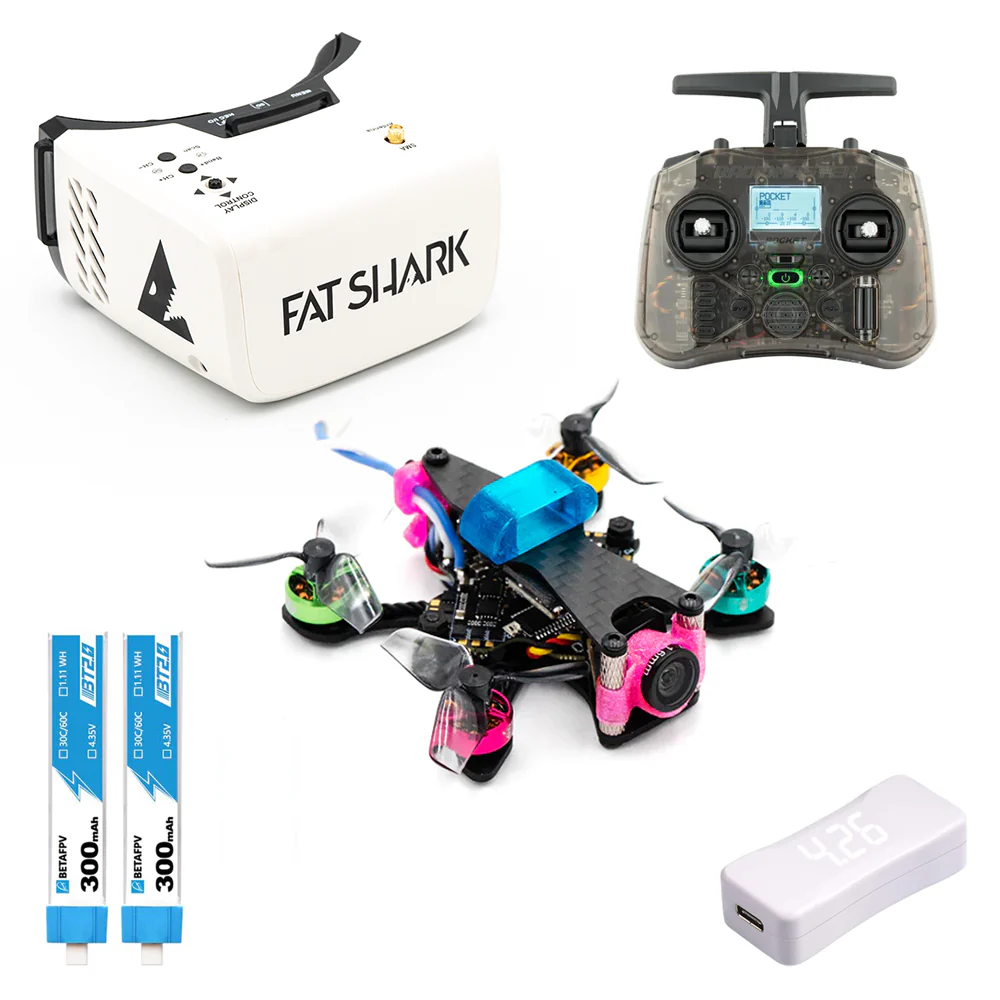
- Ready-to-Fly (RTF) Kits: The easiest way to start. These kits come with everything you need: a drone, goggles, and a radio transmitter, pre-bound and ready to fly. Examples include the Eachine Novice-III or the BetaFPV Cetus X. They are perfect for how to start FPV racing with minimal fuss.
- Bind-N-Fly (BNF) Drones: These drones come fully assembled but without a radio or goggles. You'll need to bind them to your existing radio. This is a good option if you already have a radio and goggles from an RTF kit or purchased separately.
- Do-It-Yourself (DIY) Builds: Building your own drone offers the deepest understanding of its components and is incredibly rewarding. However, it requires soldering skills and troubleshooting knowledge. For your first racing drone, an RTF or BNF is often recommended to get you flying faster.
Powering Up: Batteries, Chargers, and Essential Tools
- LiPo Batteries: FPV drones are powered by Lithium Polymer (LiPo) batteries. You'll need several (at least 4-6) for a decent flying session. Common sizes for 5-inch racing drones are 4S or 6S (referring to the number of cells in series) with capacities typically ranging from 1100mAh to 1500mAh. For Tiny Whoops, 1S or 2S batteries are common.
- Smart Chargers: A good balance charger like the ISDT Q8 Max or ToolkitRC M4Q is essential for safely charging and maintaining your LiPo batteries. Always charge in a fire-safe location and never leave batteries unattended.
- Basic Tools: A small screwdriver set, hex wrenches, prop removal tool, zip ties, and electrical tape are invaluable for minor repairs and maintenance.
Building Your First Racer: From Box to Bind (The Beginner's Way)
Getting your drone ready for its maiden flight doesn't have to be intimidating.
Choosing Your Path: Ready-to-Fly (RTF) vs. Build-Your-Own
For your first FPV racing drone, we strongly recommend an RTF (Ready-to-Fly) kit. These kits are designed for beginners and take away the complexity of assembly and initial setup. They are truly the "smart start" for FPV racing beginners. While building your own is a fantastic learning experience, it's best reserved for your second or third drone once you've gained some flight experience and understand what you're looking for in terms of performance and components.
Basic Assembly & Component Overview for RTF/BNF Kits
If you choose an RTF kit, assembly is usually minimal – often just attaching propellers and charging batteries. For BNF drones, you might need to attach an antenna or specific receiver. Take a moment to familiarize yourself with the main components:
- Frame: The backbone of your drone.
- Motors: Provide thrust.
- ESCs (Electronic Speed Controllers): Control motor speed.
- Flight Controller (FC): The "brain" that processes your inputs and stabilizes the drone.
- VTX (Video Transmitter): Sends video to your goggles.
- FPV Camera: The "eyes" of your drone.
- Receiver (RX): Communicates with your radio transmitter.
Binding Your Radio Transmitter to Your Drone
This is the process of linking your radio to your drone's receiver so they can communicate. The exact steps vary depending on your radio and receiver (e.g., ExpressLRS, FrSky, Crossfire), but generally involve:
- Putting your radio into "bind mode."
- Powering up your drone while holding a "bind button" on the receiver (or entering a bind command via Betaflight CLI).
- Waiting for confirmation (usually an LED change) that they are bound. Consult your specific kit's manual for detailed instructions, as this step is crucial.
Initial Setup & Configuration Basics (e.g., Betaflight)
Most FPV racing drones run on firmware like Betaflight. While RTF kits often come pre-tuned, it's good to know the basics.
- Betaflight Configurator: This is a free software application you run on your computer. You connect your drone via USB.
- Checking Stick Inputs: In the "Receiver" tab, ensure your radio stick movements correspond correctly to the drone's movements (throttle, roll, pitch, yaw).
- Arming Switch: Set up an "Arm" switch on your radio (usually a 2- or 3-position switch) in the "Modes" tab. This switch enables the motors.
- Failsafe: Crucially, ensure your failsafe is configured. This is a safety feature that tells the drone what to do if it loses connection with your radio (e.g., disarm and drop, or land gently). This is vital for safety and preventing flyaways.
Master the Skies (Virtually First!): The Power of FPV Simulators
Before you even think about flying your physical drone, spend significant time in an FPV simulator. This is non-negotiable for new pilots!
Why Simulator Practice is Non-Negotiable for New Pilots
FPV racing drones are incredibly fast and agile. Without prior experience, your first real flight will likely end in a crash, potentially damaging your drone and discouraging you. Simulators allow you to crash endlessly without consequence, building muscle memory, understanding physics, and developing control in a safe, cost-effective environment. This is the single best way to accelerate your learning curve.
Top FPV Simulators Recommended for Beginners
- Velocidrone: Widely regarded as the most realistic simulator for racing. It offers excellent physics and a vast array of tracks and drones. Many pro racers use it for practice.
- Liftoff: Offers a more polished graphical experience and a good selection of environments and drones. The physics are very good, making it another solid choice.
- DRL Simulator (Drone Racing League): Based on the official Drone Racing League, this simulator features realistic DRL tracks and drones, providing a competitive edge.
- Uncrashed: Known for its stunning graphics and diverse environments, offering a great balance of realism and visual appeal.
Effective Practice Drills to Build Muscle Memory and Control
Start with the basics:
- Hovering: Practice holding a stable hover at a fixed altitude and position.
- Figure Eights: Fly smooth figure eights to practice coordinated turns (using both yaw and roll).
- Gate Practice: Start with wide, easy gates and gradually narrow them. Focus on smooth entry and exit.
- Track Practice: Once comfortable, try flying simple race tracks, focusing on consistency over speed initially.
- Power Loops & Rolls: Once you have the basics down, you can start practicing more advanced maneuvers.
Setting Up Your Radio Controller for Simulator Use
Most modern FPV radio transmitters can connect to your computer via a USB-C cable and function as a joystick.
- Connect: Plug your radio into your computer. It should be recognized as a game controller.
- Calibrate: Open your chosen simulator and navigate to the controller setup/calibration menu.
- Map Controls: Follow the on-screen prompts to map your throttle, roll, pitch, and yaw axes. Ensure the stick movements correspond correctly in the simulator.
- Practice: Spend hours in the simulator. Seriously. It will save you money and frustration in the long run.
Taking Flight: Fundamental FPV Racing Techniques for New Pilots
Once you've spent significant time in the simulator and feel confident, it's time to apply those skills to the real world. Start in a large, open, and safe area, far away from people, animals, and property.
Throttle Control and Altitude Management: The Basics of Hovering
This is the foundation of all FPV flight.
- Throttle "Sweet Spot": FPV drones don't have auto-leveling like camera drones. You must constantly adjust the throttle to maintain altitude. Find the "sweet spot" where the drone hovers stably.
- Gentle Inputs: Start with very gentle, small adjustments to the throttle. Over-correcting is a common beginner mistake.
- Altitude Awareness: Always be aware of your drone's height. Practice taking off, hovering at eye level, and gently landing.
Navigating Gates and Cornering Strategies
- Look Ahead: Just like driving, you need to look ahead of where your drone currently is to anticipate your next move.
- Smooth Arcs: For gates, aim for smooth, wide arcs rather than sharp, jerky turns. This maintains momentum and control.
- Yaw and Roll Coordination: To turn effectively, you'll use a combination of roll (tilting the drone left or right) and yaw (rotating the drone on its vertical axis). As you roll into a turn, add a touch of yaw in the same direction to keep the camera pointed forward and maintain your line.
- Gate Entry/Exit: Aim for the center of the gate. As you exit, immediately start setting up for the next obstacle.
The Art of Line Management: Finding the Fastest Path
Line management is about choosing the most efficient path through a course.
- Inside Line: Often, taking the inside line around a corner is faster, but sometimes a wider arc can maintain more speed.
- Momentum: FPV racing is all about maintaining momentum. Avoid braking hard or making sharp, speed-killing turns.
- Practice, Practice, Practice: The best way to learn line management is by flying the same track repeatedly in the simulator and real life, experimenting with different approaches.
Crash Recovery and Drone Durability Tips
- Disarm Immediately: If you crash or lose control, immediately hit your "Arm" switch to disarm the drone. This stops the propellers, preventing further damage to the drone, props, and potential injury.
- Check for Damage: After a crash, always inspect your props, motors, and frame for damage before attempting to fly again. Bent props are a common cause of poor flight performance.
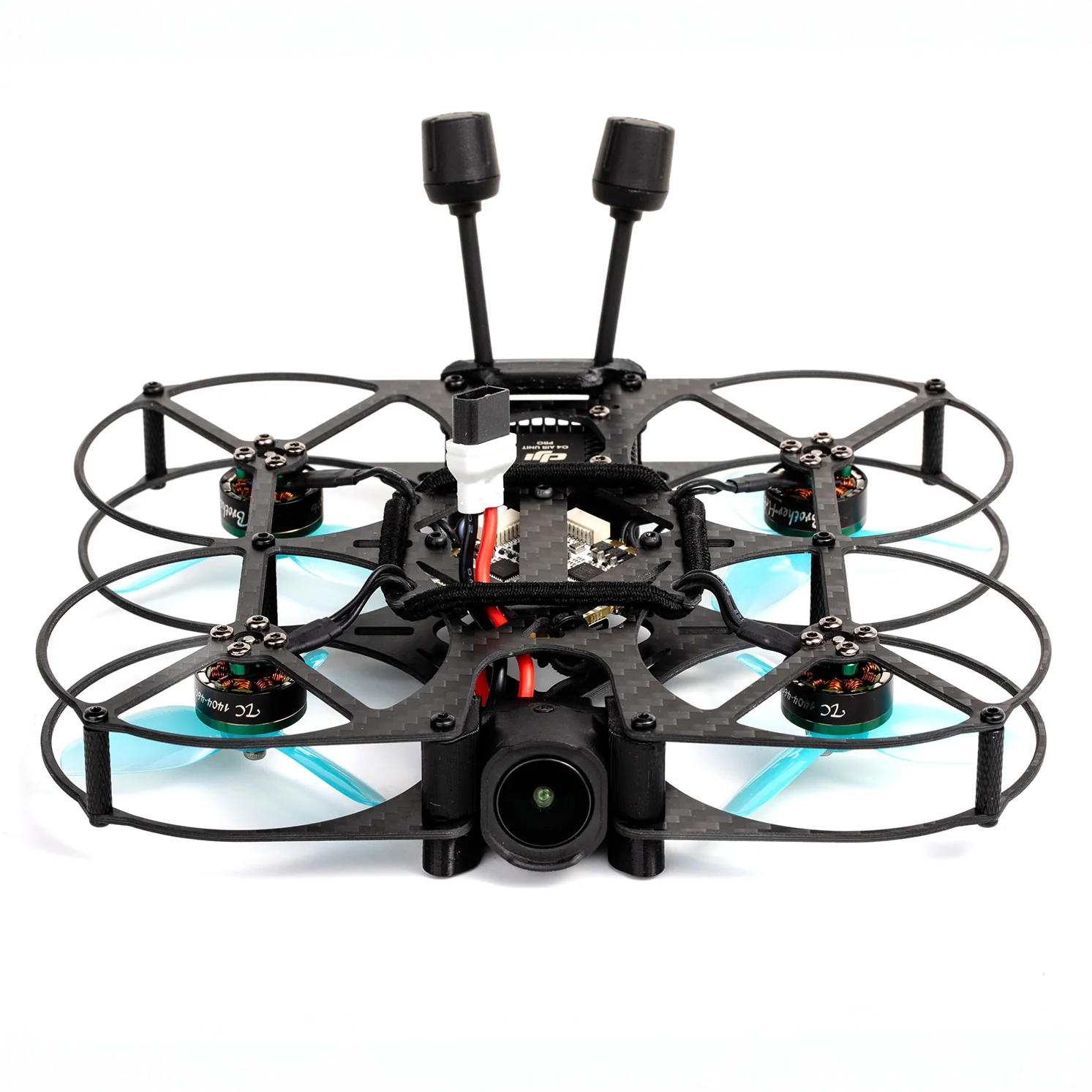
- Durable Components: Beginners often benefit from more durable frames (like a sturdy 5-inch X-frame) and prop guards (especially for Tiny Whoops) to withstand inevitable crashes.
- LiPo Care: Check your LiPo batteries for puffing or damage after a crash. Damaged LiPos can be dangerous.
The FPV Racing Buyer's Guide: Recommended Gear for New Pilots
Making smart purchasing decisions early on can save you money and frustration.
All-in-One RTF Kits: Get Flying Instantly (e.g., Tiny Whoops, Beginner 5" kits)
For the absolute beginner, an RTF kit is king.
- Tiny Whoops: Small, ducted drones like the EMAX Tinyhawk III RTF Kit or BetaFPV Cetus X Kit are fantastic for learning. They are durable, safe to fly indoors, and teach you fundamental controls without the high speed and risk of a 5-inch. They are great for building confidence.
- Beginner 5" Kits: Some manufacturers offer 5-inch RTF kits, such as the Eachine Novice-III. These provide a taste of full-size racing but often come with more basic components. They are a good entry point if you want to jump straight into larger drones, but be prepared for more potential crashes and repairs.
Stepping Up: Component Choices for Your First Build (e.g., Frames, Motors, ESCs, Flight Controllers)
Once you're ready to build or upgrade, here's what to consider for a 5-inch racing drone:
- Frames: Look for durable carbon fiber frames. Popular beginner-friendly designs include the IFlight Nazgul5 or EMAX Hawk Pro frames. X-frames are common for racing due to their symmetrical design and balance.
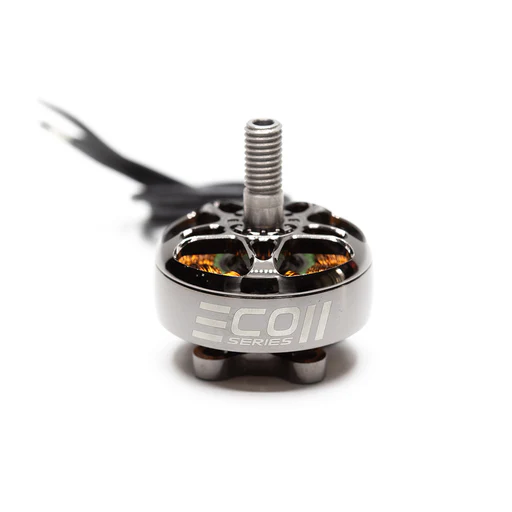
- Motors: Choose motors suitable for 4S or 6S batteries. For 5-inch racing, common KV (RPM per volt) ratings are around 1700-1950KV for 6S and 2400-2750KV for 4S. Brands like EMAX Eco Series or T-Motor F-Series offer great performance and value.
- ESCs: A 4-in-1 ESC (Electronic Speed Controller) simplifies wiring and reduces stack height. Look for 30A-60A ESCs, depending on your motor choice.
- Flight Controllers (FC): Modern FCs often come integrated with a PDB (Power Distribution Board). Popular beginner-friendly options include SpeedyBee F405 or HGLRC Specter series, which are robust and easy to configure with Betaflight.
- FPV Camera: A good FPV camera like a RunCam Phoenix 2 or Foxeer Razer Mini offers clear, low-latency video.
- VTX (Video Transmitter): Analog VTXs are still popular for their affordability. Choose one with selectable power output (25mW to 800mW+) for flexibility.
Analog vs. Digital FPV Systems: What's Best for Your Budget and Performance?
- Analog FPV:
- Pros: Much cheaper entry cost, wider variety of components, generally lower latency (though digital has caught up), "graceful degradation" (static when signal is weak, but still flyable).
- Cons: Lower resolution, susceptible to interference, "snowy" image quality.
- Best For: Beginners on a budget, those prioritizing raw latency, or pilots flying in crowded analog environments.
- Digital FPV (e.g., DJI, Walksnail, HDZero):
- Pros: Stunning HD image quality, strong signal penetration, often better range.
- Cons: Significantly more expensive, higher latency (though constantly improving), "digital cutoff" (image freezes or disappears entirely when signal is lost).
- Best For: Those who prioritize image clarity, have a larger budget, or want to record high-quality onboard footage.
For a true "Smart Start," analog is often the recommended path for beginners due to the lower initial investment, allowing you to get flying and learn the ropes without a huge financial commitment. You can always upgrade to digital later.
Budgeting for Your FPV Racing Journey: What to Expect for Initial Costs
The cost to start FPV racing can vary widely:
- Entry-Level RTF Kit (Tiny Whoop): €150 - €300 (e.g., EMAX Tinyhawk III Kit). This is the cheapest way to get into FPV.
- Entry-Level RTF Kit (5-inch): €350 - €600 (e.g., Eachine Novice-III).
- Separate Analog Gear (Goggles, Radio, BNF Drone): €400 - €800.
- Goggles: €100 - €200 (Eachine EV800D)
- Radio: €100 - €200 (Radiomaster Zorro/Pocket)
- BNF Drone: €200 - €400
- Batteries & Charger: €100 - €200
- Separate Digital Gear (Goggles, Radio, BNF Drone): €800 - €1500+
- Goggles: €400 - €700 (DJI Goggles 2)
- Radio: €100 - €200 (Radiomaster Zorro/TX16S)
- BNF Drone (with digital VTX): €400 - €600+
- Batteries & Charger: €100 - €200
Remember, these are initial costs. You'll also need to factor in spare parts (props, arms, motors), which are an inevitable part of FPV racing!
Frequently Asked Questions About FPV Racing
How much does it cost to start FPV racing?
As detailed above, you can start with a basic Tiny Whoop RTF kit for as little as €150-€300. For a more serious 5-inch racing setup with separate analog components, expect to spend €400-€800. Digital systems push that up to €800-€1500+.
Do I need to know how to solder to get into FPV racing?
Not necessarily for your very first drone! Many RTF and BNF kits require no soldering. However, as you progress and want to repair or build your own drones, basic soldering skills become incredibly useful and almost essential. It's a skill worth learning, but don't let it stop you from starting.
What's the best first FPV drone for racing?
For learning the basics and flying safely indoors, a Tiny Whoop RTF kit (like the EMAX Tinyhawk III or BetaFPV Cetus X) is highly recommended. If you want to jump straight to a larger drone, a 5-inch RTF kit like the Eachine Novice-III is a decent option, but be prepared for more crashes.
How long does it take to learn FPV racing?
Learning the basics of FPV flight can take anywhere from a few hours to a few days of dedicated simulator practice. Becoming proficient enough to navigate a race track smoothly might take weeks or months. Mastering advanced techniques and competitive racing can take years. Consistency in practice is key!
Can I race indoors, and what kind of drone do I need?
Yes, absolutely! Indoor racing is very popular. For indoor racing, you'll need a smaller, safer drone, typically a Tiny Whoop or a similar ducted micro drone. Their prop guards make them much safer for flying around furniture and people, and their smaller size is perfect for tighter indoor spaces.
Conclusion: Your FPV Racing Journey Begins Now!
Congratulations, aspiring pilot! You've just taken the first crucial step into the exhilarating world of FPV racing. This "Smart Start" guide has armed you with the foundational knowledge to navigate your initial gear choices, understand your drone, and begin your flight training with confidence.
Recap: Your Smart Start to FPV Racing Success
We've covered everything from the essential gear – FPV goggles, radio transmitters, and drone options – to the critical importance of simulator practice. You now understand the basic flight techniques, the differences between analog and digital FPV, and how to budget for your new passion. Remember, the journey is as rewarding as the destination, filled with learning, challenges, and immense fun.
Call to Action: Grab Your Gear and Take to the Skies!
Don't let the technical details intimidate you. Start with an affordable RTF kit, dedicate time to simulator practice, and join the vibrant FPV community. The skies are waiting! Head over to fpvlovers.com.tr to explore the latest gear, find more tutorials, and connect with fellow pilots. Your FPV racing adventure starts today – grab your gear, charge those batteries, and prepare for an unparalleled experience!
Copyright-safe media generated locally by FPVLovers