Best FPV Starter Kits 2026: RTF Bundles for Beginners
Compare the best ready-to-fly FPV starter kits and what you need to buy first.
Unleash the Skies: Your Gateway to FPV Drone Piloting
Have you ever dreamt of soaring through the air like a bird, navigating intricate spaces with precision, or pulling off gravity-defying maneuvers from a first-person perspective? Welcome to the exhilarating world of FPV (First-Person View) drone piloting! It's an immersive hobby that combines cutting-edge technology with incredible skill, offering an experience far beyond conventional drone flying.
The Thrill of First-Person View Flight
FPV isn't just flying a drone; it's being in the drone. Wearing a set of FPV goggles, you see a live video feed directly from a camera mounted on your drone, giving you an unparalleled sense of presence and speed. This direct connection allows for incredibly precise control, enabling pilots to weave through obstacles, race at breakneck speeds, and execute breathtaking acrobatic tricks that would be impossible with line-of-sight flying. It's a truly captivating experience that hooks pilots from their very first flight.
What Exactly is an FPV Starter Kit?
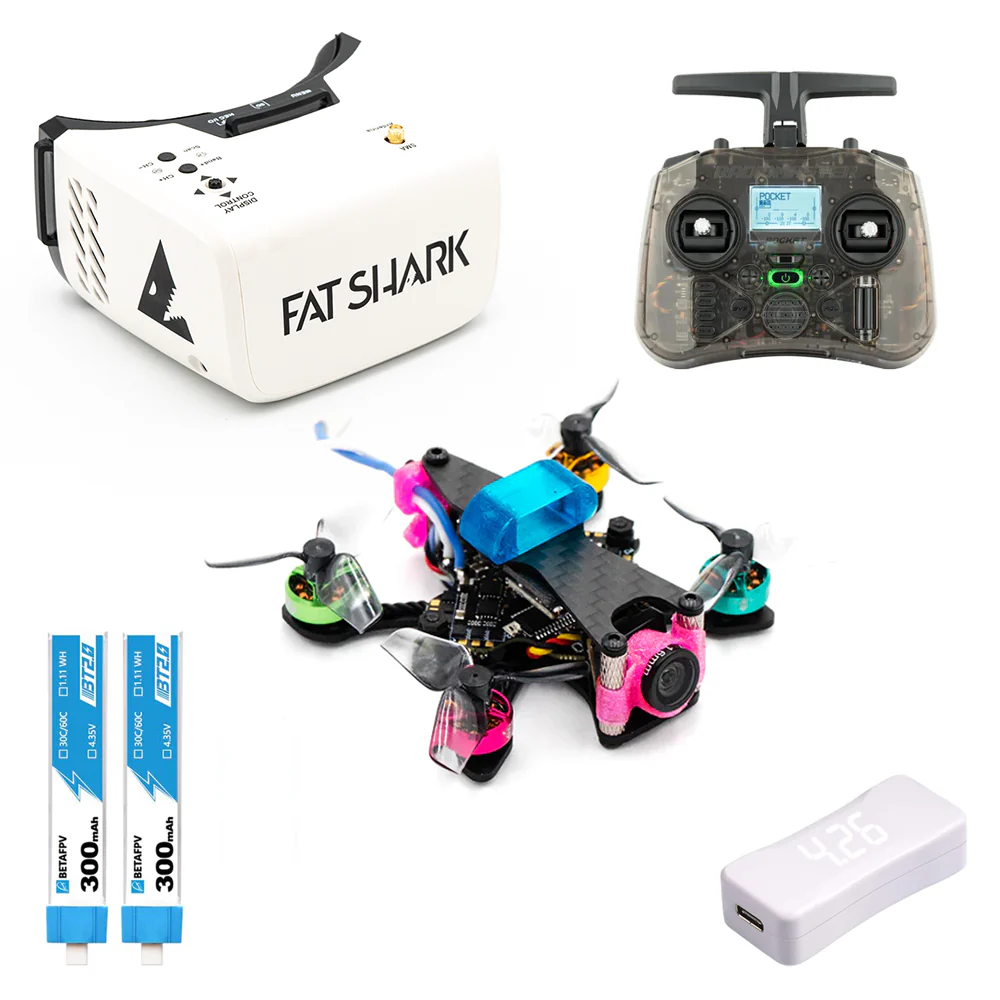
An FPV starter kit is designed to be your all-in-one package for entering this exciting hobby. Instead of buying individual components like the drone, goggles, and radio transmitter separately (which can be overwhelming and costly for a beginner), a starter kit bundles everything you need to get airborne. These kits are curated to ensure compatibility and ease of setup, making the initial learning curve much smoother.
Why a Starter Kit is Your Best Launchpad into FPV
For absolute beginners, an FPV starter kit is invaluable. It removes the guesswork of component selection, often comes pre-bound and pre-configured, and provides a balanced set of gear that's suitable for learning. Many kits also include spare parts and essential accessories, saving you time and money. Rather than getting bogged down in technical details, a starter kit lets you focus on the most important part: learning to fly and having fun!
Decoding the FPV Starter Kit: Essential Components Explained
Understanding what's inside an FPV starter kit will help you make an informed decision. Each component plays a vital role in your flight experience.
The Drone: From Tiny Whoops to Versatile Micros
The star of the show! FPV starter kits typically feature smaller, more durable drones, perfect for beginners.
- Tiny Whoops: These are small, ducted propeller drones (often 65mm-75mm motor-to-motor diagonal) designed primarily for indoor flight. Their prop guards make them incredibly durable and safe for flying around furniture and people. They're excellent for learning basic controls in a low-stress environment. Examples include the BetaFPV Cetus series or the EMAX Tinyhawk series.
- Micro Drones: Slightly larger (75mm-100mm), micro drones offer more power and stability, making them suitable for both indoor and outdoor flight. They can handle light wind better and often carry higher-quality cameras. Some micro drones, like the Eachine Novice IV, are designed for light freestyle.
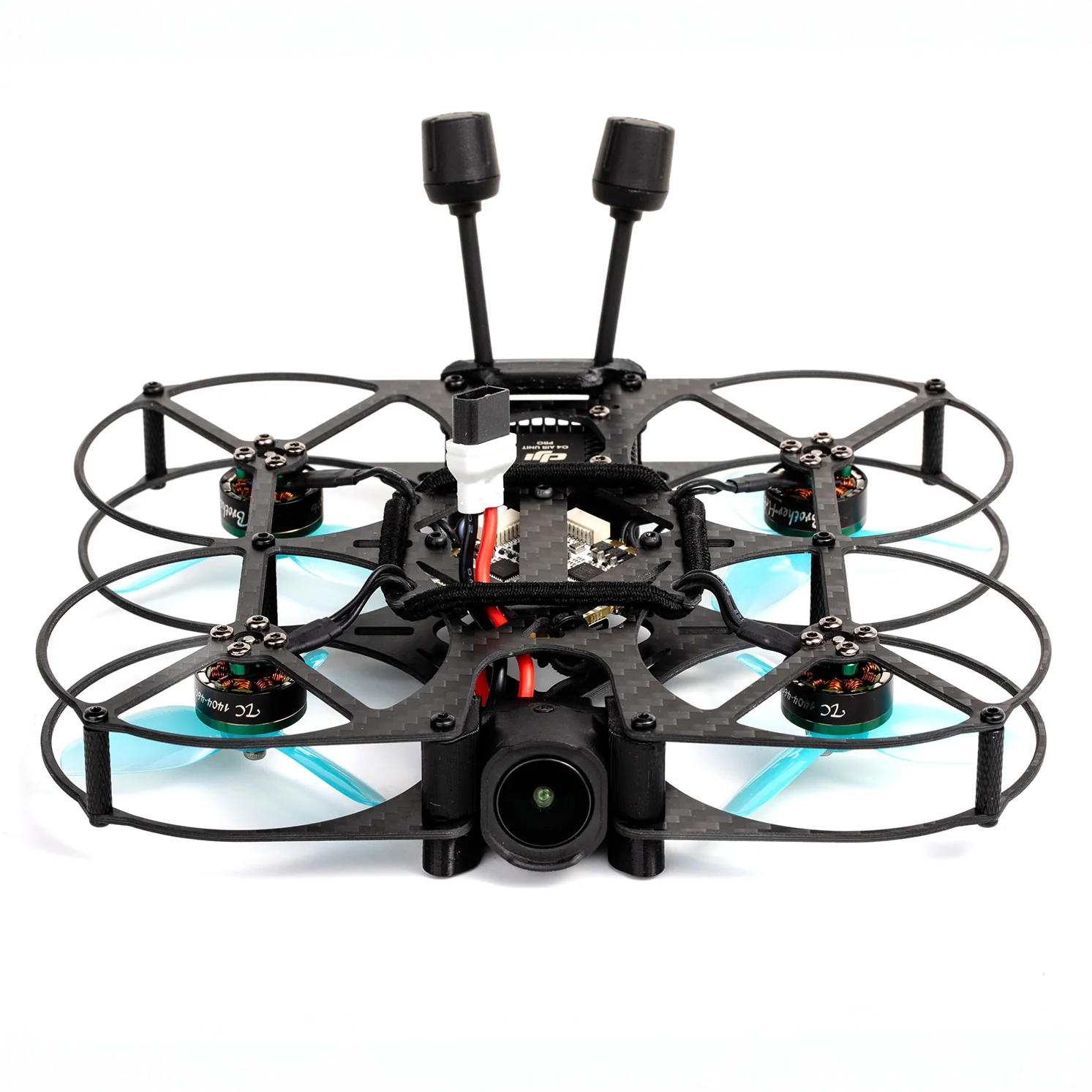
- Cinewhoops: A specialized type of micro drone (often 2.5-inch or 3-inch propellers) with full propeller protection, designed for smooth, stable cinematic footage in tight spaces. While not typically found in absolute beginner kits, some advanced micro kits might lean this way.
The FPV Goggles: Your Immersive Window to the Sky
These are your "eyes" in the sky. FPV goggles display the live video feed from your drone's camera.
- Box Goggles: Most beginner kits include "box goggles" (e.g., BetaFPV VR02/VR03, EMAX Transporter 2). These are bulkier but offer a large, comfortable screen and are generally more affordable. They use analog video transmission, which is standard for most beginner FPV.
- Analog vs. Digital: While most starter kits use analog video (characterized by static/fuzz when signal is weak), higher-end systems use digital (e.g., DJI O3, Walksnail Avatar, HDZero) for crystal-clear, high-definition feeds. Digital systems are significantly more expensive and generally not found in entry-level kits. For learning, analog is perfectly adequate and more forgiving with signal loss.
The Radio Transmitter: Your Hands-On Connection to the Drone
This is your control stick, your direct link to the drone.
- Ergonomics and Feel: Starter kit radios (e.g., LiteRadio 2 SE, EMAX E8) are usually compact and simplified. While functional, they might not have the advanced features or premium feel of standalone radios like a Radiomaster Zorro or Pocket.
- Protocols: Radios communicate with drones using specific protocols (e.g., FrSky D8/D16, ELRS, Crossfire). Starter kits often use common protocols that are easy to bind. ELRS (ExpressLRS) is rapidly becoming the standard for its range, reliability, and low latency, so a kit with an ELRS radio/receiver is a great long-term choice.
Powering Your Flight: Batteries, Chargers, and Crucial Accessories
No flight happens without power!
- Batteries: Starter kits typically include several small LiPo (Lithium Polymer) batteries (e.g., 1S 300-450mAh for Tiny Whoops, 2S 350-650mAh for Micros). These offer flight times of 3-6 minutes per battery. Always handle LiPo batteries with care!
- Charger: A basic USB charger is usually included, capable of charging one or more batteries simultaneously. As you progress, you'll likely upgrade to a more advanced balance charger for faster, safer charging.
- Spare Parts: Propellers, a basic screwdriver, and sometimes even a spare motor are common inclusions, recognizing that crashes are part of the learning process.
Ready-to-Fly (RTF) vs. Bind-and-Fly (BNF): Which Path is Right for You?
The FPV world offers different levels of "readiness" when purchasing a drone.
RTF Kits: Instant Gratification for Absolute Beginners
Ready-to-Fly (RTF) kits are designed for maximum convenience. Everything you need is in the box, pre-assembled, pre-bound, and often pre-configured. You literally charge the batteries, follow a few simple instructions, and you're ready to fly.
- Pros: Easiest entry, no technical setup required, guaranteed compatibility.
- Cons: Often includes basic components that you might outgrow quickly, less room for customization.
- Best For: Absolute beginners who want to minimize technical hurdles and just want to fly.
BNF Kits: A Step Up for Customization and Existing Gear
Bind-and-Fly (BNF) drones come fully assembled but without a radio transmitter or goggles. You need to supply your own.
- Pros: Allows you to choose higher-quality radio/goggles, more customization, often better performance out of the box.
- Cons: Requires you to have compatible gear already or purchase it separately, involves binding the drone to your radio (a simple but necessary technical step).
- Best For: Pilots who already own a good radio (like a Radiomaster Zorro or Pocket) and/or FPV goggles, or those who want to invest in better standalone components from the start.
The DIY Route: Building Your Own (and Why Most Beginners Don't Start Here)
Building an FPV drone from scratch involves sourcing every component (frame, motors, ESCs, flight controller, camera, VTX, receiver), soldering, and configuring the software (Betaflight/ArduPilot).
- Pros: Deep understanding of your drone, ultimate customization, cost savings in the long run.
- Cons: Steep learning curve, requires tools and technical skills, troubleshooting can be frustrating.
- Best For: Experienced hobbyists, electronics enthusiasts, or those who want to fully immerse themselves in the technical side after gaining flight experience. It's generally not recommended for your very first foray into FPV.
Matching Your FPV Dreams: Kit Types for Every Pilot & Purpose
Your FPV journey can take many paths. Choosing a kit that aligns with your interests will enhance your learning and enjoyment.
Tiny Whoop Kits: Indoor Fun, Durability, and Low-Stress Learning
- Characteristics: Small (65-75mm), lightweight, ducted propellers, usually 1S battery.
- Ideal For: Learning basic controls, flying indoors in small spaces, practicing precision flying without fear of major damage. Their enclosed props make them safe for pets and furniture.
- Example: BetaFPV Cetus Pro FPV Kit.
Micro/Cinewhoop Kits: Versatile Indoor/Outdoor Cruising and Smooth Footage
- Characteristics: Slightly larger (75-100mm), more powerful (often 2S batteries), can handle light outdoor conditions. Some have prop guards for safety/durability.
- Ideal For: Transitioning from indoor to outdoor flight, learning more aggressive maneuvers, capturing smoother, more stable footage (especially cinewhoop variants). They offer a good balance of durability and performance.
- Example: EMAX Tinyhawk III Plus RTF Kit.
Freestyle/Racing Kits: Power, Speed, and Adrenaline for Advanced Maneuvers
- Characteristics: Larger (3-inch to 5-inch propellers), powerful motors, higher battery counts (3S-6S), robust frames designed for impacts. Focused on agility and speed.
- Ideal For: Performing acrobatic tricks (freestyle), competing in races, flying in open outdoor spaces. These are generally not beginner kits but represent the goal many beginners aspire to. Some advanced micro kits, like the Eachine Novice IV, can offer a taste of freestyle.
The Ultimate Buyer's Guide: Choosing Your First FPV Starter Kit
Making your first FPV purchase can feel daunting. Here’s what to consider to ensure you pick the right kit for you.
Budgeting for Your First FPV Drone: What to Expect to Spend
FPV starter kits typically range from $150 to $350 USD.
- $150-$250: Basic Tiny Whoop kits (e.g., BetaFPV Cetus Pro). Excellent for absolute beginners, focusing on indoor flight and core mechanics.
- $250-$350: More advanced micro kits (e.g., EMAX Tinyhawk III Plus, Eachine Novice IV). Offer better performance, often 2S batteries, and sometimes slightly better goggles/radios, allowing for both indoor and outdoor flight. Remember, this is just the entry cost. Factor in extra batteries, spare props, and potentially a better charger down the line.
Durability and Repairability: Learning from Crashes (It Will Happen!)
Crashes are an inevitable part of learning FPV. Choose a kit that can withstand impacts and is easy to repair.
- Prop Guards: Essential for beginner drones, protecting propellers and motors from damage.
- Robust Frame: Look for kits with flexible plastic or carbon fiber frames that can take a beating.
- Availability of Spare Parts: Ensure that motors, frames, and other consumables are readily available from the manufacturer or third-party sellers. Kits from established brands like BetaFPV and EMAX excel here.
Upgrade Path and Future-Proofing Your Investment
Consider how easily you can upgrade components as your skills grow.
- Radio Transmitter: While kit radios are fine for starting, investing in a better standalone radio (e.g., Radiomaster Zorro or Pocket with an ELRS module) early on can save you money later. These radios are compatible with many BNF drones.
- Goggles: Box goggles are great for beginners, but you might eventually want to upgrade to more compact, higher-resolution goggles, possibly even digital ones.
- Drone: Your first drone is for learning. Don't expect it to be your forever drone. Focus on learning the basics, and then you can graduate to a more powerful, specialized machine.
Community Support, Online Resources, and Simulator Recommendations
The FPV community is incredibly supportive.
- Online Forums & Groups: Look for brands with active communities where you can ask questions and get help.
- YouTube Tutorials: There's a wealth of free learning content. Joshua Bardwell, Oscar Liang, and many others offer excellent guides.
- FPV Simulators: Absolutely essential! Before your first real flight, spend hours on a simulator. It builds muscle memory without crashing real hardware. Popular options include VelociDrone, DRL Simulator, Liftoff, and Uncrashed. Many starter kit radios can connect to a PC for simulator use.
Top FPV Starter Kits Compared: Finding Your Perfect Match
Let's dive into some specific recommendations based on different beginner needs and goals.
Best for Absolute Beginners: Easiest Entry Points & Simplicity
- BetaFPV Cetus Pro FPV Kit:
- Includes: Cetus Pro drone, LiteRadio 2 SE transmitter, VR02 FPV Goggles, 2x 1S batteries, USB charger, props, carry case.
- Why it's great: Extremely durable ducted drone, easy to fly with altitude hold mode (though learn without it!), very compact, and comes with everything. The LiteRadio 2 SE is a decent beginner radio. Excellent for indoor learning.
- Considerations: Limited outdoor capability, basic box goggles.
- EMAX Tinyhawk III Plus RTF Kit:
- Includes: Tinyhawk III Plus drone, EMAX E8 transmitter, Transporter 2 Goggles, 2x 1S batteries, USB charger, props, carry case.
- Why it's great: A step up in performance from the Cetus Pro, capable of both indoor and calm outdoor flight. EMAX has a strong reputation for durability and spare parts. The Transporter 2 goggles are comfortable.
- Considerations: Still primarily a Whoop, so not for aggressive outdoor freestyle.
Best Value & Features: Balancing Cost and Performance
- Eachine Novice IV RTF Kit:
- Includes: Eachine Novice IV drone (often 3-inch prop), Eachine EMAX E8 transmitter (or similar), Eachine EV800D Goggles (or similar), 2x 2S batteries, charger, props.
- Why it's great: Often provides a larger, more powerful 2S/3S micro drone for the price, offering a taste of outdoor freestyle or more aggressive cruising. The EV800D goggles, if included, are a step above basic box goggles in terms of screen quality and features.
- Considerations: Can be a bit more challenging for an absolute first-timer due to increased power. Component quality can vary slightly between Eachine bundles.
Best for Future Expansion: Kits That Grow With Your Skills
While most RTF kits include entry-level components that you'll eventually upgrade, choosing one with an ELRS radio or a drone compatible with popular protocols can set you up better.
- EMAX Tinyhawk III Plus RTF Kit (with ELRS option): If you can find this kit with an ELRS-compatible radio and receiver, it's a solid choice. ELRS offers superior range and latency, making future BNF drone purchases much easier.
- Consider a BNF drone + separate quality radio/goggles: For those willing to spend a bit more upfront, buying a Radiomaster Zorro or Pocket (with ELRS) and Eachine EV800D goggles, then pairing them with a Tinyhawk III Plus BNF or BetaFPV Cetus X BNF will give you a much better upgrade path. This isn't a "kit" in the traditional sense, but a highly recommended approach for future-proofing.
Best for Specific Flight Styles: Freestyle, Cinematic, or Micro Racing Focus
- Tiny Whoop / Indoor Focus: BetaFPV Cetus Pro FPV Kit or EMAX Tinyhawk III Plus RTF Kit. Both excel at safe, low-stress indoor learning and fun.
- Versatile Micro / Light Freestyle: EMAX Tinyhawk III Plus RTF Kit provides enough punch for light outdoor freestyle and cruising. If you want more power in a micro, look at the BetaFPV Cetus X Kit (often sold without goggles, so pair with EV800D).
- Cinematic (Micro Cinewhoop): Dedicated cinewhoop kits are less common for beginners. You might start with a Tinyhawk III Plus and learn to fly smoothly, then move to a GEPRC CineLog20 or Pavo20 as a BNF drone with better goggles later.
Frequently Asked Questions About FPV Starter Kits
Here are answers to common questions beginners ask:
Are RTF kits truly ready to fly out of the box?
Yes, for the most part! You'll typically need to charge the batteries, install propellers, and perhaps perform a quick binding check (though many are pre-bound). Manufacturers strive to make them as plug-and-play as possible, especially for absolute beginners.
How much should I expect to spend on a good beginner FPV kit?
You can expect to spend between $150 and $350 USD for a decent quality RTF FPV starter kit. Higher prices usually mean better drone performance, slightly better goggles, or more robust radio transmitters.
Can I use a simulator with my FPV starter kit's radio?
In most cases, yes! Many beginner radios, like the LiteRadio 2 SE or EMAX E8, can connect to your computer via USB and be used with popular FPV simulators like VelociDrone, Liftoff, or DRL Simulator. This is highly recommended for building muscle memory before your first real flight.
What's the difference between analog and digital FPV goggles?
Analog FPV (common in starter kits) transmits video as an analog signal, which can degrade into static or "snow" when the signal is weak. It's affordable and has minimal latency. Digital FPV (e.g., DJI O3, Walksnail Avatar) transmits a high-definition digital signal, offering a much clearer image that either works perfectly or cuts out completely. Digital systems are significantly more expensive and have slightly higher latency, but the visual quality is unmatched.
Is FPV flying difficult to learn for a beginner?
FPV flying has a steeper learning curve than traditional camera drones, but it's incredibly rewarding. The key is patience, persistence, and plenty of simulator practice. Starting with a durable tiny whoop, flying in acro mode on a simulator, and gradually moving to real flight will make the process much smoother and more enjoyable. Don't be discouraged by crashes – they're part of the learning process!
Your FPV Journey Starts Now: Take Flight with Confidence!
Stepping into the world of FPV is an adventure unlike any other. The immersive thrill, the challenge of mastering control, and the incredible community make it a truly special hobby. With the right FPV starter kit, you're not just buying a drone; you're unlocking a new perspective on the world and a passion that will keep you soaring for years to come.
Recap: Finding Your Perfect Match for Learning and Fun
Remember to consider your learning style, your budget, and your future FPV aspirations. Whether you dream of indoor micro-acrobatics, smooth cinematic glides, or high-speed outdoor freestyle, there's a starter kit out there that's perfectly suited to kickstart your journey. Prioritize durability, ease of use, and the potential for growth.
Call to Action: Explore Our Top FPV Starter Kit Recommendations Today!
Ready to take the plunge? Don't wait! Explore the BetaFPV Cetus Pro, EMAX Tinyhawk III Plus, and Eachine Novice IV kits. Read reviews, watch some flight videos, and choose the kit that calls to your inner pilot. The skies are waiting!
RELATED GUIDES
Source: droneracing.fai.org
droneracing.fai.org