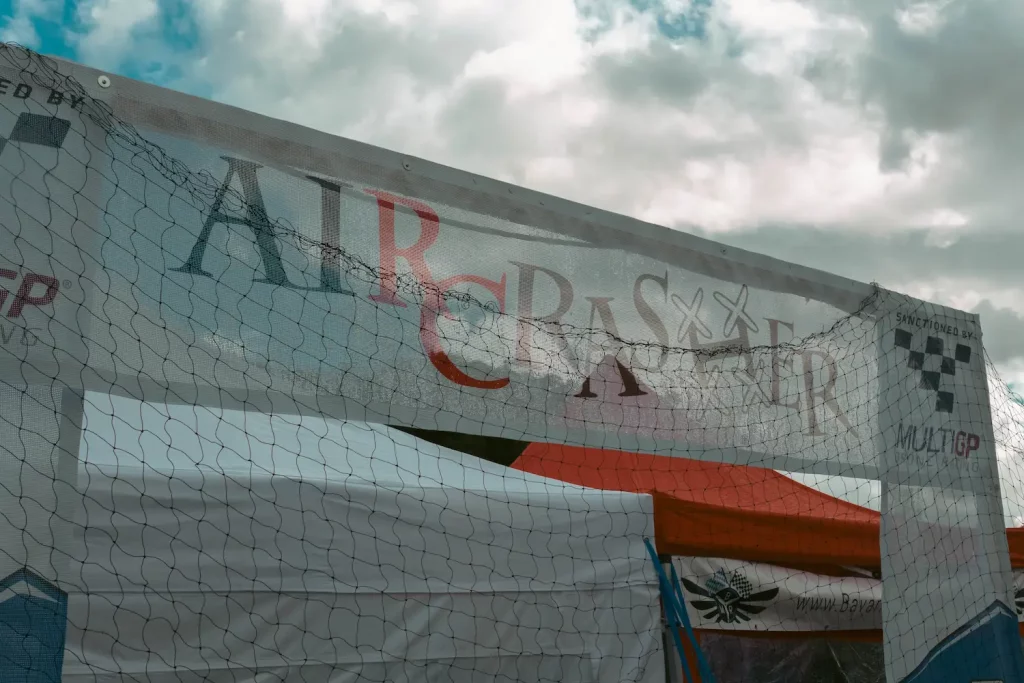
MultiGP Regional Series 2026 Details Released
Information on the 2026 Regional Series, including how to find local races.
MultiGP Regional Series 2026 Details Released
FPV Racing: Strategies, Top Pilots & Drone Tech Analysis
Beyond the blur of propellers and the roar of motors, FPV racing is a high-octane ballet of skill, strategy, and cutting-edge technology. It's a sport where milliseconds separate victory from defeat, and innovation is a constant pursuit. This isn't just about who crosses the finish line first; it's about the intricate dance of pilot and machine, the strategic brilliance behind every turn, and the relentless evolution of the drones themselves. Join us as we dive deep into the competitive landscape, analyzing the latest race strategies, spotlighting the top pilots, and dissecting the drone tech innovations driving the current FPV racing season.
The Global Arena: Major Leagues and Key Events
FPV racing has transcended its grassroots origins to become a globally recognized competitive sport, boasting professional leagues, international championships, and a burgeoning community of pilots.
Dominating the Circuit: DRL and MultiGP
At the forefront of professional FPV racing are two distinct yet equally influential organizations: the Drone Racing League (DRL) and MultiGP.
The DRL stands as the pinnacle of professional FPV racing, known for its high production value, custom-built "RacerX" drones, and intricate, often futuristic courses. DRL focuses on creating a spectacle for a broad audience, with events broadcast globally on major sports networks. Their races emphasize consistent performance under pressure, with pilots navigating complex, LED-lit tracks that demand precision and nerve. The DRL's approach has brought FPV racing to a mainstream audience, showcasing the sport's potential for high-octane entertainment.
In contrast, MultiGP champions the grassroots spirit of FPV racing. As the largest professional drone racing league in the world, MultiGP provides a standardized framework for local chapters, allowing pilots of all skill levels to compete. It's the proving ground where aspiring champions hone their skills and local communities thrive. MultiGP's events range from casual practice sessions to regional qualifiers and the highly anticipated MultiGP Global Championship, offering a clear pathway for pilots to advance from local hero to international competitor. The league's open-source approach to track design and equipment fosters innovation and accessibility, ensuring the sport's foundation remains strong and inclusive.
Championship Showdowns: High-Stakes Events and Results
The FPV racing calendar is punctuated by several high-stakes events where the world's best pilots converge to claim ultimate glory. The DRL World Championship is arguably the most prestigious, culminating a season of intense competition. Pilots battle through multiple heats, often facing new drone setups and challenging track layouts designed to push their limits. Recent seasons have seen incredible performances, with pilots like Alex Vanover and MinChan Kim consistently demonstrating unparalleled skill and strategic prowess.
Beyond DRL, events like the MultiGP Global Championship and various national championships (such as the FAI World Drone Racing Championship) provide platforms for pilots to make their mark. These events are crucial for identifying emerging talent and solidifying the reputations of seasoned veterans. The competition is fierce, with pilots meticulously analyzing track layouts, practicing countless hours in simulators, and fine-tuning their setups for every fractional advantage. The results from these championships not only crown new victors but also influence pilot rankings and sponsorship opportunities, shaping the competitive landscape for the following season.
Expanding Horizons: Regional Growth and Accessibility
The growth of FPV racing isn't confined to major leagues; it's a global phenomenon. Regional leagues and local clubs are springing up worldwide, from the bustling cities of Asia to the sprawling landscapes of Europe and North America. This expansion is vital for the sport's long-term health, making FPV racing more accessible to new enthusiasts.
Initiatives like MultiGP's chapter system empower local communities to organize their own races, fostering a strong sense of camaraderie and competition at the grassroots level. This accessibility is crucial for nurturing new talent and expanding the pilot base. Many national federations are also recognizing FPV racing as a legitimate air sport, leading to more structured competitions, better safety standards, and increased support. The ease of entry, thanks to readily available drone components and excellent flight simulators, means that anyone with enough dedication can pick up a transmitter and start their journey, contributing to the sport's vibrant and ever-growing global footprint.
Pilots in Focus: The Stars of FPV Racing
Behind every record-breaking lap and every nail-biting finish are the pilots – individuals with extraordinary reflexes, spatial awareness, and an unwavering will to win.
Legends of the Track: Current Champions and Veteran Pilots
The FPV racing scene is blessed with a roster of incredible talent. MinChan Kim (MCK), often hailed for his surgical precision and consistent performance, has dominated multiple DRL seasons, showcasing a unique ability to maintain speed through the most challenging sections. His smooth, calculated lines are a masterclass in efficiency. Alex Vanover (Vanover), another DRL champion, is known for his aggressive yet controlled style, often pushing the limits of speed and agility. His ability to recover from near-crashes and maintain composure under pressure is legendary.
Other veterans like Evan Turner (Headsup) and Luke Bannister (BanniUK) continue to be formidable competitors, adapting their styles to new technologies and evolving track designs. These pilots aren't just fast; they possess an intricate understanding of drone dynamics, flight controller tuning, and race strategy that comes only with years of experience. They are the benchmarks against whom new talent measures themselves, constantly pushing the boundaries of what's possible in FPV.
The Next Generation: Rising Stars and Breakthrough Performances
The beauty of FPV racing lies in its dynamic nature, where new talent can emerge rapidly. The accessibility of simulators like Velocidrone and DRL Simulator allows aspiring pilots to log thousands of hours of virtual flight time, honing their skills before even touching a real drone. This has led to a surge of young, incredibly fast pilots making breakthrough performances.
Keep an eye on pilots who consistently place high in MultiGP events or climb the ranks in DRL qualifiers. These rising stars often bring fresh perspectives and innovative lines to the track, challenging the established order. Their fearlessness, combined with the latest tech, often results in breathtaking, high-speed battles that keep spectators on the edge of their seats. The competitive ladder is steep, but dedicated practice and a willingness to learn from veterans are key ingredients for these future champions.
Mind Over Machine: The Psychology of a Champion Pilot
While technical skill and cutting-edge gear are vital, the mental game is often the deciding factor in FPV racing. The psychology of a champion pilot involves intense focus, resilience, and the ability to perform under immense pressure. Pilots must maintain a clear head, making split-second decisions at speeds exceeding 150 km/h, all while navigating complex courses and battling opponents.
- Focus and Concentration: Blocking out distractions, maintaining tunnel vision on the race line.
- Pressure Management: Handling the weight of expectations, especially in championship finals.
- Adaptability: Quickly adjusting to unexpected events like drone malfunctions, changing wind conditions, or an opponent's aggressive maneuver.
- Consistency: The ability to put down multiple flawless laps, not just one fast one.
- Strategic Thinking: Planning overtakes, conserving battery, and knowing when to push and when to hold back.
Many top pilots engage in mental preparation techniques, including visualization and mindfulness, to ensure they are in peak mental condition come race day. The ability to learn from mistakes, maintain a positive attitude, and stay motivated through grueling practice schedules truly separates the champions from the rest.
Innovation Unleashed: Cutting-Edge Racing Drone Technology
FPV racing is a hotbed of technological innovation. Manufacturers and pilots alike are constantly pushing the boundaries of what's possible, leading to drones that are faster, more agile, and more reliable than ever before.
Power and Agility: Advancements in Frames, Motors, and ESCs
The foundation of any racing drone is its frame. Modern racing frames, such as the Apex by ImpulseRC or the popular Source One V5 by Team BlackSheep, are meticulously designed using high-grade carbon fiber for an optimal balance of strength, stiffness, and minimal weight. Innovations include wider arms for vibration reduction, improved camera protection, and designs that centralize mass for better handling.
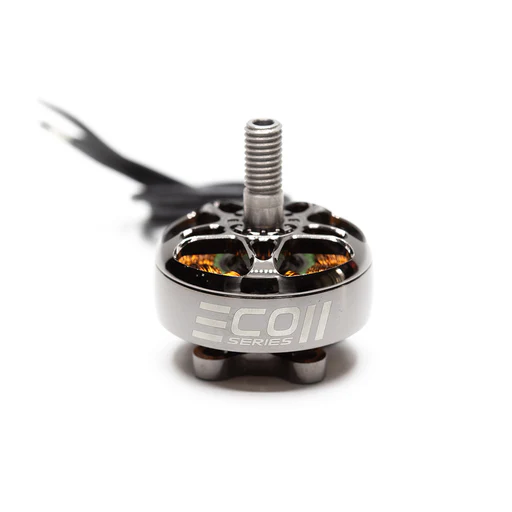
Motors are the heart of the beast. The trend continues towards high-KV (kilovolts per minute, indicating RPM per volt) motors, often paired with 6S LiPo batteries for explosive power. Examples include the T-Motor F60 Pro IV or BrotherHobby Returner R5 series, which offer incredible thrust-to-weight ratios. These motors feature advanced winding techniques, stronger magnets, and improved bearing quality for efficiency and durability.
Electronic Speed Controllers (ESCs) have also seen significant advancements. Modern 4-in-1 ESCs, integrating all four motor controllers onto a single board, simplify wiring and reduce weight. Firmware like BLHeli_32 allows for higher refresh rates, more precise motor control, and advanced features like RPM filtering, which significantly reduces motor noise and improves flight performance. The ability to handle higher amperage and dissipate heat efficiently is crucial for sustaining peak performance throughout a race.
Crystal Clear Vision: FPV Systems, Antennas, and Digital HD
The FPV system is the pilot's eyes. While analog systems (like those using a RunCam Phoenix 2 camera and a Team BlackSheep Unify Pro32 VTX) still offer minimal latency and are preferred by some for their raw responsiveness, digital HD FPV systems have revolutionized the racing experience.
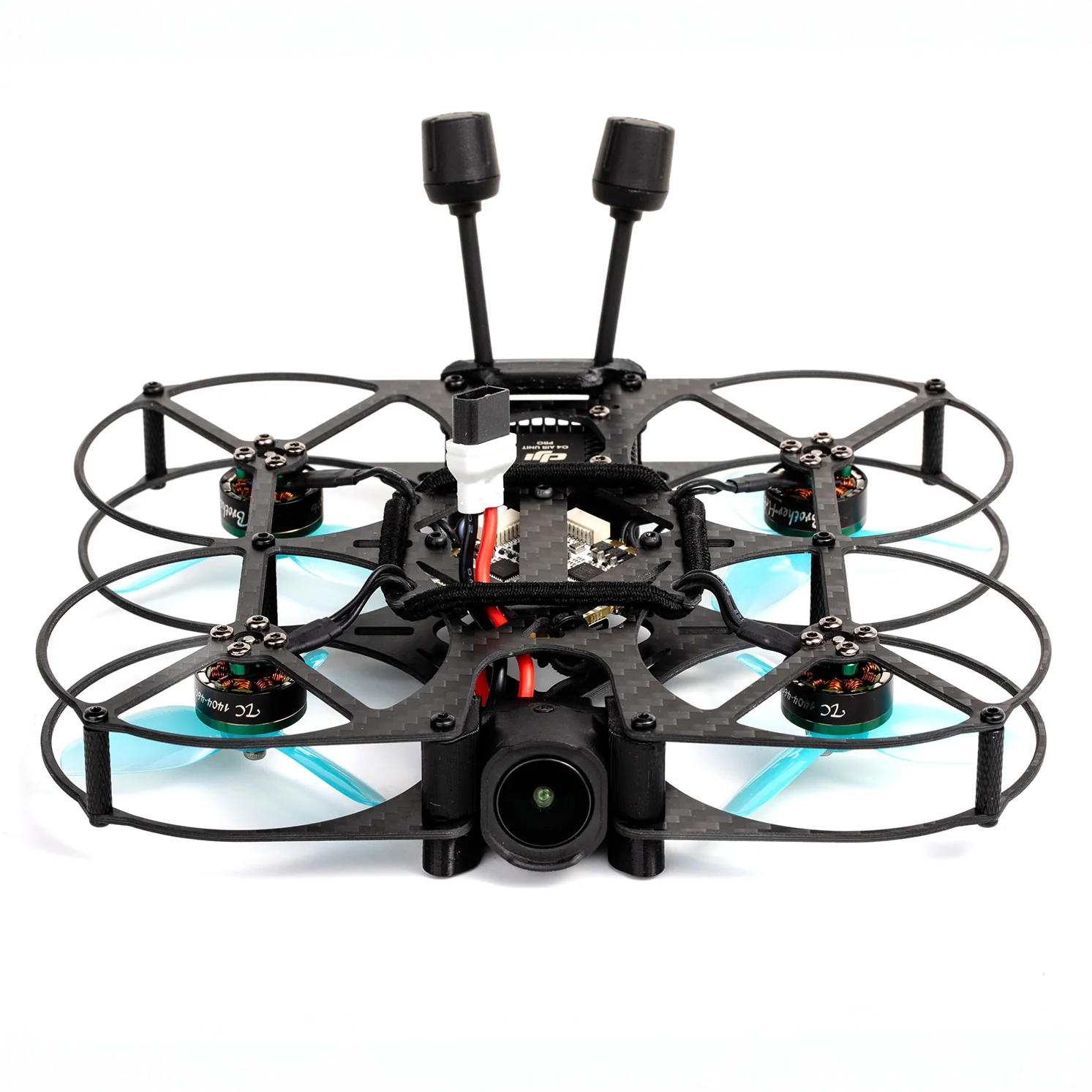
Systems like the DJI O3 Air Unit, Walksnail Avatar HD, and HDZero provide incredibly clear, high-definition video feeds with remarkably low latency, often comparable to high-end analog setups. The clarity allows pilots to see gates, track details, and even opponents with unprecedented detail, making line selection and strategic maneuvers more precise. The DJI O3 Air Unit, for example, offers stunning visual quality and robust signal transmission, albeit with a slightly larger footprint. HDZero is favored by many racers for its uncompromising focus on ultra-low latency, making it a strong contender for competitive flying.
The choice of antennas is also critical. High-quality circular polarized antennas like the Lumenier AXII or Foxeer Lollipop ensure a clean video signal, minimizing dropouts and interference, which is paramount for maintaining control at high speeds.
Optimizing Performance: Battery Tech and Flight Controller Tuning
Battery technology is another area of continuous improvement. High-discharge-rate LiPo batteries, such as the Tattu R-Line or GNB, are essential for providing the sustained current needed for aggressive maneuvers and rapid acceleration. The shift from 4S (14.8V) to 6S (22.2V) power systems has become standard for racing, offering more power and efficiency, albeit requiring more careful throttle management.
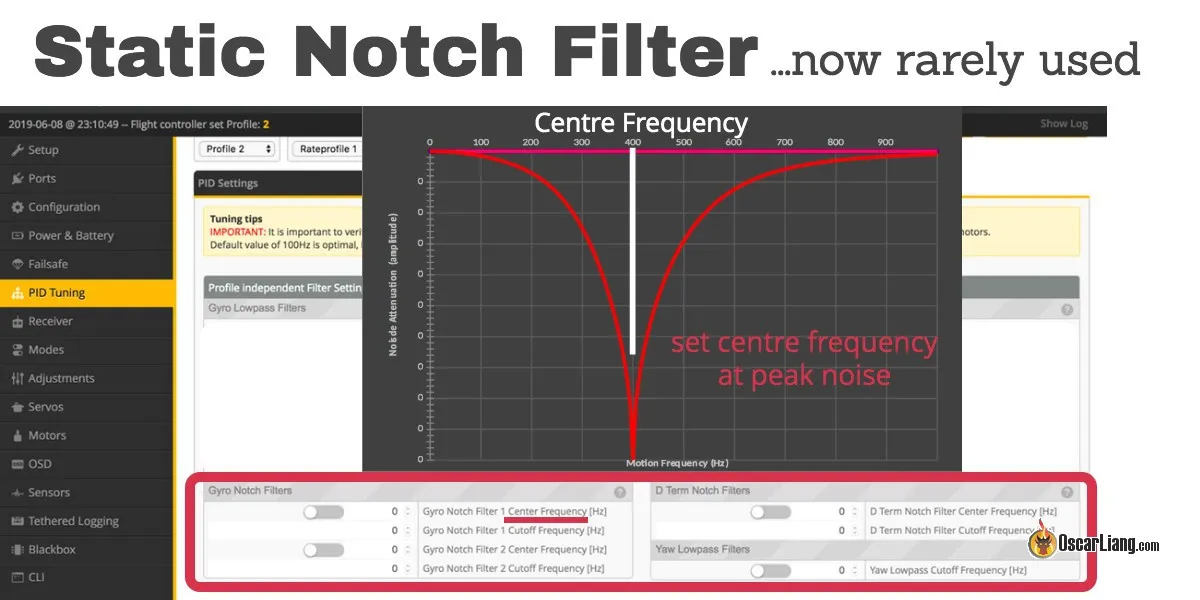
The flight controller (FC) is the brain of the drone, and its tuning is an art form. Modern FCs running Betaflight (the most popular firmware), Kiss, or ArduPilot offer an incredible array of parameters to adjust. Pilots spend countless hours meticulously tuning PID (Proportional-Integral-Derivative) values, filters, and rates to achieve the perfect balance of responsiveness, stability, and smoothness. Advanced features like RPM filtering and dynamic notch filters allow pilots to mitigate motor noise and vibrations, resulting in cleaner flight characteristics and reduced prop wash effects. A well-tuned drone feels like an extension of the pilot's will, responding instantly and predictably to every command.
Mastering the Course: Advanced Race Strategies and Techniques
Winning an FPV race isn't just about raw speed; it's a intricate blend of precise flying, strategic thinking, and adaptability.
The Perfect Line: Cornering, Gate Transitions, and Flow
The most fundamental aspect of FPV racing strategy is mastering the "perfect line." This involves finding the optimal path through the course to maximize speed and minimize distance.
- Cornering: Identifying the apex of each turn is crucial. Pilots aim to enter wide, hit the apex, and exit wide, maintaining momentum. Smooth throttle control is key to prevent scrubbing speed or drifting too wide.
- Gate Transitions: The approach and exit of each gate are critical. Pilots strive for smooth, efficient transitions, aligning their drone perfectly to pass through the gate with minimal deviation, setting themselves up for the next obstacle. A common technique is to "dive" into gates to maintain speed.
- Flow: The ultimate goal is to achieve a state of "flow" where the entire track feels like one continuous, fluid motion. This means anticipating upcoming gates, planning turns in advance, and linking all maneuvers seamlessly. Any jerky movements or sudden corrections indicate a break in flow and a loss of precious milliseconds. Practicing specific sections repeatedly, often in simulators, helps pilots internalize these lines.
Adaptive Racing: Weather, Track Conditions, and Opponent Analysis
No two races are exactly alike, and champions excel at adapting their strategy on the fly.
- Weather Conditions: Wind is the most significant factor. Strong headwinds require more throttle, while tailwinds demand throttle reduction to avoid overshooting. Rain, though rare in FPV racing due to electronics, can affect grip and visibility. Pilots must adjust their lines and throttle inputs to compensate for these external forces.
- Track Conditions: Even indoor tracks can vary. Uneven surfaces, different gate materials, or lighting changes can all impact how a pilot approaches the course. Learning the nuances of a new track quickly during practice laps is a vital skill.
- Opponent Analysis: Understanding your competitors' strengths and weaknesses is a powerful strategic tool. Is an opponent particularly fast on straights but struggles with tight turns? Do they tend to make mistakes under pressure? Pilots might choose to push hard early, conserve energy for a late overtake, or even strategically block an opponent to gain an advantage, though aggressive blocking is often frowned upon or penalized.
Beyond Raw Speed: Energy Management and Race Pace
While raw speed is exhilarating, sustained speed wins races. Energy management refers to how a pilot utilizes their battery's charge throughout the race. Going full throttle every second will drain the battery quickly, leading to "voltage sag" and reduced power in later laps.
- Throttle Discipline: Champions know when to apply maximum throttle and when to coast or apply just enough power to maintain momentum. This conserves battery life and allows for bursts of speed when needed most, such as during an overtake or a crucial final lap.
- Race Pace: Establishing a consistent, fast race pace is often more effective than sporadic bursts of extreme speed followed by mistakes. A pilot who can consistently hit near-perfect lines and maintain optimal throttle control across all laps will often outpace someone who is faster in short bursts but prone to errors. This balance requires immense discipline and an intimate understanding of their drone's performance envelope.
The Future Flight Path: What's Next for FPV Racing?
FPV racing is a young sport with immense potential. Its future promises even more technological marvels, broader appeal, and exciting new challenges.
Esports Integration: Simulators and Virtual Racing Leagues
The synergy between FPV racing and esports is undeniable. FPV simulators like Velocidrone, DRL Simulator, and Liftoff are not just training tools; they are platforms for competitive virtual racing. Virtual leagues are gaining traction, allowing pilots to compete globally from their homes, breaking down geographical barriers and making the sport accessible to millions.
This integration brings with it the vast infrastructure of the esports world: professional teams, large prize pools, dedicated streaming platforms, and a massive global audience. The ability to practice and compete virtually also lowers the barrier to entry, fostering a larger talent pool and potentially leading to hybrid events where virtual champions compete against real-world pilots. The future likely holds more sophisticated simulators, even more realistic physics engines, and a seamless transition between virtual and physical racing environments.
Autonomous Challenges: AI's Role and the Human Element
The rise of artificial intelligence (AI) presents both a fascinating challenge and a potential new dimension for FPV racing. AI-powered autonomous drones are already capable of navigating complex courses at incredible speeds, as demonstrated in events like the DARPA Subterranean Challenge. This raises intriguing questions:
- Could AI drones eventually outpace human pilots?
- Will there be races pitting human pilots against AI drones?
- How will human pilots adapt their strategies when competing against perfectly optimized machines?
While AI could push the boundaries of what's physically possible for a drone, the human element – the intuition, adaptability, and sheer thrill of controlling a machine at its limit – will always remain central to the sport's appeal. The future might see categories for both human and autonomous racing, or even collaborative challenges where humans and AI work together.
Sustainable Growth: Community, Sponsorships, and Media Coverage
For FPV racing to reach its full potential, sustainable growth is paramount. This hinges on several key factors:
- Community Engagement: Continued investment in grassroots initiatives, local clubs, and accessible events will ensure a steady influx of new pilots and enthusiasts.
- Sponsorships: As the sport gains more visibility, attracting major sponsors will provide the financial backing for larger prize pools, better event production, and professional pilot salaries. Companies outside the FPV industry are increasingly recognizing the marketing potential of this high-tech, high-energy sport.
- Media Coverage: Expanding reach through traditional and digital media will introduce FPV racing to new audiences. High-quality broadcasts, engaging documentaries, and strong social media presence are crucial for building a global fanbase. Leagues like DRL have already paved the way, and continued innovation in how races are presented will be key.
The future of FPV racing is bright, promising a thrilling blend of human skill and technological marvel, pushing the boundaries of speed, precision, and entertainment.
Frequently Asked Questions About FPV Racing
How can I find the latest FPV racing results and standings?
The latest FPV racing results and standings are typically published on the official websites of major leagues like DRL (Drone Racing League) and MultiGP, as well as dedicated FPV news portals and community forums. Following top pilots and race organizers on social media is also an excellent way to stay updated.
When and where are the next major FPV drone racing events?
Information on upcoming major FPV drone racing events can be found on the event calendars of DRL, MultiGP, and other regional racing organizations. Many events are announced months in advance, with details on locations, dates, and registration often available on their respective websites and social media channels.
Who are some of the top FPV pilots to watch in the current season?
While top pilots can vary by league and region, perennial favorites and rising stars often include names like MinChan Kim, Alex Vanover, Evan Turner, and Luke Bannister. Keep an eye on the leaderboards of major championships and follow FPV news outlets for features on emerging talent.
What new drone technology or strategies are dominating FPV races?
Recent innovations include lighter, more durable carbon fiber frames, high-efficiency motors, advanced flight controllers with sophisticated tuning capabilities, and the widespread adoption of digital HD FPV systems for clearer pilot vision. Strategically, pilots are focusing on dynamic line management, energy conservation, and adapting their flying style to specific track layouts and conditions.
How are FPV racing leagues evolving or expanding globally?
FPV racing leagues are evolving through increased professionalization, larger prize pools, and enhanced media production for broadcasts. Global expansion is driven by grassroots community growth, the establishment of national and international championships, and partnerships that bring the sport to new audiences and regions, particularly in Asia and Europe.
Conclusion
FPV racing is more than just a sport; it's a vibrant ecosystem of innovation, skill, and passion. From the strategic brilliance of its top pilots to the relentless advancements in drone technology, the competitive landscape is constantly shifting and evolving. As we look to the future, the integration of esports, the pursuit of autonomous challenges, and the continued growth of its global community promise an even more exhilarating ride. The skies are calling, and the race is far from over.
What are your predictions for the next FPV racing season? Share your thoughts, favorite pilots, or groundbreaking tech in the comments below, and stay tuned for more in-depth FPV analysis!
Copyright-safe media generated locally by FPVLovers