MultiGP CDRA 2026 Season Rules Overview
A comprehensive summary of the official rules for the MultiGP Collegiate Drone Racing Association (CDRA) 2026 season, covering track setup, drone specifications, team structure, scoring, and championship qualification.
MultiGP CDRA 2026 Season Rules Overview
Zero to Race Day: Your Comprehensive Roadmap to FPV Racing Glory
Ready to feel the adrenaline surge as you weave through gates at breakneck speeds, an immersive, first-person view putting you right in the cockpit? Welcome to the electrifying world of FPV racing! This isn't just flying drones; it's a high-skill, high-speed sport that combines precision piloting, technical know-how, and a vibrant, supportive community.
At fpvlovers.com.tr, we're passionate about helping new pilots discover the thrill of FPV. This comprehensive guide is your "Zero to Race Day" roadmap, meticulously designed to take absolute beginners from curious observer to confident FPV racer. We'll cover everything from selecting your first drone to mastering simulator drills and eventually, lining up at your first real race.
Introduction: Ready to Race? Your FPV Journey Starts Now!
Welcome to the High-Octane World of FPV Racing
FPV (First Person View) racing is an exhilarating sport where pilots navigate custom-built, high-performance drones through complex 3D courses. Wearing FPV goggles, you experience the flight as if you were sitting inside the drone itself, offering an unparalleled sense of speed and immersion. It's a challenging, rewarding hobby that pushes your reflexes, spatial awareness, and technical skills to their limits.
Why FPV Racing Will Electrify Your Senses
Beyond the sheer thrill of speed, FPV racing offers a unique blend of benefits:
- Unmatched Immersion: The FPV goggles create an experience unlike any other drone flying.
- Skill Development: It sharpens your hand-eye coordination, problem-solving, and quick decision-making.
- Technical Mastery: You'll learn about electronics, aerodynamics, and drone tuning.
- Community: FPV is a social sport with passionate pilots eager to share knowledge and race together.
- Adrenaline Rush: There's nothing quite like the feeling of nailing a difficult gate or overtaking an opponent.
Your 'Zero to Race Day' Roadmap: What This Guide Covers
This guide is structured to provide a clear, step-by-step path:
- Gearing Up: Understanding and selecting your essential FPV equipment.
- Master the Controls: Leveraging simulators to build foundational skills.
- From Simulator to Sky: Your first real-world flights and basic maneuvers.
- Beyond the Basics: Preparing for races, maintenance, and joining the community.
- FPV Racing FAQs: Answering common beginner questions.
Let's dive in and start your FPV racing journey!
Gearing Up: Essential Equipment for Aspiring FPV Pilots
Starting FPV racing requires a few key pieces of equipment. Don't be overwhelmed; we'll break down each component.
Choosing Your First FPV Drone: RTF, BNF, or DIY?
Your FPV drone is the star of the show. For beginners, the choice often boils down to three categories:
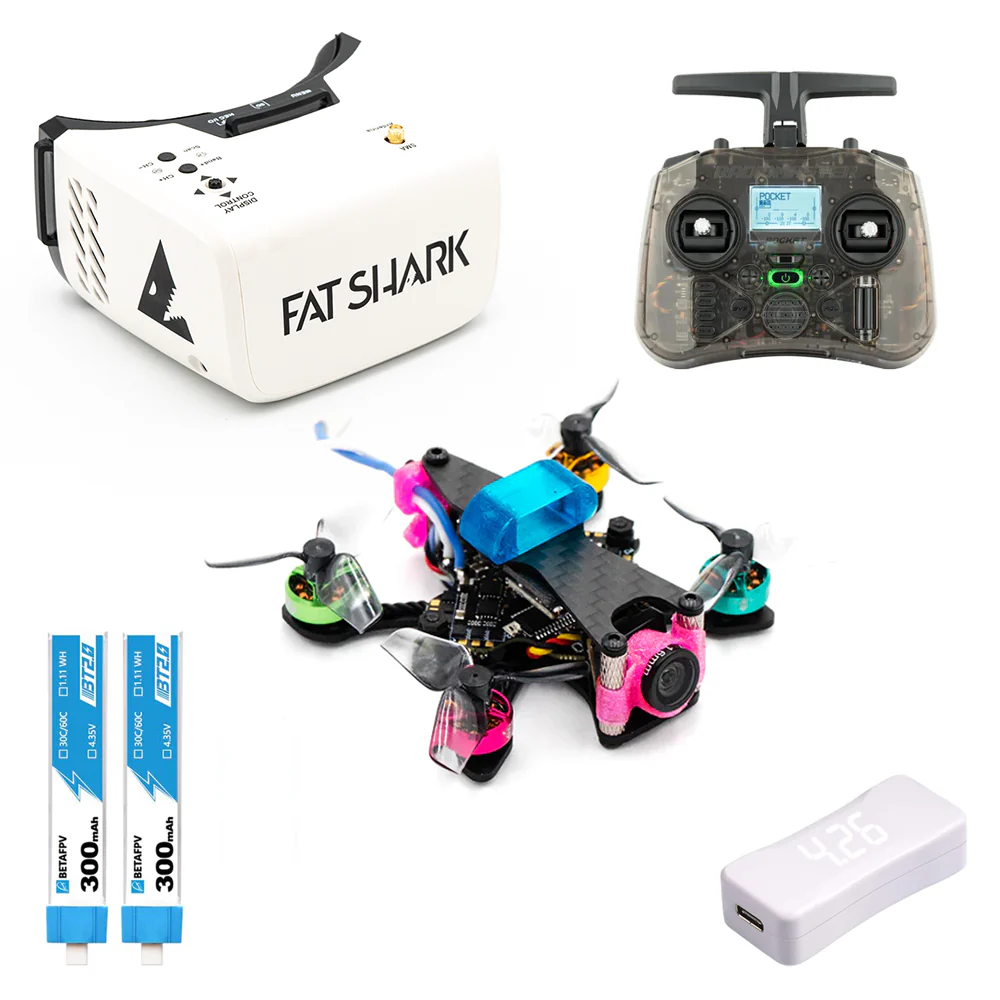
- RTF (Ready-To-Fly) Kits: These are complete packages that include a drone, goggles, and a radio transmitter, pre-bound and ready to fly (after charging batteries). They are the easiest entry point, offering convenience and compatibility.
- Pros: Easiest setup, often more affordable initially.
- Cons: Limited upgradeability, components might not be top-tier.
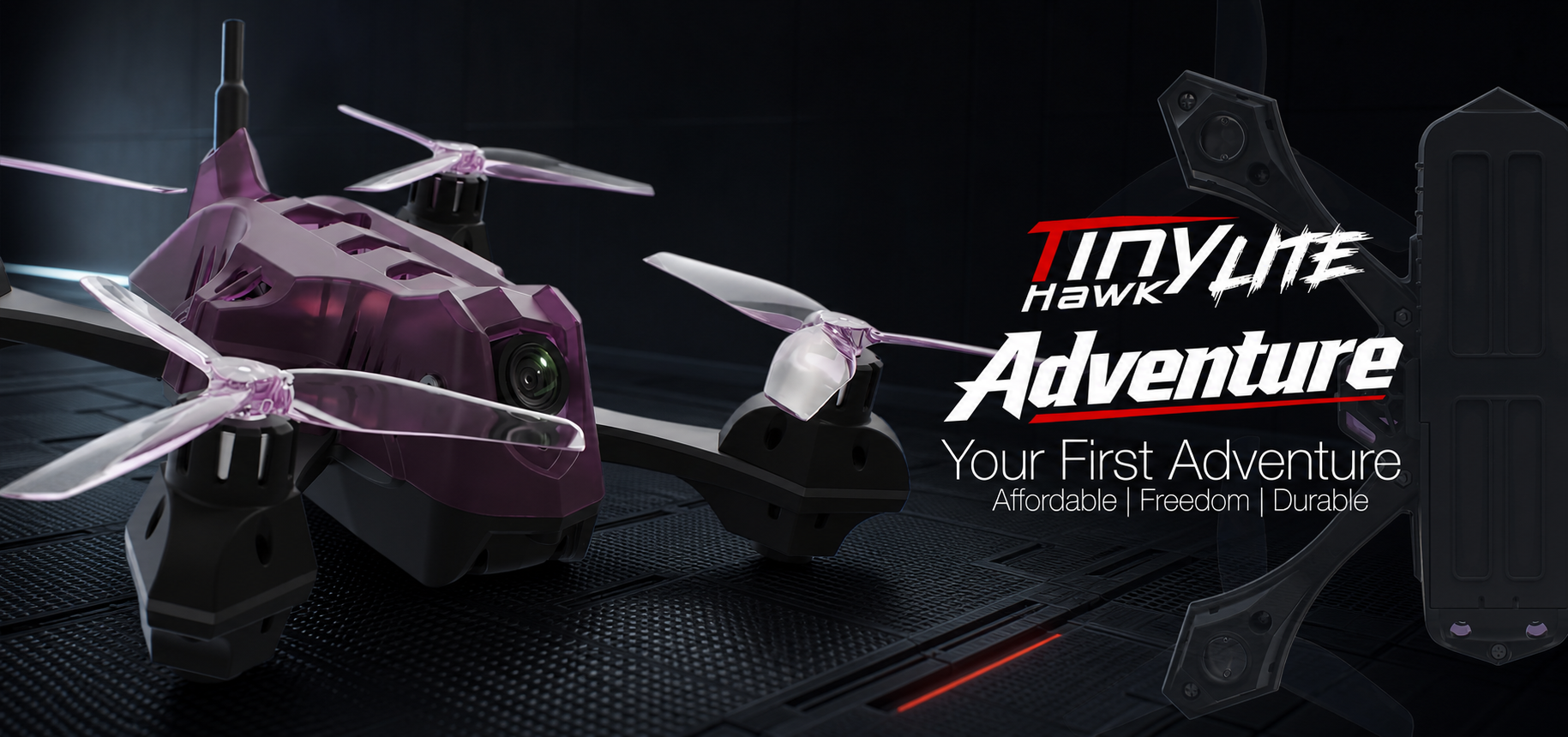
- Recommendation: Excellent for absolute beginners. Look for kits like the BetaFPV Cetus X Kit or Tinyhawk III RTF Kit. These often feature Tiny Whoop style drones, perfect for indoor practice or small outdoor spaces.
- BNF (Bind-N-Fly) Drones: These drones come fully assembled but require you to supply your own compatible radio transmitter and sometimes goggles. They are pre-tuned and ready to bind to your radio.
- Pros: More flexibility in choosing your preferred radio and goggles, often higher quality components than RTF kits.
- Cons: Requires separate purchase of radio/goggles.
- Recommendation: A good step up after an RTF, or if you've already invested in a good radio. Many Toothpick FPV drones or smaller 2.5-3.5 inch racing drones are available as BNF.
- DIY (Do-It-Yourself) Builds: This involves buying individual components (frame, motors, ESCs, flight controller, camera, VTX, receiver) and assembling the drone yourself.
- Pros: Deep understanding of your drone, complete customization, often better performance for the price.
- Cons: Steep learning curve, requires soldering skills and significant troubleshooting.
- Recommendation: Not for absolute beginners. Save this for when you have some flying experience and a desire to delve deeper into the technical aspects. This is typically how pilots build 5-inch racing FPV drones.
Practical Tip: For racing, most serious pilots eventually move to 5-inch racing FPV drones for outdoor tracks due to their power, speed, and durability. However, starting with a Tiny Whoop or a smaller 2-3 inch drone (often called a Toothpick) is highly recommended for learning the basics in a safer, less intimidating environment.
The Goggles: Your Immersive Window to the Race
FPV goggles are crucial for the immersive experience. They receive the video feed from your drone's camera.
- Analog vs. Digital:
- Analog: More affordable, wider compatibility, lower latency, but lower resolution and more prone to interference (static). Brands like Fat Shark and Skyzone are popular.
- Digital: Higher resolution, clearer image, better penetration, but higher cost, potentially higher latency (though improving rapidly), and fewer compatible drones (mainly DJI Digital FPV System, Walksnail Avatar, HDZero).
- Recommendation: If budget is a concern, good analog goggles are still excellent for starting. However, digital systems like DJI FPV Goggles V2/Goggles 2/Goggles Integra or Walksnail Avatar HD Goggles offer a vastly superior image quality that many find worth the investment. Many beginners start with box goggles (e.g., Eachine EV800D) due to their low cost, but they are bulkier.
The Radio Transmitter: Your Command Center for Precision Control
Your radio transmitter (TX) is how you control the drone. It's an investment that will likely outlast several drones.
- Protocols: Ensure your radio supports the receiver protocol on your drone (e.g., ELRS, Crossfire, FrSky, Spektrum). ELRS (ExpressLRS) is highly recommended for its range, low latency, and open-source nature, quickly becoming the standard.
- Gimbals: Hall effect gimbals are preferred for their precision and durability over potentiometer gimbals.
- Form Factor: Choose between gamepad-style (e.g., Radiomaster Zorro, BetaFPV LiteRadio 3) or box-style (e.g., Radiomaster TX16S Mark II, Jumper T-Pro V2).
- Recommendation: A versatile radio like the Radiomaster Zorro or Radiomaster TX16S Mark II with an internal ELRS module is an excellent choice for beginners and experienced pilots alike, offering broad compatibility and future-proofing.
Powering Up: Batteries, Chargers, and Must-Have Accessories
- LiPo Batteries: FPV drones use Lithium Polymer (LiPo) batteries. They are powerful but require careful handling. Understand their voltage (e.g., 1S, 2S, 4S, 6S) and capacity (mAh). For a 5-inch racing drone, you'll typically use 4S or 6S LiPos. For Tiny Whoops, 1S LiPos are common.
- Charger: A good balance charger (e.g., ISDT Q6 Nano, ToolkitRC M4AC) is essential for safely charging and maintaining your LiPo batteries. Always balance charge.
- Power Supply: Most chargers require a separate DC power supply.
- Must-Have Accessories:
- Propeller Tool: For changing props.
- Spare Propellers: You will break props frequently! Buy many.
- LiPo Safe Bag: For safe storage and charging of batteries.
- Basic Tool Kit: Small screwdrivers, Allen keys.
- Battery Voltage Checker/Alarm: To monitor battery health.
Safety First: LiPo batteries can be dangerous if mishandled. Always charge them in a fireproof area, never leave them unattended while charging, and store them in a LiPo safe bag.
Master the Controls: Simulator Training is Your Best Friend
Before you even think about putting a real drone in the air, you MUST spend significant time on a simulator. This is the single most important piece of advice for any aspiring FPV pilot.
Why Simulators Are Non-Negotiable for Beginners
- Zero Risk, Zero Cost: Crash as many times as you want without damaging expensive equipment or injuring yourself.
- Build Muscle Memory: Develop the nuanced stick movements needed for precise control.
- Learn Without Pressure: Experiment with different maneuvers and flight modes in a stress-free environment.
- Save Money: Sim time directly translates to less crashed drones and fewer replacement parts.
Top FPV Simulators to Kickstart Your Skills
Connect your FPV radio transmitter to your computer via USB, and it will act as a game controller.
- VelociDrone: Widely regarded as one of the most realistic FPV simulators, especially for racing. Excellent physics and a wide range of tracks.
- Liftoff: Another fantastic simulator with great graphics, a good variety of drones, and a strong community. Offers a more "game-like" experience while still being realistic.
- DRL Simulator (Drone Racing League): Focuses specifically on racing and often features official DRL tracks. Great for competitive practice.
- Uncrashed: Known for its stunning graphics and open-world environments, alongside challenging race tracks.
- Tiny Whoop GO: A free simulator specifically for Tiny Whoops, great for practicing indoor flight.
Practical Tip: Most simulators offer a free demo. Try a few to see which one you prefer, but be prepared to invest in one or two for serious practice.
Effective Drills to Build Muscle Memory and Confidence
Start with these fundamental drills:
- Hovering: Practice holding a steady altitude and position.
- Figure Eights: Learn smooth turns and throttle control.
- Gate Practice (Slow): Start with large, easy gates, flying through them slowly and deliberately. Focus on smooth lines.
- Power Loops & Rolls (Advanced): Once comfortable with basic flight, gradually introduce acrobatic maneuvers.
- Race Track Laps (Slow): Fly complete laps of a track at a very slow pace, focusing on hitting all gates cleanly. Speed comes later.
Consistency is Key: Aim for at least 30 minutes of simulator practice daily. Treat it like a musical instrument – regular, focused practice yields the best results.
From Simulator to Sky: Your First Real Flights
The transition from simulator to real life can be daunting, but with proper preparation and patience, it will be exhilarating.
Initial Setup: Binding, Basic Settings, and Pre-Flight Checks
- Binding: Connect your drone's receiver to your radio transmitter. Consult your drone and radio manuals for specific instructions.
- Betaflight Configuration (for advanced users/BNF drones): This is the firmware that runs your drone's flight controller.
- Connect to Betaflight Configurator: Plug your drone into your computer via USB.
- Check Receiver Tab: Ensure your radio stick inputs (roll, pitch, yaw, throttle) are registering correctly.
- Modes Tab: Set up arming switch, flight modes (Angle, Acro), and possibly a beeper. Always start in Angle Mode for stability, then transition to Acro Mode as you gain confidence (Acro is essential for racing).
- Motor Direction: Verify motors spin in the correct direction (props off!).
- Fail-safe: Configure fail-safe to cut motors if radio signal is lost.
- Pre-Flight Checks (Every Time!):
- Props: Are they on correctly and tightened? Are they damaged?
- Battery: Fully charged? Secured to the drone?
- Antennas: Are both VTX and receiver antennas properly connected and positioned?
- Goggles: Clear image? Correct channel?
- Arming: Test arming with props off first.
Practical Tip: Watch YouTube tutorials specific to your drone and radio for binding and Betaflight setup. Joshua Bardwell and Oscar Liang are excellent resources.
Safe First Flights: Finding Your Space and Taking Off
- Choose Your Location Wisely: Find a large, open area away from people, animals, cars, and obstacles. A large grassy field is ideal. Avoid flying near water or trees initially.
- First Takeoff:
- Place the drone on a flat, level surface.
- Put on your goggles.
- Arm the drone (ensure your arming switch is set correctly).
- Slowly increase throttle until the drone lifts off gently. Don't punch the throttle!
- Focus on maintaining a stable hover a few feet off the ground.
Learning the Ropes: Hovering, Basic Turns, and Gate Practice
- Hovering Practice: Spend time simply hovering, getting a feel for the throttle and minor stick corrections to maintain position.
- Gentle Translations: Slowly move the drone forward, backward, left, and right.
- Basic Turns: Practice wide, sweeping turns. Focus on coordinating roll (tilting) and yaw (rotating) for smooth turns.
- Gate Practice (Real World): Once comfortable, set up simple gates (hula hoops, cones, even just sticks in the ground) and practice flying through them in Angle Mode. Gradually transition to Acro Mode.
Practical Tip: Keep your first flights short. Land before your battery is critically low. If you feel overwhelmed, land and take a break. Don't be afraid to crash – it's part of the learning process!
Beyond the Basics: Preparing for Race Day and Community
Once you're comfortable flying, the next step is to prepare for the competitive side of FPV racing and connect with other pilots.
Understanding Race Formats and Basic Strategies
- Race Formats: Most FPV races involve multiple heats, often with a "qualifying" round to determine seeding, followed by "elimination" or "double-elimination" brackets. The goal is usually to complete a set number of laps through a defined course faster than your competitors.
- Basic Strategies:
- Smoothness over Speed: Especially as a beginner, smooth, consistent lines through the gates will often yield faster times than aggressive, sloppy flying.
- Line Choice: Look for the shortest, most efficient path through the course.
- Throttle Management: Learn to manage your throttle to maintain momentum and control, rather than just full throttle everywhere.
- Practice Starts: A good start can give you a significant advantage.
Joining the FPV Community: Clubs, Events, and Mentors
- Local FPV Clubs: Search online for FPV clubs or groups in your area. Facebook groups, local hobby shop bulletin boards, and FPV forums are great places to start.
- FPV Events: Attend local meetups, casual races, or even larger regional events. Even if you're not racing, observing and talking to experienced pilots is invaluable.
- Online Communities: Websites like fpvlovers.com.tr, Reddit (r/fpv), and various Discord servers are hubs of FPV knowledge and camaraderie.
- Mentors: Don't be afraid to ask for help! Most FPV pilots are incredibly welcoming and eager to share their knowledge with newcomers. A mentor can accelerate your learning significantly.
Practical Tip: Show up to a local FPV meet even if you don't fly. Introduce yourself, ask questions, and observe. You'll learn a ton!
Drone Maintenance and Troubleshooting Essentials
FPV racing drones take a beating. Learning basic maintenance and troubleshooting is critical.
- Post-Crash Checks: After every crash, inspect your props, motors (for bent shafts or loose bells), frame (for cracks), and all wiring connections.
- Loose Screws: Vibrations can loosen screws. Regularly check motor screws and frame bolts.
- Soldering Skills: Learning to solder is immensely helpful for replacing motors, ESCs, or other components.
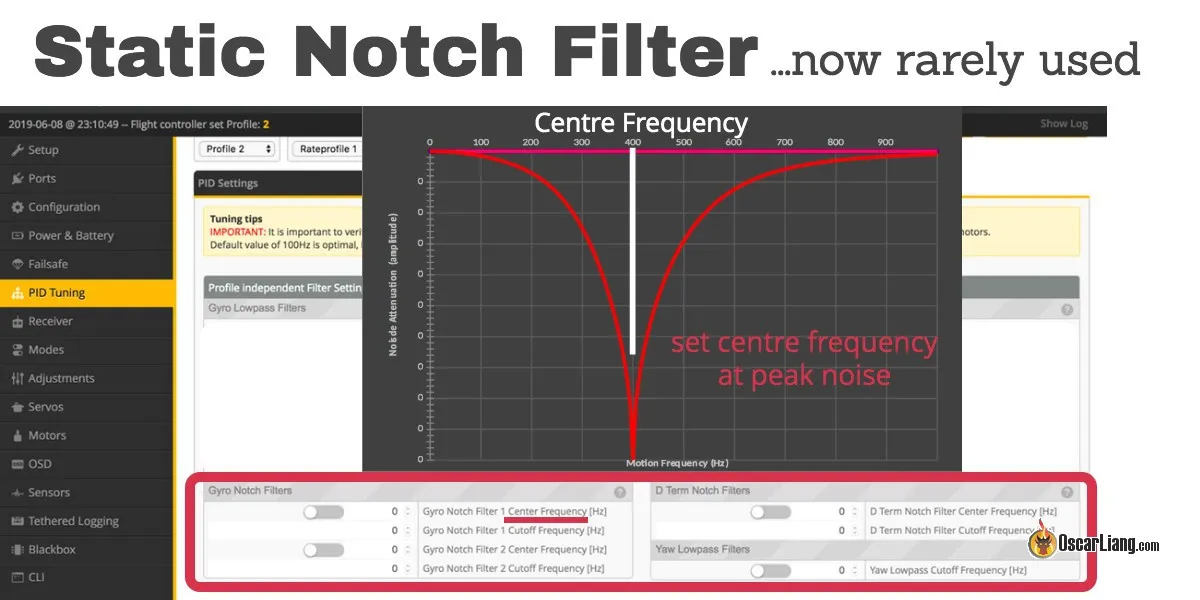
- Betaflight Blackbox: If your drone has a blackbox (logging), learning to analyze its data can help diagnose flight issues.
- Common Issues:
- "Wobbles" or Oscillations: Often a sign of incorrect PID tuning (advanced), bent prop, or loose motor.
- Lost Video Feed: Check VTX antenna, VTX power, and camera connection.
- Motor Not Spinning: Check motor wires, ESC, and motor itself.
Practical Tip: Always carry spare parts, especially props, zip ties, and a small soldering iron (if you're comfortable using one).
FPV Racing FAQs for Beginners
How much does it cost to start FPV racing?
The cost can vary significantly.
- Entry-level RTF Kits: Around $200-$400 (e.g., Tinyhawk III RTF Kit). This gets you flying but has limited upgrade potential.
- Mid-range BNF + separate Radio/Goggles: $500-$1000. A good radio (e.g., Radiomaster Zorro: $100-$150), decent analog goggles (e.g., Eachine EV800D: $80-$120 or Fat Shark Recon: $200-$300), and a BNF drone (e.g., a 3.5-inch or 5-inch: $200-$400). Plus batteries and charger ($100-$200).
- High-end Digital FPV: $1000+. DJI Goggles ($350-$600), a good radio, and a high-performance 5-inch racing drone can quickly add up.
- Simulators: $20-$40 (one-time purchase).
Expect an initial investment of $300-$700 for a decent beginner setup that you can grow with. Remember, ongoing costs include spare parts (props are consumed rapidly!) and more batteries.
Is FPV racing difficult to learn, and how long does it take?
Yes, FPV racing is challenging to learn, but incredibly rewarding. It requires significant hand-eye coordination, spatial awareness, and muscle memory.
- Learning Curve: Expect a steep initial learning curve. The first few hours in the simulator will feel frustrating.
- Time Commitment: With consistent simulator practice (30-60 minutes daily) and regular real-world flights, most dedicated beginners can become proficient in basic flight and race track navigation within 3-6 months. To become truly competitive can take a year or more.
- Key is Patience & Persistence: Don't get discouraged by crashes or slow progress. Every pilot started where you are.
What's the best beginner FPV drone or setup to buy?
For an absolute beginner, an RTF Tiny Whoop kit (like the Tinyhawk III RTF Kit or BetaFPV Cetus X Kit) is highly recommended. It's safe, affordable, and allows you to learn in smaller spaces.
Once you've mastered the basics on a Whoop:
- Radio: Invest in a good, versatile radio like the Radiomaster Zorro or TX16S with ELRS.
- Goggles: Decide between a mid-range analog (e.g., Fat Shark Recon) or saving up for a digital system (e.g., DJI Goggles).
- Drone: A 3-inch or 3.5-inch Toothpick or Cinewhoop drone can be a fun next step for outdoor cruising and light freestyle, while a 5-inch racing drone is the ultimate goal for competitive racing. Many pilots build their first 5-inch drone from a BNF kit or by selecting components.
Where can I find FPV racing events or local communities?
- Facebook Groups: Search for "FPV [Your City/Region]" or "Drone Racing [Your City/Region]".
- MultiGP.com: This is a major FPV racing organization with chapters worldwide. Their website lists local chapters and upcoming races.
- Local Hobby Shops: Often have bulletin boards or staff who know about local FPV groups.
- Drone-Specific Forums & Discord Servers: Ask in general FPV communities if there are local groups.
- YouTube: Search for local FPV channels; they might mention meetups.
Conclusion: Your FPV Racing Adventure Awaits!
Recap: Your Path from Zero to Race Day
You've learned that the journey to FPV racing success involves strategic equipment choices, dedicated simulator practice, cautious first flights, and active community engagement. From choosing your first Tiny Whoop or 5-inch racing drone to mastering Betaflight and race strategies, every step is crucial.
Embrace the Learning Curve and Enjoy the Ride
FPV racing is a challenging but incredibly rewarding hobby. There will be crashes, frustrations, and moments when you feel like giving up. But with persistence, patience, and the support of the FPV community, you will overcome these hurdles. The feeling of nailing a difficult gate, completing a clean lap, or seeing your skills improve is truly unmatched.
Call to Action: Start Your FPV Racing Journey Today!
Don't wait! The world of FPV racing is exciting, dynamic, and welcoming. Grab a simulator, connect your radio, and start practicing. Visit fpvlovers.com.tr for more guides, product reviews, and to connect with fellow FPV enthusiasts. Your high-octane adventure begins now! See you on the track!
Copyright-safe media generated locally by FPVLovers