MultiGP 2026 Season Preview: International Open and Key Series Dates
Highlight upcoming major events and the launch of 2026 racing series.
MultiGP 2026 Season Preview: International Open and Key Series Dates
FPV Racing: The Pilot's Eye View – Unpacking Speed, Strategy, and Cutting-Edge Tech
The roar of tiny motors, the blur of a quadcopter pushing the limits of physics, and the heart-pounding first-person view through the goggles – FPV racing is a sport defined by speed, skill, and relentless innovation. It's a world where milliseconds separate victory from defeat, and pilots become one with their machines. Welcome to the 'Pilot's Eye View' news hub, where we don't just report on who won, but delve into how they won, the cutting-edge tech that made it possible, and the human stories behind the goggles. Strap in, because the FPV racing scene is moving faster than ever, and we're here to bring you every twist, turn, and triumph.
The Thrill of the Chase: Latest FPV Racing Highlights
The FPV racing calendar is a whirlwind of high-octane events, from global championships to local showdowns. Each race tells a story of intense competition, strategic brilliance, and often, nail-biting finishes.
Championship Showdowns: Who Dominated the Track?
Recent major events have once again showcased the incredible talent pool within FPV racing. While specific event schedules and winners are constantly evolving, the narrative often remains consistent: veteran pilots leveraging years of experience against hungry newcomers pushing the boundaries.
Take, for instance, a hypothetical Drone Racing League (DRL) Championship finale. We'd likely see the likes of Alex Vanover (BNOx) or Evan Turner (Headsup) battling it out. Their dominance isn't just about raw speed; it's about unparalleled consistency, precise gate entry and exit, and an uncanny ability to read the track. A pilot like MinChan Kim (MCK), known for his incredibly smooth yet aggressive lines, might demonstrate a masterclass in maintaining momentum through complex gate sequences, minimizing throttle changes and maximizing efficiency. The margin of victory in these championships can often be less than a tenth of a second, a testament to the hyper-competitive nature of the sport.
Unforgettable Moments: Close Calls and Record-Breaking Runs
FPV racing is a sport tailor-made for highlight reels. We've witnessed countless moments that leave spectators breathless. Think of a final lap where two drones are neck-and-neck, scraping gates, and crossing the finish line in a photo finish, the victor decided only after a frame-by-frame review.
Record-breaking runs are equally electrifying. A pilot might find an entirely new line, shaving off crucial milliseconds from the previous best time. These moments aren't just about speed; they're about pushing the limits of what's physically possible, often requiring a daring move or a perfectly executed "gap" through a tight obstacle. The collective gasp from the crowd when a pilot pulls off an impossible recovery from a near-crash, only to continue the race unfazed, perfectly encapsulates the high-stakes drama of drone racing.
Regional Rundown: Emerging Talents and Local Victories
While the DRL and MultiGP championships grab headlines, the heart of FPV racing beats strongly at the local level. MultiGP chapters across the globe host weekly or monthly races, providing a vital proving ground for emerging talents. These local drone racing events are where future champions hone their skills, test new racing drone technology, and build invaluable track experience.
We often see pilots who dominate their local circuits eventually rise to national and international prominence. These smaller events are crucial for nurturing the next generation of FPV pilots, offering a supportive community where knowledge is shared, and friendly competition thrives. Keep an eye on your local MultiGP results – you might just spot the next big name in drone racing!
Beyond the Goggles: Pilot Strategies & Insights
Winning in FPV racing isn't just about having the fastest quad; it's about the pilot's skill, mental fortitude, and strategic execution.
Masterclass in Flight: Analyzing Top Pilots' Techniques
Top FPV pilots display a level of precision and control that borders on artistry. Their techniques are a masterclass in physics and intuition. One key aspect is throttle management. Instead of constantly jamming the throttle, champions use smooth, deliberate inputs, modulating power to maintain momentum rather than relying on bursts of acceleration and braking. This conserves battery, reduces prop wash, and allows for incredibly clean lines.
Cornering strategy is another critical differentiator. Some pilots prefer a wider, sweeping arc to maintain speed, while others opt for aggressive, tight turns, almost "cutting" the gate to minimize travel distance. The choice often depends on the track layout and the pilot's quad setup. Mastering the "apex" of a turn, or even "drifting" the quad through a gate, are advanced techniques that separate the good from the great.
Practical Tip: Don't just fly fast; fly smooth. Practice consistent throttle control and try to visualize your lines before you even take off. Simulators like Velocidrone or the DRL Simulator are invaluable for this, allowing you to practice thousands of laps without breaking a single prop.
The Mental Game: How Champions Prepare and Perform Under Pressure
FPV racing is as much a mental sport as it is a physical one. The pressure to perform under the gaze of competitors and spectators can be immense. Champions develop robust mental strategies to cope. This includes:
- Visualization: Mentally flying the track dozens of times before the actual race, internalizing every gate and turn.
- Routine: Establishing pre-race rituals to calm nerves and focus.
- Breathing Techniques: Using controlled breathing to manage adrenaline.
- Adaptability: The ability to quickly adjust to changing track conditions, unexpected wind gusts, or even mid-race equipment issues.
- Post-Race Analysis: Critically reviewing their own flight footage (often using Blackbox Explorer data) to identify areas for improvement, rather than dwelling on mistakes.
From the Cockpit: Exclusive Interviews with FPV Stars
Imagine sitting down with a top pilot after a victorious race. They'd likely tell you it wasn't just about their custom-tuned 6S quad or their crisp DJI O3 Air Unit feed. They'd emphasize the hours spent on Velocidrone, perfecting a specific gate sequence. They might reveal their secret sauce: a slightly higher PID 'D' term for better cornering grip, or a subtle adjustment to their camera angle (often between 45-60 degrees) for optimal visibility at speed.
They'd talk about the camaraderie, the respect for their competitors, and the sheer joy of pushing their limits. The human element – the dedication, the passion, the relentless pursuit of perfection – is what truly drives the sport forward.
The Cutting Edge: Innovations in Racing Drone Technology
FPV racing is a crucible of innovation. Manufacturers and hobbyists are constantly pushing the boundaries of what's possible, leading to faster, more resilient, and more efficient racing drone technology.
Next-Gen Quads: What's New in Frames, Motors & ESCs?
- Frames: The shift towards lighter, stiffer, and more aerodynamic carbon fiber frames continues. While classic X-frames like the ImpulseRC Apex or TBS Source One remain popular, designers are experimenting with various arm geometries and mounting solutions to minimize drag and optimize weight distribution. Integrated designs that protect electronics are also gaining traction.
- Motors: The trend for racing motors often revolves around higher Kv (kilovolts per RPM) and more efficient stator designs, especially for 6S setups. Motors like the T-Motor F60 Pro IV or Lumenier 2207-7 2400Kv offer incredible thrust-to-weight ratios. Manufacturers are focusing on reducing internal resistance and improving bearing quality for maximum RPM and longevity under extreme loads.
- ESCs (Electronic Speed Controllers): Modern 4-in-1 ESCs with high amperage ratings (e.g., 50A or 60A per motor) are standard. They feature advanced firmware like BLHeli_32, enabling faster motor response, telemetry, and active braking. Integration with flight controllers via protocols like DShot continues to improve signal integrity and reduce latency.
FPV Systems Evolved: The Digital vs. Analog Debate Continues
The FPV system is the pilot's window to the race, and this is where some of the most significant advancements are happening.
- Digital FPV Systems: The DJI O3 Air Unit, HDZero, and Walksnail Avatar systems have revolutionized the visual experience with their high-definition, low-latency feeds.
- DJI O3 Air Unit: Known for its stunning image quality and robust signal, it's a popular choice for its immersive experience. However, its slightly higher latency compared to HDZero can be a factor for hardcore racers.
- HDZero: Designed specifically for racing, HDZero offers ultra-low latency, often comparable to analog, with significantly improved image clarity. Many professional racers opt for HDZero for its competitive edge.
- Walksnail Avatar: A strong contender offering good image quality and competitive latency, providing another excellent digital option. The primary advantages of digital are clarity and detail, allowing pilots to see gates and track features with unprecedented precision. The downsides can include higher cost, slightly more weight, and potential for "digital breakup" where the image pixellates rather than degrading gracefully like analog.
- Analog FPV Systems: Despite the digital revolution, analog systems, often paired with high-performance video transmitters like the TBS Unify Pro32 and receiver modules like RapidFire or Fusion in goggles (e.g., Fat Shark HDO2), still hold their own. Their core advantages are extremely low latency, a more "graceful" signal degradation (fading to static rather than pixelation), and generally lower cost and weight. For many racing drone events, especially local ones, analog remains a viable and competitive choice.
The choice often comes down to race rules (some events are analog-only), budget, and personal preference for latency versus image fidelity.
Software & Tuning: Optimizing Performance for Peak Speed
The "brain" of a racing drone is its flight controller (FC), running firmware like Betaflight or RaceFlight. The magic happens in the tuning.
- PID Tuning: The Proportional-Integral-Derivative (PID) controller is at the core of how the quad responds to pilot inputs and external disturbances. Meticulous PID tuning ensures the drone is stable, responsive, and locked-in, minimizing oscillations and maximizing precision.
- Rates and Expos: These settings dictate how sensitive the drone is to stick movements. Racers typically use higher rates for quick maneuvers and lower expo to maintain fine control around the center stick.
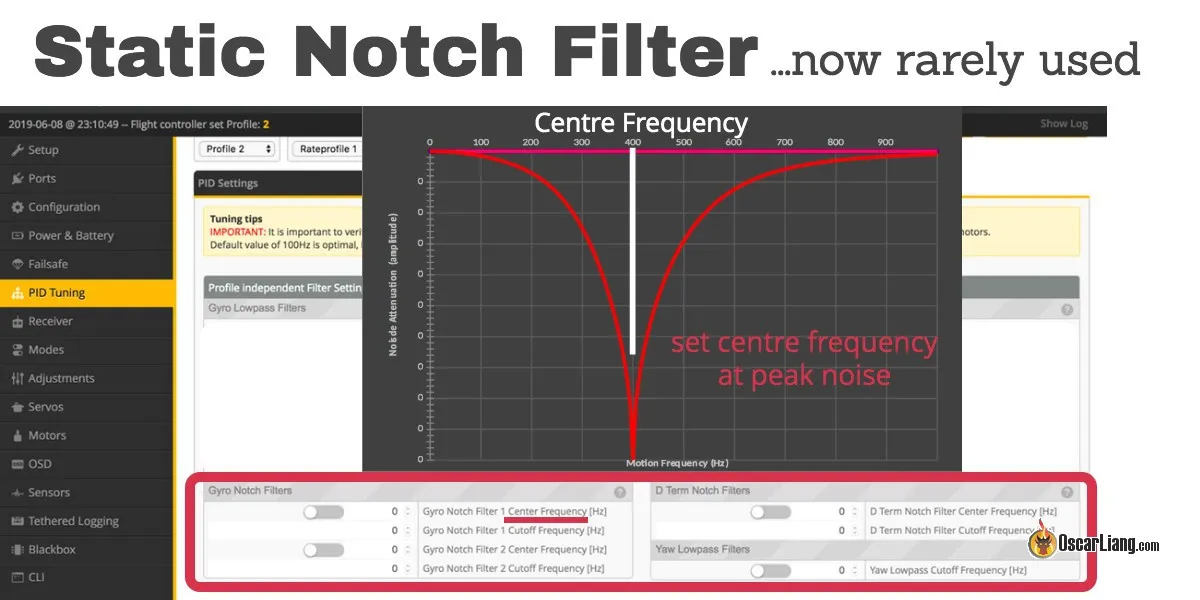
- Filters: Digital filters (e.g., RPM Filtering) are crucial for cleaning up motor noise, allowing the PID controller to work more effectively and reducing prop wash. Proper filter setup is key to a smooth, powerful flight.
Practical Tip: Start with recommended Betaflight tunes for your specific components. Don't go overboard with aggressive tuning; subtle changes often yield the best results. Utilize Blackbox logging to analyze your flights and identify areas where your tune can be improved.
Gear Up for Glory: What Top Pilots Are Flying
Understanding what top pilots use provides valuable insights into what constitutes a winning setup in the demanding world of FPV racing.
Pro Pilot Setups: Dissecting the Winning Builds
A typical pro racing setup balances raw power, agility, and durability. Here's a hypothetical breakdown:
- Frame: Lightweight 5-inch carbon fiber X-frame (e.g., ImpulseRC Apex, AOS 5.5). Designed for minimal air resistance and maximum strength.
- Flight Controller (FC) / ESC Stack: A robust F7 or H7 FC paired with a high-amp 4-in-1 ESC (e.g., Aikon F7 Mini FC / Aikon AK32 50A 4-in-1 ESC). These provide ample processing power and current handling.
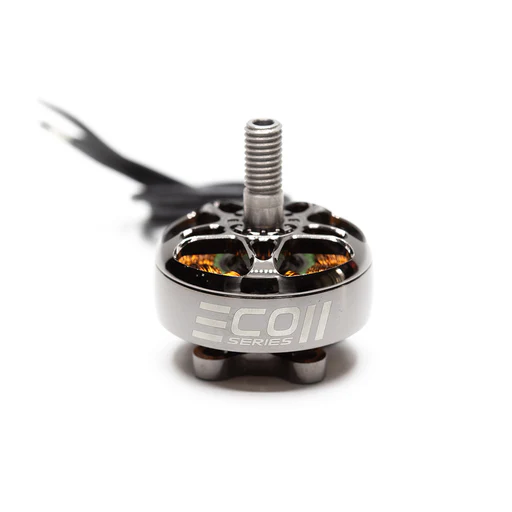
- Motors: High Kv (2000-2400Kv) 2207 or 2306 size motors for 6S power (e.g., T-Motor F60 Pro V, EMAX Eco II Series).
- FPV System: Often HDZero Race VTX and Camera for ultra-low latency, or the DJI O3 Air Unit for its superior image quality in less critical latency scenarios.
- Receiver: A low-latency, long-range system like ExpressLRS (ELRS) running on 2.4GHz or 900MHz for rock-solid control. TBS Crossfire is also a perennial favorite.
- Props: Tri-blade or bi-blade propellers optimized for speed and grip (e.g., Gemfan 5143, HQProp 5x4.3x3, Ethix S4).
The key takeaway is that these setups are meticulously chosen and tuned for peak performance under race conditions, often sacrificing some durability for speed and agility.
Essential Components: From Batteries to Props, What Matters Most
Every component plays a critical role in a racing quad's performance:
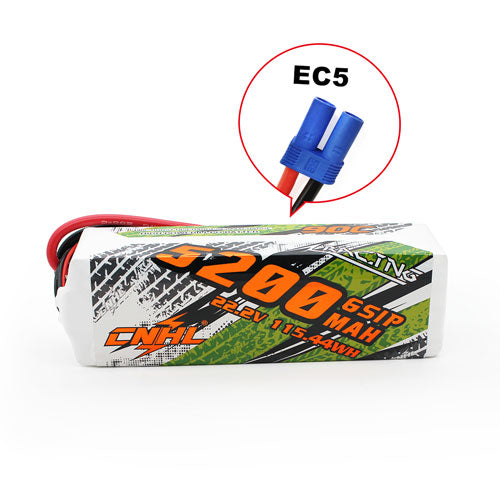
- Batteries: High C-rating LiPo batteries (e.g., 1300-1500mAh 6S 120C+). The 'C' rating indicates continuous discharge capability, crucial for providing the instant power bursts needed in racing without significant voltage sag. Brands like Tattu R-Line and GNB are popular.
- Propellers: The "tires" of the quad. Prop choice significantly impacts thrust, efficiency, and flight feel. Racers experiment with different pitches and blade counts to find the sweet spot for a given track and motor setup.
- Antennas: High-quality FPV antennas (e.g., Foxeer Lollipop, TBS Triumph Pro) are essential for clear video. Circularly polarized antennas (LHCP or RHCP) are preferred to minimize multipathing interference.
- Goggles: Low-latency goggles with clear displays are paramount. Fat Shark HDO2/HDO3 with an advanced receiver module, or DJI Goggles 2/Integra for digital systems, are common choices.
- Radio Transmitter: A reliable, low-latency radio with a comfortable gimbal feel is crucial. Brands like Radiomaster (e.g., Zorro, Boxer), FrSky, and TBS Tango 2 are widely used, often paired with ELRS or Crossfire modules.
The Future of Racing Gear: Trends and Predictions
The future of racing gear points towards even greater integration, lighter weight, and smart technology. Expect:
- Further Miniaturization: Smaller, more powerful FCs and ESCs.
- AI-Assisted Tuning: Software that can analyze flight data and suggest optimal PID tunes.
- Advanced Materials: Lighter and stronger composites for frames.
- Modular Systems: Easier component replacement and upgrades.
- Higher Refresh Rate Digital Systems: Even lower latency and smoother video feeds.
- Custom 3D Printed Parts: Increasingly used for lightweight camera mounts, antenna holders, and structural reinforcements, allowing for ultimate customization.
On the Horizon: Upcoming Events & The FPV Racing Calendar
The FPV racing calendar is always buzzing with activity. Knowing where and when to watch, or even participate, is key to staying connected.
Major League Updates: DRL, MultiGP, and International Competitions
- Drone Racing League (DRL): The most globally recognized FPV racing league, known for its high production values, custom-built LED tracks, and partnerships with major broadcasters like ESPN. Keep an eye on DRL news for their seasonal schedules and pilot lineups.
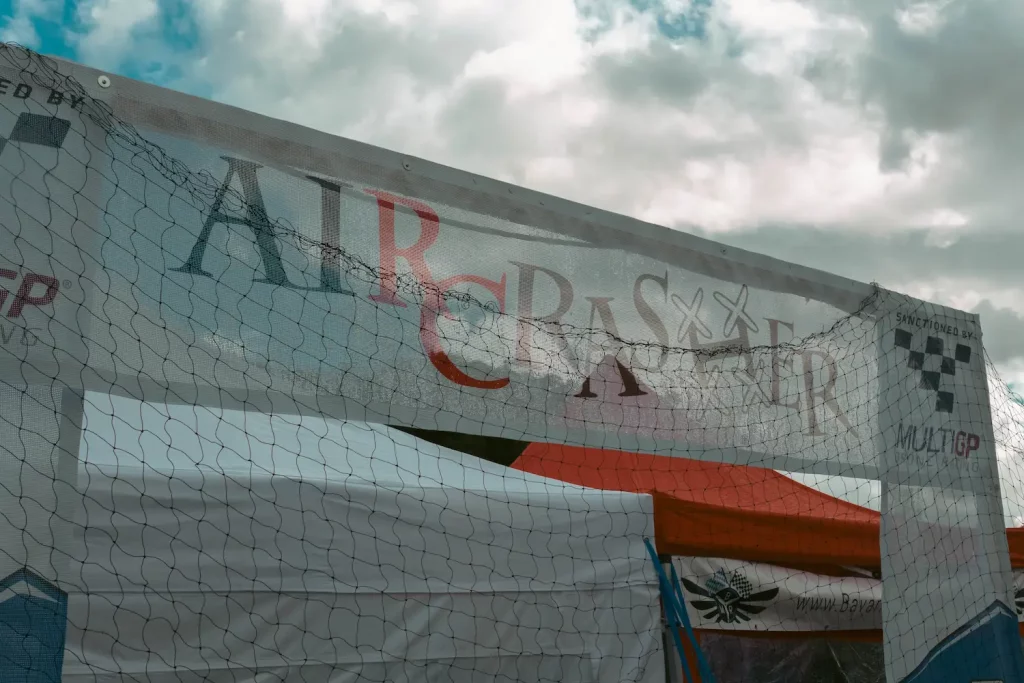
- MultiGP: The largest professional drone racing organization, focusing heavily on grassroots growth and a network of local chapters. MultiGP hosts a range of events from local qualifiers to national championships, making it accessible for pilots of all skill levels. Their website is the go-to for MultiGP results and event listings.
- FAI World Cups: Organized by the Fédération Aéronautique Internationale, these international competitions draw top pilots from around the world, representing their countries. They often feature strict technical regulations, pushing pilots to excel within specific parameters.
How to Watch: Streaming, Broadcasts, and In-Person Attendance
You can catch the excitement of FPV racing through various channels:
- Streaming Platforms: Major events are often streamed live on YouTube and Twitch, offering multiple camera angles, including the crucial pilot's eye view.
- Broadcasts: DRL often secures broadcast deals with sports networks (e.g., ESPN, NBC Sports), bringing drone racing to a wider audience.
- In-Person Attendance: For local MultiGP events, attending in person offers an unparalleled experience, allowing you to feel the speed, hear the motors, and interact with pilots. Check local club websites or MultiGP's event calendar for details.
Get Involved: Local Races and Community Events
Don't just watch – get involved! Finding a local FPV club or MultiGP chapter is the best way to start your racing journey. These communities offer:
- Mentorship: Experienced pilots willing to share knowledge.
- Practice Tracks: Dedicated spaces to hone your skills safely.
- Friendly Competition: Low-pressure races to gain experience.
- Build Sessions: Help with quad assembly and troubleshooting.
Practical Tip: Start with an FPV simulator to build muscle memory and learn basic controls before investing in a racing quad. This saves money on repairs and builds confidence.
The Pulse of the Community: Growth and Future of FPV Racing
FPV racing is a young sport with immense potential, constantly evolving both on and off the track.
Nurturing New Talent: Grassroots Initiatives and Training
The future of FPV racing depends on attracting and developing new talent. Initiatives include:
- Simulator Competitions: Online leagues using simulators to identify promising pilots.
- STEM Programs: Introducing FPV drones to schools to spark interest in technology and aviation.
- Community Workshops: Hands-on sessions for building and tuning drones.
- Junior Racing Divisions: Creating categories for younger pilots to compete.
The Spectator Experience: Making FPV Racing Mainstream
For FPV racing to truly hit the mainstream, the spectator experience needs to be continually refined. This involves:
- Enhanced Graphics: On-screen overlays that explain complex maneuvers, display real-time telemetry (speed, altitude), and highlight pilot perspectives.
- Dynamic Camera Work: Combining ground cameras, chase drones, and the pilot's FPV feed to create a compelling visual narrative.
- Engaging Commentary: Expert commentators who can explain the technicalities and strategies in an accessible way for new viewers.
- Interactive Elements: Allowing viewers to vote on races, access pilot data, or even control virtual drones.
Challenges and Opportunities: What's Next for the Sport?
Challenges:
- Regulation: Navigating evolving drone regulations worldwide.
- Funding: Securing consistent sponsorship and investment.
- Accessibility: Reducing the barrier to entry for new pilots (cost, complexity).
- Media Reach: Competing for airtime and attention in a crowded sports landscape.
Opportunities:
- Technological Advancements: Continued innovation in drone tech.
- E-sports Integration: Merging physical racing with virtual platforms.
- Global Expansion: Reaching new markets and developing international leagues.
- Educational Value: Promoting STEM education through drone technology.
Frequently Asked Questions About FPV Racing
What are the latest FPV racing news and updates?
The latest FPV racing news often revolves around major championship results (DRL, MultiGP Nationals, FAI World Cups), new product releases in racing drone technology (e.g., faster motors, lighter frames, updated digital FPV systems like HDZero or DJI O3 Air Unit firmware), and emerging pilot talents. Keep an eye on fpvlovers.com.tr for detailed breakdowns and pilot insights.
Who won the most recent drone racing championship or major event?
Winners of major drone racing championships are constantly changing! Historically, pilots like Alex Vanover, Evan Turner, and MinChan Kim have dominated the scene. For the most current results, check the official websites for the Drone Racing League (DRL), MultiGP, and the FAI Drone Racing World Cup series.
Where can I find upcoming FPV racing events and schedules?
Upcoming FPV racing events and schedules can be found on the official MultiGP website (multi.gp) for local and national races, the DRL website (thedroneracingleague.com) for their season schedules, and the FAI website for international competitions. Many local FPV clubs also post their schedules on social media or dedicated forums.
What new technologies or drones are impacting the FPV racing scene?
Key new technologies impacting FPV racing include high-definition, low-latency digital FPV systems (DJI O3 Air Unit, HDZero, Walksnail Avatar), more efficient and powerful 6S motors (e.g., T-Motor F60 Pro V), high-amp 4-in-1 ESCs running BLHeli_32, and advanced flight controller firmware like Betaflight with RPM filtering. These innovations push the boundaries of speed, control, and visual clarity.
How are top FPV pilots performing and what are their strategies?
Top FPV pilots perform by combining exceptional stick control with strategic racecraft. Their strategies often involve meticulous throttle management, precise cornering techniques (like hitting the apex or aggressive gate-cutting), maintaining momentum, and disciplined mental preparation. They spend countless hours on simulators and real-world tracks, constantly refining their lines and tuning their racing drone gear for optimal performance. They also analyze their own flights extensively using Blackbox data.
Conclusion
FPV racing is more than just a sport; it's a rapidly evolving spectacle of technology, skill, and sheer adrenaline. From the strategic brilliance of top pilots to the groundbreaking innovations in drone tech, the scene is constantly buzzing with excitement. We hope this 'Pilot's Eye View' has given you a deeper understanding of the incredible world of FPV racing, not just who won, but how they did it, and the tech that made it possible. Stay tuned to fpvlovers.com.tr for continuous updates, in-depth analyses, and all the news that keeps you at the forefront of the FPV racing world. Don't miss a single race – subscribe to our newsletter and follow us on social media for real-time updates and exclusive content!
RELATED GUIDES
Copyright-safe media generated locally by FPVLovers