FAI Outlines 2026 Drone Racing Permission and Licensing Requirements
Essential guide for pilots planning to compete in FAI sanctioned events in 2026, detailing the required FAI Sporting Licence or FAI Permission for Drone Racing.
FAI Outlines 2026 Drone Racing Permission and Licensing Requirements
The FPV Racing Pilot's Blueprint: A Step-by-Step Tutorial from Simulator to Your First Competitive Race
Ever dreamt of soaring through the air at breakneck speeds, navigating challenging courses with pinpoint precision, all from a pilot's eye view? Welcome to the exhilarating world of FPV racing! This isn't just a hobby; it's a high-octane sport that combines cutting-edge technology, lightning-fast reflexes, and a vibrant community. If you're ready to trade your spectator seat for the pilot's goggles, this comprehensive guide is your blueprint. We'll take you from understanding the basics to mastering your first race, step-by-step.
The FPV Racing Universe: What is it and Why Join?
FPV (First Person View) racing is an adrenaline-fueled sport where pilots control high-speed, agile drones through a predetermined course, often marked by gates and flags, all while wearing goggles that display a live video feed from the drone's onboard camera. It's like piloting a miniature jet fighter from the cockpit, but without the G-forces!
Adrenaline, Skill, and Community
What draws people to FPV racing?
- Adrenaline: The sheer speed and tight maneuvers are incredibly thrilling. You're flying inches from the ground, dodging obstacles, and pushing your limits.
- Skill: FPV racing demands incredible hand-eye coordination, spatial awareness, and quick decision-making. It's a continuous journey of skill development.
- Community: The FPV community is incredibly welcoming and supportive. You'll find local clubs, online forums, and events where pilots share knowledge, tips, and the joy of flight. It's a fantastic way to make new friends who share your passion.
Analog vs. Digital FPV: A Quick Overview
Before diving into gear, it's crucial to understand the two main types of FPV video systems:
- Analog FPV: This is the traditional method, offering minimal latency (delay) which is critical for racing. It uses a 5.8GHz video transmitter (VTX) on the drone and a receiver (VRX) in the goggles. While the image quality can be grainy, especially at range or through obstacles, its low latency makes it a favorite for competitive pilots. Many beginner setups start with analog due to lower cost.
- Digital FPV: Systems like DJI FPV, HDZero, and Walksnail Avatar deliver high-definition video feeds with significantly better clarity and detail. While initially having higher latency, newer digital systems like HDZero are specifically designed for racing with latency comparable to analog. Digital systems offer a more immersive and visually stunning experience, but come at a higher price point.
For pure racing, low latency is king. Both analog and digital systems now offer competitive latency, so your choice might come down to budget and desired image quality.
The Thrill of the Race: Formats and Objectives
FPV races typically involve multiple pilots flying simultaneously on a track. The objective is usually to complete a set number of laps through designated gates and flags in the fastest time.
- Time Trial: Pilots race against the clock, one at a time, to set the fastest lap.
- Head-to-Head: Multiple pilots (often 3-6) race on the track simultaneously, providing intense, close-quarters competition.
- Bracket Elimination: Pilots compete in heats, with winners advancing until a champion is crowned.
Tracks can range from simple open-field layouts to complex indoor courses with intricate obstacles, designed to test every aspect of a pilot's skill.
Your Essential FPV Racing Gear List
To get started in FPV racing, you'll need a few key pieces of equipment. Think of these as your pilot's toolkit.
The Drone: Your Racing Machine (BNF vs. DIY)
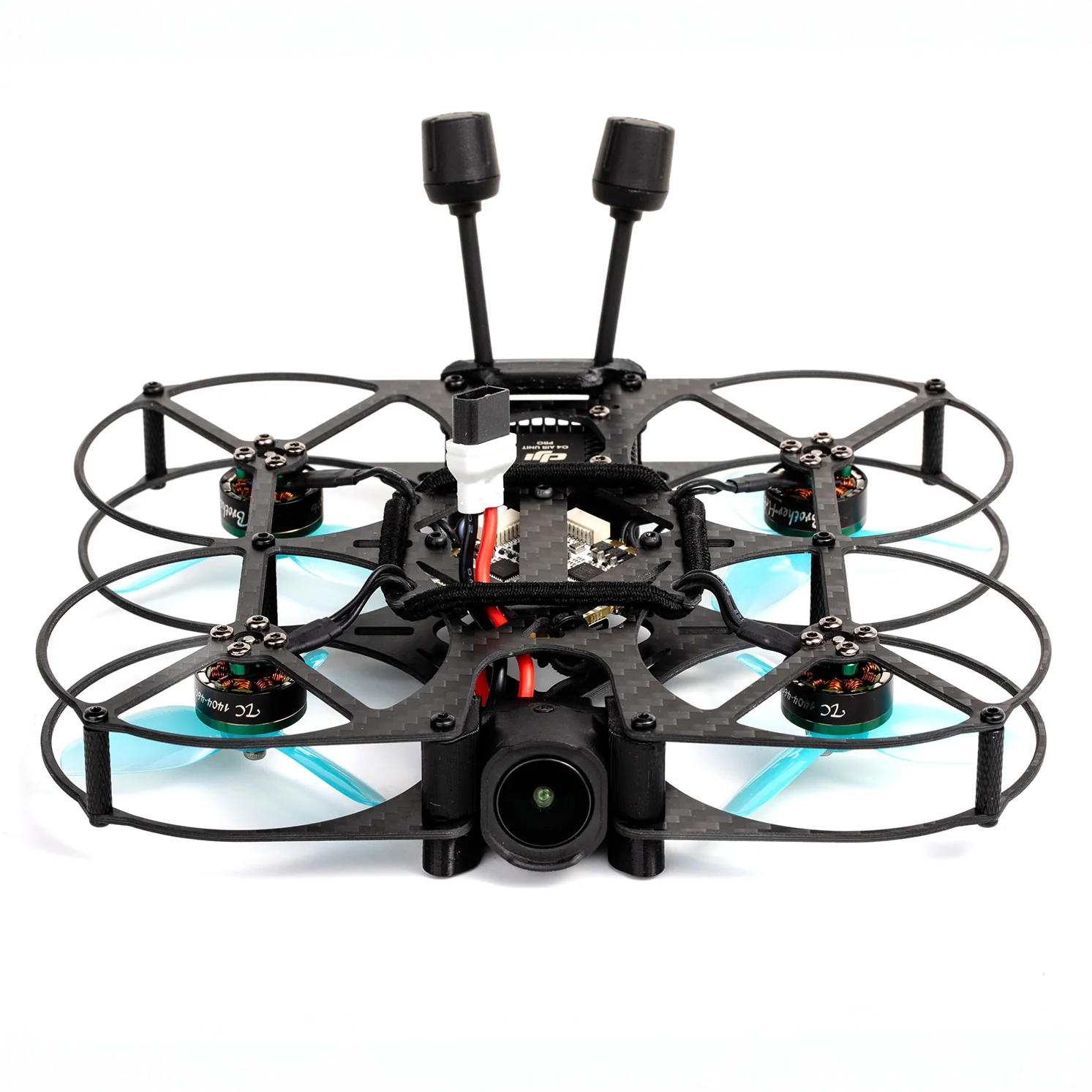
This is the star of the show! FPV racing drones are custom-built for speed, agility, and durability. They typically feature powerful brushless motors, lightweight carbon fiber frames, and a flight controller that acts as the drone's brain.
- Bind-N-Fly (BNF): These drones come fully assembled and tuned. You just need to bind them to your radio transmitter and they're ready to fly. This is an excellent option for beginners who want to get flying quickly without the hassle of building.
- Do-It-Yourself (DIY): Building your own drone from scratch offers a deeper understanding of how everything works, making repairs and upgrades easier. However, it requires soldering skills and a good amount of research. Many advanced racers prefer DIY for customization.
For beginners, a BNF 5-inch racing drone is often recommended as it provides a robust platform for learning and racing.
Goggles: Your Window to the Race
FPV goggles are arguably the most crucial piece of equipment, as they provide your immersive first-person view.
- Analog Goggles: Popular choices include Fat Shark HDO2 or Skyzone SKY04X. They offer excellent analog performance.
- Digital Goggles: For digital systems, DJI Goggles 2 (for DJI O3 Air Unit), HDZero Goggle, or Walksnail Avatar HD Goggles are top contenders, offering superior image clarity.
When choosing, consider comfort, field of view (FOV), and whether you prefer analog or digital. For racing, ensure your chosen system has minimal latency.
Radio Transmitter: Your Command Center
Your radio transmitter (often called "controller" or "radio") is how you communicate with your drone. It sends your stick inputs wirelessly to the flight controller.
- Beginner-Friendly Options: Look for radios that offer good ergonomics and support common protocols like ELRS (ExpressLRS) or Crossfire.
- Radiomaster Zorro or Radiomaster Pocket: Excellent compact radios with full-size gimbals (Zorro) or hall gimbals (Pocket) that support various modules.
- TBS Tango 2: A compact, high-quality radio known for its built-in Crossfire module.
- FrSky Taranis QX7/X9D Plus: Older but still very capable radios, often available used.
Invest in a decent radio from the start, as you'll likely keep it for a long time, even as you upgrade drones.
Batteries, Charger, and Essential Tools
- LiPo Batteries: FPV racing drones use high-discharge LiPo (Lithium Polymer) batteries. For 5-inch racers, you'll typically use 4S (14.8V) or 6S (22.2V) batteries, with capacities ranging from 1100mAh to 1500mAh. Always handle LiPo batteries with extreme care due to their volatile nature.
- LiPo Charger: A good balance charger is essential for safely charging and maintaining your batteries. Chargers like the ISDT Q6 Nano or HOTA D6 Pro are popular choices, offering features like balance charging, storage charging, and discharge.
- Tools:
- Prop Wrench: For changing propellers.
- Hex Drivers/Allen Keys: For drone assembly and maintenance.
- Soldering Iron (if building/repairing): A good quality soldering iron with adjustable temperature is invaluable.
- Multimeter: For checking voltages and continuity.
- Zip Ties, Heat Shrink, Electrical Tape: Always handy for quick repairs.
Mastering the Sticks: Simulator Training & First Flights
Before you even think about powering up a real drone, the simulator is your absolute best friend.
Why Simulators are Your Best Friend
FPV racing is challenging, and real drones are fast and fragile. Simulators allow you to crash repeatedly without consequence, building crucial muscle memory and understanding flight physics without breaking expensive hardware. This saves you money, time, and frustration.
Recommended Simulators and Practice Drills
- DRL Simulator: Often considered the most realistic, with excellent physics and a variety of tracks. Great for competitive practice.
- Velocidrone: Another highly realistic simulator, favored by many professional racers for its physics and track editor.
- Liftoff: Offers good graphics, a wide range of drones, and a more relaxed environment for exploration alongside racing.
- Uncrashed: Known for its open-world environments and realistic crash physics.
Practice Drills:
- Figure 8s: Master smooth turns and throttle control.
- Gate Practice: Focus on hitting gates cleanly and consistently.
- Track Laps: Once comfortable, try to complete full tracks, focusing on line management and maintaining speed.
- Obstacle Avoidance: Practice flying through gaps and around objects.
Aim for at least 20-30 hours in a simulator before your first real flight.
Your First Real-World Flights: Safety First
When you're ready for your first real flight:
- Find an Open Area: Choose a large, open field away from people, animals, and property. A local park (check regulations!) or designated flying field is ideal.
- Bring a Spotter: Have a friend or fellow pilot with you to keep an eye on the drone and surroundings while you're in your goggles.
- Start Slow: Don't try to race immediately. Hover, practice gentle turns, and get a feel for the drone's response.
- Check Regulations: Always be aware of local drone laws and airspace restrictions.
Basic Flight Modes: Acro vs. Stabilized
FPV drones typically have different flight modes:
- Stabilized Mode (Angle/Horizon): This mode uses accelerometers to self-level the drone. When you let go of the sticks, the drone will try to return to a level orientation. This is easier for beginners but limits your maneuverability. Not suitable for racing.
- Acro Mode (Rate Mode): This is the standard for FPV racing and freestyle. The drone does not self-level; it holds its last commanded angle. If you tilt the drone forward, it will continue to fly forward until you command it otherwise. This mode offers full control and allows for complex maneuvers, but requires significant practice.
Your goal for racing is to master Acro Mode. Start in stabilized mode in the simulator, but transition to Acro as soon as possible.
Choosing Your First Racing Drone: A Beginner's Buyer's Guide
This is where many beginners get stuck. Let's break down the options.
Ready-to-Fly (RTF) vs. Bind-N-Fly (BNF) vs. Building Your Own
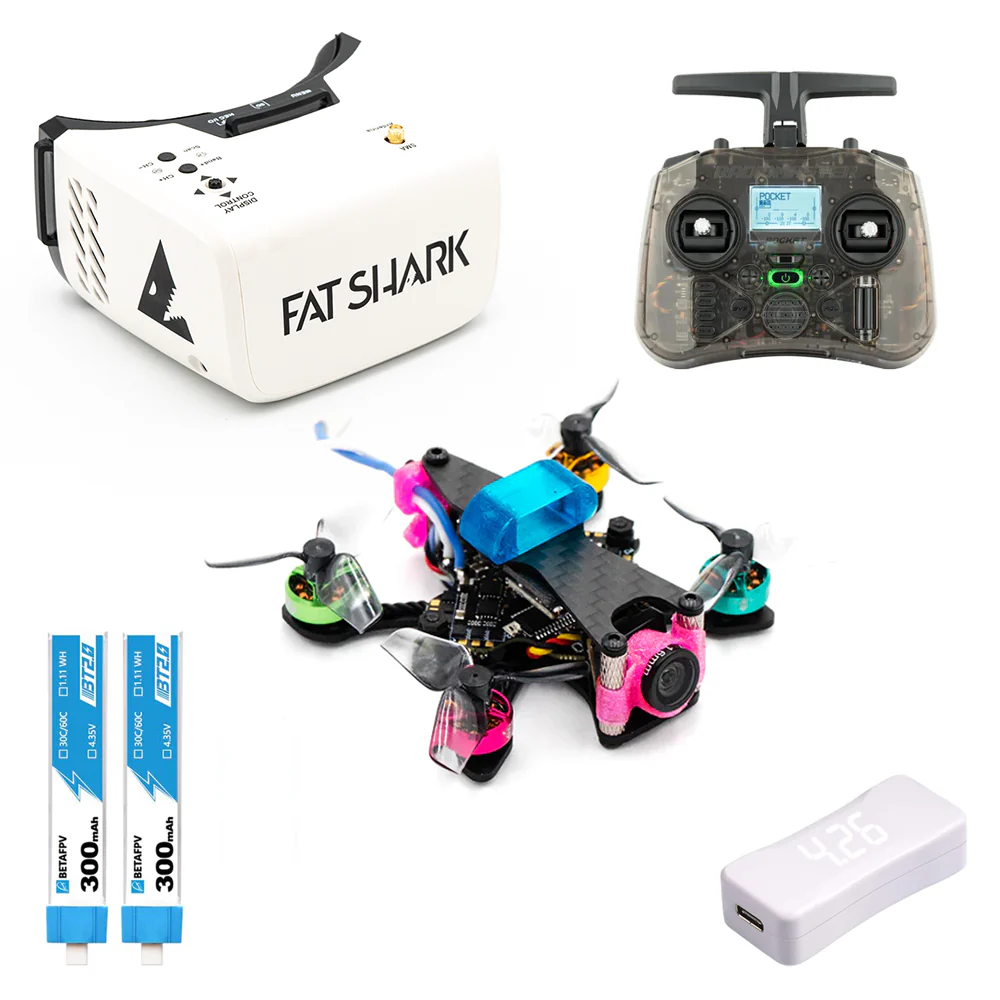
- Ready-to-Fly (RTF): Comes with everything you need: drone, radio, and goggles.
- Pros: Easiest way to start, minimal setup.
- Cons: Often lower quality components, less upgradeable, might quickly be outgrown.
- Recommendation: Good for absolute beginners who want to dip their toes in cheaply, but often not the best long-term investment for racing.
- Bind-N-Fly (BNF): Drone comes assembled, but you need your own radio and goggles.
- Pros: Higher quality components than RTF, still easy to get flying, good starting point for a dedicated racer.
- Cons: Requires separate purchase of radio and goggles.
- Recommendation: Highly recommended for aspiring FPV racers. Allows you to choose better quality peripherals.
- Building Your Own: Purchasing individual components and assembling them.
- Pros: Deep understanding of the drone, full customization, easier repairs.
- Cons: Requires technical skill (soldering, configuration), time-consuming.
- Recommendation: Best for those who enjoy tinkering and want to fully customize their experience, but generally not for a first drone unless you have a mentor.
Understanding Drone Sizes: From Tiny Whoops to 5-inch Racers
FPV drones come in various sizes, typically measured by their motor-to-motor diagonal distance (e.g., a "5-inch" drone uses 5-inch propellers).
- Tiny Whoops (e.g., Mobula7, Beta75X): These are small, lightweight drones (often 65mm to 75mm) that use ducted propellers. They are excellent for indoor flying, learning basic FPV skills, and racing in small spaces. They are durable and less intimidating for beginners.
- Toothpicks (e.g., Happymodel Crux3): These are slightly larger (around 100mm-120mm) and more powerful than Tiny Whoops, but still very light. They offer a good balance of speed and agility for outdoor flying in smaller areas.
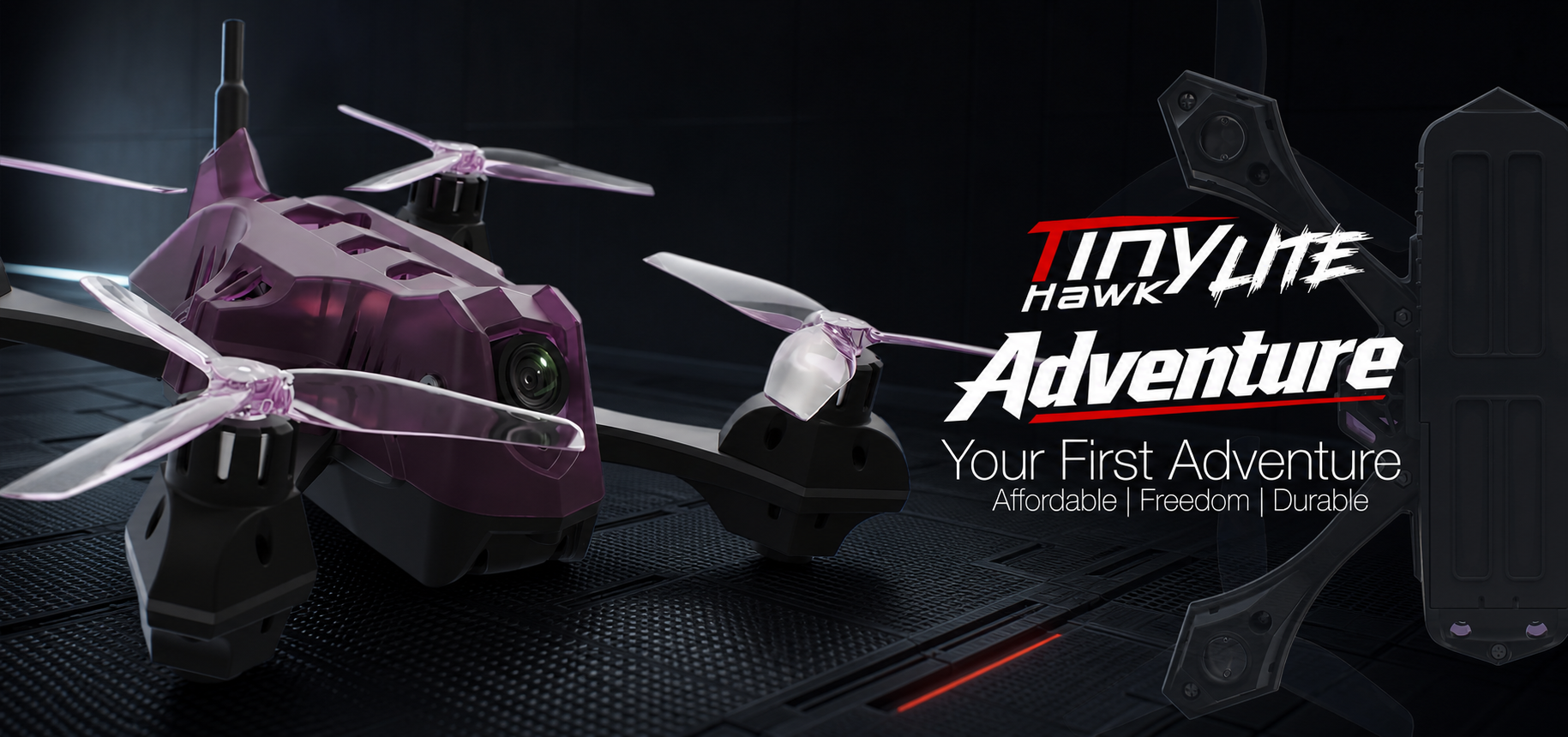
- 5-inch Racing Drones: These are the standard for competitive outdoor FPV racing. They are powerful, fast, and agile, designed to carry 5-inch propellers. This is what you'll see at most FPV racing events. Examples include the iFlight Nazgul Evoque or GepRC Mark5.
- Cinewhoops: While mentioned in the knowledge base, cinewhoops are typically used for cinematic filming, not racing, due to their heavier, ducted design for prop protection and smoother flight.
For serious FPV racing, a 5-inch drone is your ultimate goal. Starting with a Tiny Whoop or Toothpick can be a great way to learn without the intimidation and cost of crashing a 5-inch.
Budgeting for Your FPV Racing Journey
The cost can vary widely, but here's a rough breakdown for a beginner setup:
- Radio Transmitter: $80 - $200 (e.g., Radiomaster Zorro/Pocket)
- Goggles (Analog): $200 - $400 (e.g., Eachine EV800D for budget, Fat Shark HDO2 for quality)
- Goggles (Digital): $400 - $700 (e.g., DJI Goggles 2, HDZero Goggle)
- BNF Drone (5-inch): $250 - $450 (e.g., iFlight Nazgul Evoque, GepRC Mark5)
- BNF Drone (Tiny Whoop/Toothpick): $100 - $200 (e.g., Mobula7, Happymodel Crux3)
- LiPo Batteries (4-6x): $100 - $200
- Charger: $50 - $150
- Simulator: $20 - $40
- Tools/Spares: $50 - $100
Expect to spend anywhere from $500 to $1000+ for a decent beginner setup, especially if opting for digital FPV. While it's an investment, the longevity of components like your radio and goggles makes it worthwhile.
Top Beginner-Friendly Drone Recommendations
- For Learning Indoors/Small Outdoors (Tiny Whoop):
- Happymodel Mobula7 ELRS: A fantastic, durable, and widely supported tiny whoop. Great for learning line control and acro indoors.
- For Stepping Up (Toothpick):
- Happymodel Crux3 ELRS: A lightweight, agile toothpick that can be flown outdoors and handles wind better than a whoop.
- For Your First 5-inch Racer (BNF):
- iFlight Nazgul Evoque F5D/F5X (HD or Analog): A very popular and well-regarded BNF 5-inch drone, known for its durability and performance. It comes in both HD (digital) and analog versions.
- GepRC Mark5 (HD or Analog): Another excellent choice, often praised for its robust frame and smooth flight characteristics.
These BNF options significantly reduce the barrier to entry by coming pre-built and tuned.
Beyond the Basics: Tuning, Upgrades, and Community
Once you're comfortable flying, there's a whole new world to explore.
Basic Drone Setup and Tuning Concepts
While BNF drones come pre-tuned, understanding the basics of drone setup and tuning is crucial for optimizing performance and troubleshooting.
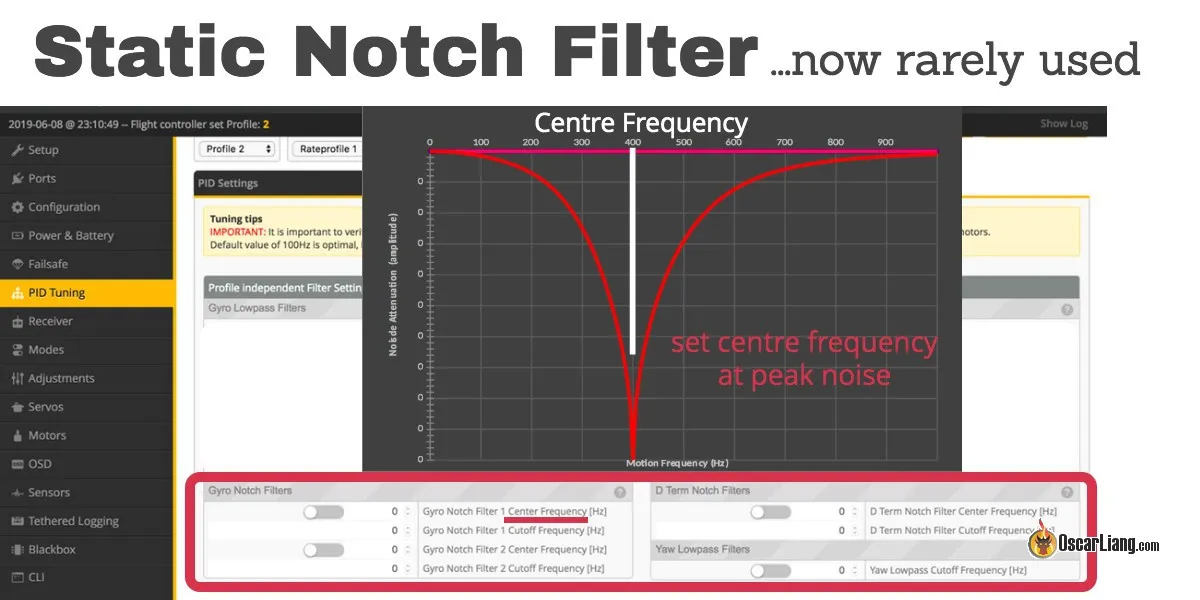
- Betaflight Configurator: This is the software interface used to configure your flight controller. You'll use it to set up modes, adjust PID (Proportional-Integral-Derivative) values, and calibrate sensors.
- PIDs: These are parameters that control how your drone responds to inputs and disturbances. Fine-tuning PIDs can make your drone fly smoother, more locked-in, and more responsive.
- Rates: These determine how quickly your drone rotates on its axes (roll, pitch, yaw). Beginners often start with lower rates and increase them as their skill improves.
- Filters: Help clean up noisy sensor data, leading to smoother flight and less motor heat.
Don't be intimidated; there are countless tutorials online (e.g., on YouTube) to guide you through these concepts.
Joining the FPV Community: Clubs, Races, and Online Resources
The FPV community is one of its greatest assets.
- Local FPV Clubs: Search online for FPV clubs or groups in your area. They often organize meetups, practice sessions, and even local races. Flying with experienced pilots is invaluable for learning.
- Online Forums & Social Media: Websites like RotorRiot, FPV.fm, and dedicated Facebook groups are fantastic resources for asking questions, sharing builds, and staying up-to-date with the latest tech.
- YouTube Channels: Channels like Joshua Bardwell, Oscar Liang, and Le Drib are treasure troves of information, tutorials, and flight footage.
Advanced Tips for Improving Your Racecraft
- Line Management: Learn to take the shortest, most efficient path through the gates. This often means cutting corners and maintaining momentum.
- Throttle Control: Smooth throttle management is key to maintaining speed and stability, especially in turns.
- Looking Ahead: Train your eyes to look two or three gates ahead, anticipating your next move rather than reacting to the current one.
- Practice Consistency: Focus on flying clean, consistent laps rather than just chasing raw speed. Speed comes with consistency.
- Analyze Your Flights: If your goggles have DVR (Digital Video Recorder), record your flights and review them to identify areas for improvement.
FPV Racing FAQ
How much does it cost to start FPV racing?
A decent beginner setup, including a radio, goggles, a BNF drone (like a 5-inch or a smaller whoop), batteries, and a charger, will generally cost between $500 to $1000+, depending on whether you choose analog or digital FPV and the quality of components. Simulators add another $20-$40.
Is FPV racing difficult to learn for a beginner?
Yes, FPV racing has a steep learning curve, especially mastering Acro mode. However, with consistent practice on a simulator (20-30+ hours) and a good beginner-friendly drone, anyone can learn. The rewards of mastering it are immense!
Do I need to know how to solder to get into FPV?
Not necessarily to start. Many excellent Bind-N-Fly (BNF) drones come fully assembled and ready to fly, requiring no soldering. However, knowing how to solder is an invaluable skill for FPV, as it makes repairs, component replacements, and future upgrades much easier and more cost-effective. It's a skill worth learning as you progress.
Where can I find FPV racing events or practice spots near me?
The best way is to search for local FPV clubs or groups on Facebook, Reddit, or dedicated FPV forums. Websites like MultiGP (Multi Drone Grand Prix) also list sanctioned races and chapters worldwide. Many local hobby shops might also have information.
What's the difference between FPV racing and FPV freestyle?
- FPV Racing: Focuses on speed and efficiency through a defined course, aiming for the fastest lap times. Precision and consistency are key.
- FPV Freestyle: Emphasizes creative, acrobatic maneuvers and tricks (e.g., flips, rolls, dives, power loops). It's about expressing pilot skill and style, often in open environments or interesting locations. While the drones and core skills are similar, the objectives and flight styles differ significantly. Many pilots enjoy both!
The world of FPV racing is dynamic, challenging, and incredibly rewarding. With the right gear, dedicated practice, and a passion for flight, you'll be tearing through gates and competing in no time. So, what are you waiting for? Grab your simulator, choose your first drone, and prepare for takeoff. The skies are calling! Share your FPV journey with us in the comments below, or find a local FPV club to connect with fellow pilots and get started today!
Copyright-safe media generated locally by FPVLovers