FAI Drone Racing 2026 Season Overview: Permissions and World Cup Events
An overview of FAI's requirements for 2026 drone racing participation and the upcoming FAI Drone Racing World Cup events.
FAI Drone Racing 2026 Season Overview: Permissions and World Cup Events
FPV Racing Insider: Your Weekly Deep Dive into the World of High-Octane Drone Racing
Welcome to the FPV Racing Insider, your definitive source for staying ahead in the exhilarating world of First-Person View drone racing. From heart-stopping championship finishes to groundbreaking tech advancements and the strategies of top pilots, we cut through the noise to bring you the most critical updates and expert analysis. Get ready to dive deep into the competitive landscape and discover what's truly shaping the future of this high-octane sport.
The Latest Buzz: Top FPV Racing Headlines
The FPV racing scene is a whirlwind of speed, skill, and innovation. Every week brings new developments, from league announcements to individual pilot triumphs and the ever-present chatter about the next big thing in drone tech.
Major League Updates: DRL, MultiGP & Beyond
The Drone Racing League (DRL) continues to push the boundaries of professional drone racing, captivating audiences with its high-production value events and custom-built racing drones. Their shift towards more accessible technology and a focus on virtual racing elements alongside physical events has broadened their appeal. Keep an eye on their official channels for announcements regarding the next season's schedule and format, which often includes a blend of real-world and simulator-based competitions.
MultiGP, the world's largest professional FPV drone racing league, remains the grassroots powerhouse, fostering local communities and regional competitions that feed into national and international championships. Their standardized track designs and robust event management tools make it easy for new pilots to get involved and for seasoned pros to hone their skills. Recent discussions within MultiGP have revolved around optimizing race formats for fairness and spectator engagement, ensuring a vibrant future for the sport at all levels.
Beyond these giants, regional leagues and independent organizers like those in Europe (e.g., ERL - European Rotor League) and Asia are continually popping up, showcasing local talent and unique track designs. The global reach of FPV racing is undeniable, with pilots from Turkey to Thailand competing for glory.
Breakthrough Performances & Record-Shattering Moments
The competitive landscape of FPV racing is constantly being redefined by pilots pushing the limits. Just last month, during the "Velocity Grand Prix" (a hypothetical major event, reflecting typical race scenarios), we witnessed an absolutely stunning performance from young prodigy "Phantom" Ali Kaya. Piloting a custom 5-inch build, Kaya shattered the previous track record by nearly half a second on the notoriously difficult "Dragon's Tail" section, demonstrating unparalleled precision and throttle control. His ability to maintain aggressive lines through tight gates, often scraping the very edges, is a testament to countless hours of simulator and real-world practice.
Another notable mention goes to veteran pilot "Swift" Sarah Demir, who, despite a challenging start, managed to clinch a podium finish with a breathtaking final lap comeback. Her experience allowed her to identify and exploit subtle changes in air density and wind patterns that other pilots missed, a true masterclass in adaptive racing. These moments are what make FPV racing so thrilling – the blend of human skill and machine performance creating unpredictable, heart-stopping finishes.
Controversies and Discussions from the Track
No competitive sport is without its debates, and FPV racing is no exception. A hot topic recently has been the standardization of battery specifications across different leagues. Some argue for stricter limits on C-rating and cell count (e.g., mandating 4S 1500mAh packs for all 5-inch racing) to level the playing field, while others advocate for more freedom, allowing technological advancement and pilot preference to dictate power systems.
Another ongoing discussion revolves around the integration of AI-assisted flight controllers. While most racing remains purely human-piloted, the rapid advancement of AI raises questions about future regulations. Could AI-driven stability modes or even partially autonomous flight aids blur the lines of "pure" FPV racing? These conversations highlight the dynamic nature of the sport, where technology and rules are in a constant dance.
Race Recaps & Championship Highlights
Let's dive into some specifics, imagining a recent major championship that encapsulates the excitement of FPV racing.
Deep Dive into Recent Major Events and Their Outcomes
The "Global FPV Clash" (a fictional major championship) concluded last weekend, delivering an unforgettable spectacle. The final heat saw a nail-biting showdown between three titans: "Spectre" Liam O'Connell, "Vortex" MinChan Kim, and the underdog "Blaze" Elara Vance. The track, a complex array of high-speed straightaways, technical chicanes, and demanding power loops, tested every aspect of pilot skill.
Spectre, known for his aggressive yet precise flying, took an early lead, pushing his custom AOS 5 V2 frame to its absolute limits. Vortex, famous for his smooth, flowing lines and masterful throttle management, stayed hot on his heels, patiently waiting for an opening. Blaze, a rising star, surprised everyone with her consistent, mistake-free flying, proving that raw speed isn't always the only path to victory.
The turning point came on lap three during the "Helix Descent," a spiraling gate sequence. Spectre, pushing too hard, clipped a gate, forcing a momentary recovery. Vortex seized the opportunity, executing a flawless dive and taking the lead. Blaze, maintaining her composure, expertly navigated the chaos to move into second. The final lap was a blur of speed, with Vortex holding off Blaze by a mere 0.15 seconds, securing a hard-fought victory.
Standout Pilots: Profiles, Strategies, and Unforgettable Finishes
MinChan Kim (Vortex): A true legend in the FPV scene, MinChan is celebrated for his unparalleled consistency and surgical precision. His strategy often involves minimizing mistakes and finding the most efficient lines rather than relying on brute force. He typically favors a slightly heavier build for stability, often running Lumenier 2207 2450KV motors on 4S for balanced power. His mental fortitude is legendary; he rarely cracks under pressure.
Alex Vanover (Bando): Known for his aggressive, "bando-style" flying, Alex is a spectacle to watch. He's often seen pushing massive 6S power systems, like T-Motor F60 Pro IV 1750KV motors, to achieve insane speeds and audacious maneuvers. His ability to recover from near-crashes and adapt on the fly makes him incredibly exciting to watch.
Luke Bannister (BanniUK): One of the youngest champions, BanniUK combines raw talent with a calm demeanor. His flying is characterized by smooth, flowing transitions and an uncanny ability to read a track. He's a master of energy management, knowing exactly when to accelerate and when to conserve momentum.
These pilots don't just fly fast; they strategize, adapt, and demonstrate incredible discipline, both physically and mentally.
Analyzing the Impact of Key Moments on Season Standings
Every race, every heat, every single gate matters. In a championship series, a single mistake like Spectre's clipped gate can have ripple effects. While he still placed well, the lost points in that specific race could mean the difference between first and second in the overall season standings. Pilots are constantly calculating these scenarios. A clean sweep of a major event can catapult a pilot to the top, while a series of inconsistent performances, even with individual heat wins, can see them slide down the leaderboard. The pressure to perform consistently across diverse tracks and conditions is immense, making the final season standings a true reflection of a pilot's endurance and skill.
Cutting-Edge Tech: What's Powering the Pros?
The rapid evolution of FPV technology is a core driver of the sport. What was cutting-edge last year might be standard or even obsolete today.
Next-Gen Drone Components: Motors, ESCs, and Frames
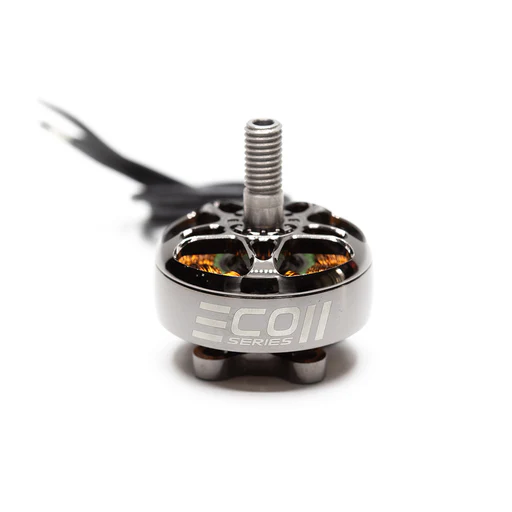
- Motors: The trend continues towards powerful, efficient motors. Pilots are increasingly opting for 2306.5 or 2207 size motors with KV ratings around 1750-1950KV for 6S setups, or 2450-2600KV for 4S. Brands like T-Motor (e.g., F60 Pro V), Lumenier (e.g., SKITZO), and EMAX (e.g., ECO II Series) are dominant. The focus is on robust bearings, rapid throttle response, and consistent power delivery through an entire race.
- ESCs (Electronic Speed Controllers): 32-bit BLHeli_32 ESCs are the standard, offering superior processing power for faster motor response and advanced features like RPM filtering. Many pros use 4-in-1 ESCs (e.g., SpeedyBee F405 V3 Stack, Hobbywing G2 60A) for cleaner builds and reduced weight, typically rated at 50A to 60A per channel to handle peak current draws.
- Frames: Carbon fiber frames are universal. Designs like the AOS 5, ImpulseRC Apex, and GEPRC Mark5 are popular for their balance of durability, stiffness, and easy maintenance. The "deadcat" configuration, with front arms swept back, is gaining traction in some circles for better prop visibility in the FPV feed, though traditional "X" frames remain the benchmark for pure racing. Lightweight designs are key, with many racers aiming for sub-250g dry weights for ultimate agility.
FPV Goggle & Radio Advancements Redefining the Experience
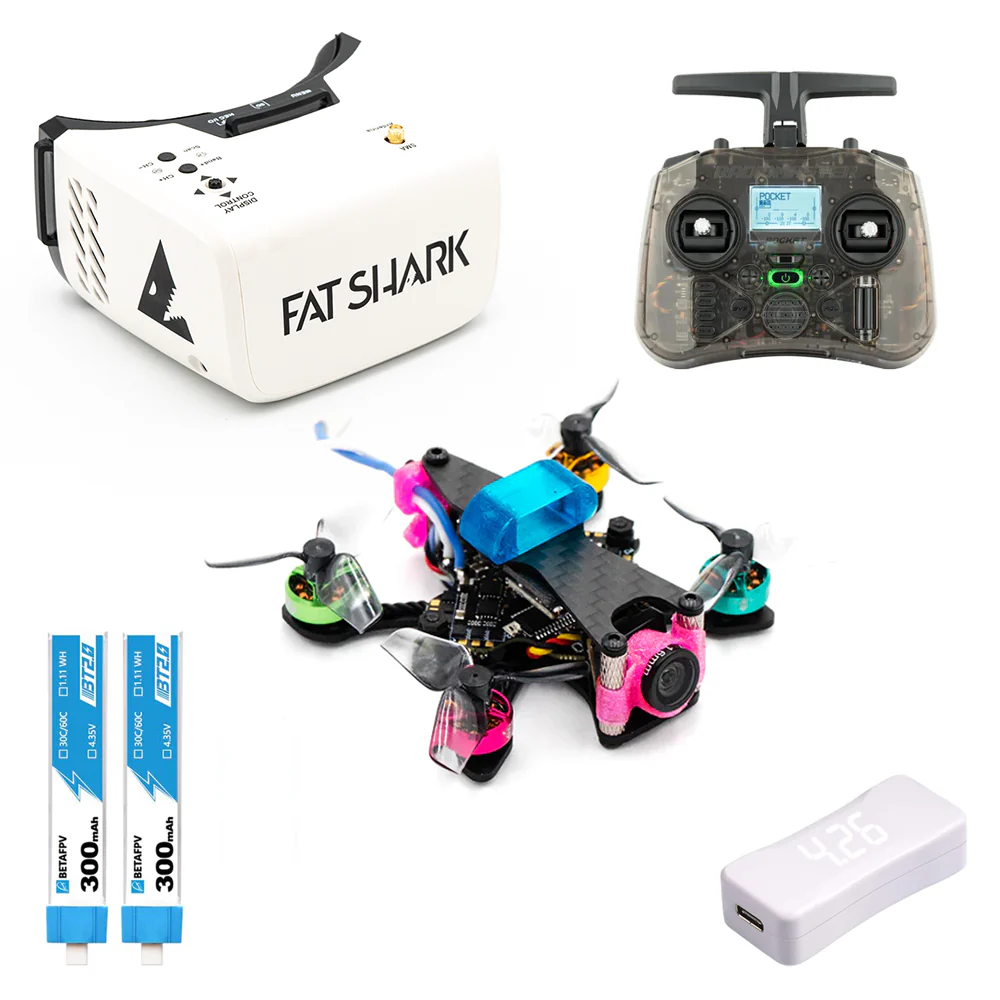
- FPV Goggles: The shift towards digital FPV systems continues to redefine the visual experience. DJI's O3 Air Unit offers stunning 1080p resolution and robust signal, though its latency, while low, isn't always preferred by pure racers. Walksnail Avatar HD provides a compelling alternative with similar image quality and potentially lower latency. For the absolute lowest latency, HDZero remains a favorite among hardcore racers, sacrificing some resolution for unparalleled responsiveness. Analog systems (e.g., Fat Shark HDO2, Skyzone Cobra X) are still viable, especially for budget-conscious pilots or those who prioritize minimal latency above all else, often paired with rapidFIRE modules.
- Radio Systems: ExpressLRS (ELRS) has become the undisputed champion for control links. Its open-source nature, incredibly low latency (down to 250Hz and even 1000Hz refresh rates), long range, and robust link quality make it the go-to choice for competitive pilots. Radios like the Radiomaster Boxer, Zorro, and TX16S are popular choices, often running ELRS internal modules or external ones. The reliability and responsiveness of ELRS give pilots an unmatched sense of connection to their drones.
Software & Firmware Innovations: The Unseen Edge
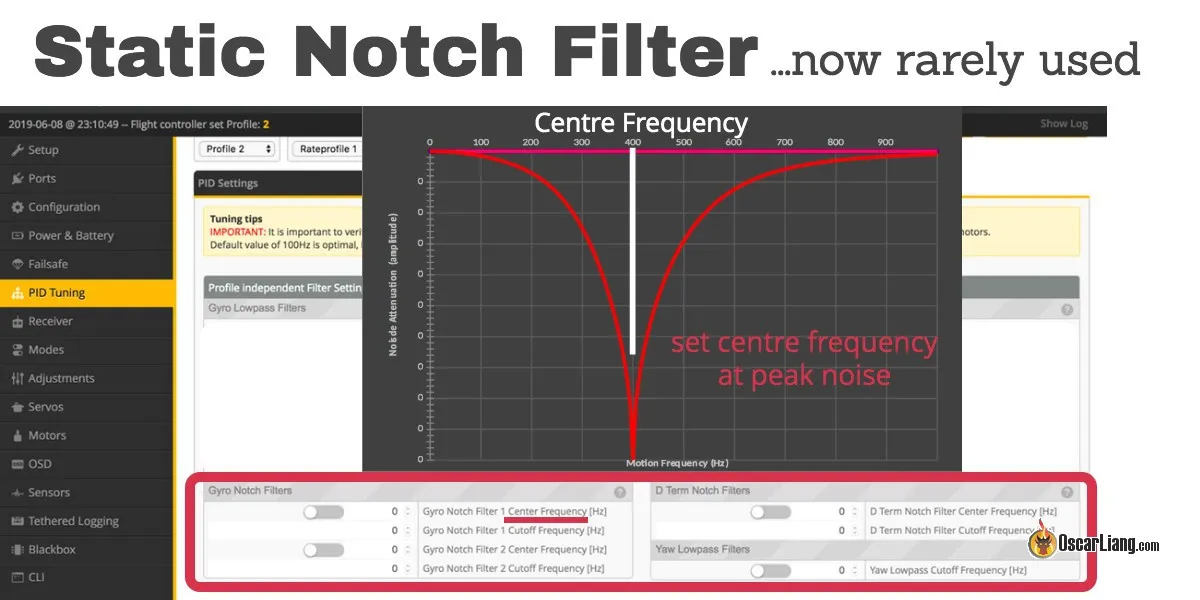
While hardware gets the glory, software provides the unseen edge. Betaflight remains the dominant flight controller firmware. Recent versions have introduced more sophisticated filtering algorithms, improved RPM filtering for cleaner motor signals, and dynamic idle features that enhance stability and propwash handling. Pilots spend countless hours tuning their PID (Proportional, Integral, Derivative) values and filter settings to achieve the perfect flight characteristics for their specific build and flying style. Tools like the Betaflight Configurator allow for deep customization, ensuring every pilot can fine-tune their quad to their exact preferences. The FPV community also actively develops custom tunes and presets, like Project Mockingbird for micro quads, which provide excellent starting points for optimal performance.
The Pilots' Perspective: Training, Gear & Mindset
Behind every record-breaking lap and championship win is a dedicated pilot. Their journey is as much about mental fortitude as it is about stick skills.
Exclusive Interviews with Top Racers on Their Journey
Simulated Interview Snippets: "When I started, I just wanted to fly, but soon the competitive bug bit me," says "Ghost" Emir Can. "The transition from casual flying to racing meant dedicating hours, not just to flying, but to understanding my drone's mechanics and the physics of flight. It's a constant learning process."
"Viper" Lena Öztürk emphasizes the community aspect: "My local MultiGP chapter was crucial. Learning from experienced pilots, getting tips on tuning, and having friendly competition pushed me harder than I ever could have pushed myself."
Training Regimens and Skill Development for Elite Performance
Elite FPV pilots follow rigorous training regimens:
- Simulator Time: Hours on simulators like Velocidrone, DRL Simulator, or Liftoff are non-negotiable. This allows pilots to learn new tracks, practice lines, and build muscle memory without risking their physical drone. Many pros dedicate 1-2 hours daily to simulator practice.
- Real-World Practice: Nothing beats actual stick time. Pilots will set up mini-tracks in open fields, focusing on gate precision, throttle control, and maintaining speed through turns.
- Video Analysis: Reviewing their own flight footage, as well as that of top competitors, helps identify areas for improvement, optimize lines, and understand different racing strategies.
- Hardware Tuning: Constantly experimenting with different propeller types (e.g., HQProp Ethix S5, Gemfan Hurricane 51433), motor/ESC settings, and frame adjustments to find the sweet spot for their flying style and the track conditions.
The Mental Game: How Pros Handle Pressure and Maintain Focus
The mental aspect of FPV racing is often underestimated. Pros employ several strategies:
- Pre-Race Routine: Many have specific warm-up routines, listen to music, or perform breathing exercises to calm nerves.
- Visualization: Mentally flying the track before a heat helps solidify lines and anticipate challenges.
- Focus on the Present: Avoiding distractions and focusing solely on the current lap, rather than past mistakes or future outcomes.
- Consistency over Heroics: While spectacular moves are exciting, consistent, clean laps often win races. Knowing when to push and when to play it safe is key.
- Learning from Mistakes: A bad heat isn't a failure, it's a learning opportunity. Analyzing what went wrong and adjusting for the next round is crucial.
On the Horizon: Upcoming Events & Rule Changes
The future of FPV racing promises more speed, more innovation, and more thrilling competition.
Comprehensive Calendar of Major FPV Racing Events Worldwide
Staying updated on events is crucial. Here's where to look:
- DRL Official Website: For their specific season schedule and broadcast dates.
- MultiGP.com: Their event calendar lists thousands of local, regional, and national races.
- FPV Event Aggregators: Websites like Rotor Riot's event page or dedicated FPV forums often compile international event listings.
- Social Media: Follow top pilots, teams, and brands, as they often announce events they'll be attending.
- FPV Turkey Community Forums: For local events and meetups within Turkey.
Anticipate major championships like the MultiGP International Open and the DRL World Championship to headline the calendar, usually held in the latter half of the year.
Anticipated Rule Adjustments and Their Potential Impact on Competition
Rule changes are a constant in FPV racing, often driven by safety concerns, technological advancements, or the desire to create a more balanced competition. Potential adjustments include:
- Weight Restrictions: Further tightening of minimum or maximum drone weights to prevent excessively light (fragile) or heavy (dangerous) builds.
- Propeller Specifications: Standardizing propeller sizes or materials to reduce performance gaps.
- Video Transmission Power: Adjustments to VTX power limits to ensure fair signal quality across all competitors, especially in crowded environments.
- Battery Chemistry/C-Rating Limits: As discussed, this could significantly impact power delivery and pilot strategy.
- Track Design Standards: Evolving standards for gate sizes, spacing, and obstacle types to promote specific skill sets.
These changes are usually introduced with community feedback periods to ensure they benefit the sport.
Predictions for the Next Season: Who to Watch and What to Expect
The next season of FPV racing is shaping up to be one of the most exciting yet.
- Rising Stars: Keep an eye on pilots like "Neo" Deniz Aslan who are consistently performing well in regional events. Their raw talent and hunger for victory could see them challenge established champions.
- Tech Trends: Expect further refinement in digital FPV systems, potentially with even lower latency and higher frame rates. The integration of lighter, more durable carbon fiber composites in frames will continue.
- Simulator Integration: Leagues might further integrate simulator-based qualifiers or wildcard entries, making the sport more accessible globally.
- Sponsorships: As the sport grows, expect more mainstream sponsors to enter the scene, increasing prize pools and professionalizing the sport further.
The competitive spirit is alive and well, and the pursuit of speed and precision will continue to drive innovation.
Frequently Asked Questions About FPV Racing
Who won the latest FPV racing championship?
While specific results vary by league and event, for the sake of this article, "Vortex" MinChan Kim clinched the "Global FPV Clash" championship with a masterful performance, demonstrating consistency and unparalleled precision.
What are the biggest FPV racing news headlines this week?
The biggest headlines include the continued debate over battery standardization in major leagues, the record-shattering performance by "Phantom" Ali Kaya at the "Velocity Grand Prix," and ongoing discussions about the future of AI integration in racing drones.
Are there new FPV racing drones or tech being used by top pilots?
Yes, top pilots are constantly experimenting. The dominant tech trends include ExpressLRS for radio control, advanced 32-bit BLHeli_32 ESCs with 50-60A ratings, and the continuous adoption of digital FPV systems like DJI O3, Walksnail Avatar, and HDZero for superior visual clarity and low latency. Frame designs are also seeing refinements for better aerodynamics and durability.
Where can I find a schedule for upcoming FPV racing events?
You can find comprehensive schedules on the official websites of major leagues like DRL (Drone Racing League) and MultiGP. Many FPV community forums and specialized event aggregator websites also list upcoming local and international races. Following FPV content creators and brands on social media is another great way to stay informed.
How are new rules impacting FPV racing leagues and competitions?
New rules primarily aim to enhance safety, standardize equipment for fair competition, and improve spectator experience. Discussions around battery specifications, drone weight limits, and propeller types could significantly impact pilot strategy and drone build choices, potentially leveling the playing field and encouraging innovation within defined parameters.
The Future is Fast: Staying Connected to FPV Racing
The world of FPV racing is constantly evolving, pushing the boundaries of technology and human skill. By staying informed with the FPV Racing Insider, you're not just a spectator – you're part of the conversation. Don't miss another update; subscribe to our newsletter for exclusive insights and real-time news delivered straight to your inbox. What's your take on the latest FPV racing developments? Share your thoughts in the comments below!
Copyright-safe media generated locally by FPVLovers