Drone Champions League: Meet the Teams and Pilots
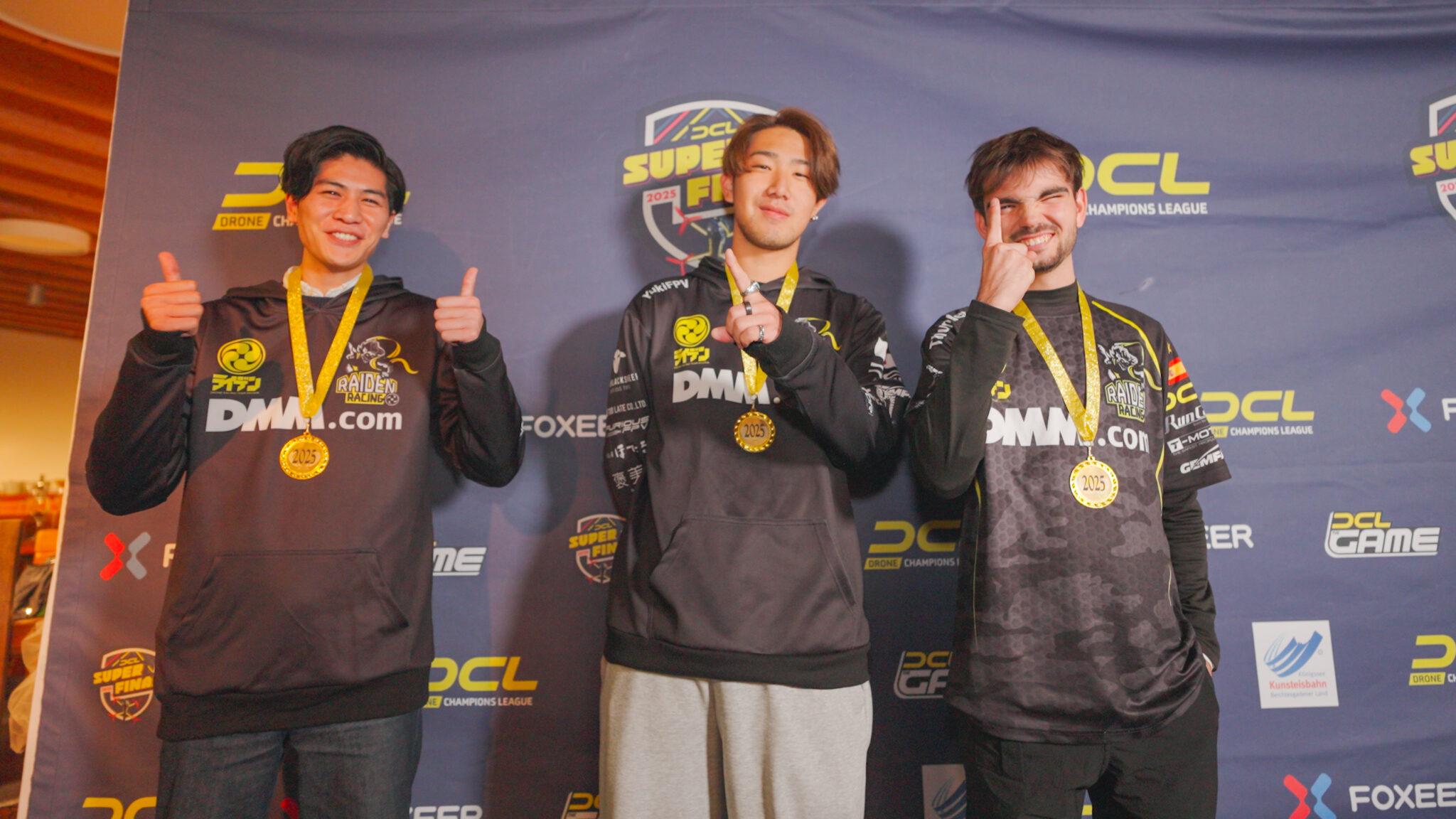
An overview of the elite drone racing teams and their pilots competing in the Drone Champions League, highlighting their bases, managers, and DCL tenure.
Drone Champions League: Meet the Teams and Pilots
The FPV Racing Pilot's Roadmap: From First Flight to First Finish Line – A Comprehensive Guide to Mastering the Track
Ever dreamed of soaring through a track at breakneck speeds, weaving through gates with precision, and experiencing the thrill of a real-life video game? Welcome to the exhilarating world of FPV racing! This ultimate guide is your roadmap, taking you from a curious beginner to a confident pilot ready to conquer the finish line. Whether you're looking for how to start FPV racing or advanced FPV racing tips and tricks, you've come to the right place.
The Thrill of the Race: What is FPV Racing?
FPV racing is more than just flying drones; it's a high-octane sport that combines lightning-fast reflexes, precise control, and strategic thinking. Pilots navigate custom-built drones through complex aerial tracks, often marked by gates, flags, and obstacles, all while experiencing the flight from the drone's perspective through specialized goggles.
Defining First-Person View (FPV) Racing
At its core, FPV racing involves flying a small, agile quadcopter equipped with a camera that transmits live video to a pilot's goggles. This "first-person view" creates an immersive experience, making the pilot feel as if they are onboard the drone itself. Races typically involve multiple pilots simultaneously competing to complete laps around a predefined course in the fastest time.
Why FPV Racing Captivates Pilots Worldwide
The allure of FPV racing is multifaceted:
- Adrenaline Rush: The sheer speed and agility of racing drones, often exceeding 150 km/h, provide an unmatched adrenaline rush.
- Skill Development: It demands incredible hand-eye coordination, spatial awareness, and quick decision-making, constantly pushing pilots to improve.
- Community & Competition: FPV racing is a vibrant global community, offering local meetups, national leagues, and international championships. The camaraderie and competitive spirit are highly addictive.
- Technical Fascination: From FPV racing drone setup to FPV racing build guide, the technical aspect of building, tuning, and repairing drones is a hobby in itself for many.
The Core Components of an FPV Racing Event
A typical FPV racing event usually includes:
- The Track: A designated area, often outdoors, featuring various FPV racing gates, flags, and obstacles that pilots must navigate.
- The Drones: Each pilot uses their own custom-built or pre-built racing quadcopter.
- The Pilots: Wearing FPV goggles, they control their drones with radio transmitters.
- Timing System: Advanced systems track lap times, often using transponders on each drone, to determine winners.
- Race Formats: Events can range from time trials to elimination heats, culminating in a final race.
Your First Flight Plan: Getting Started with FPV Racing
Jumping straight into FPV racing without preparation is like trying to drive a Formula 1 car without ever having driven. A structured approach is key to success and enjoyment.
Understanding the Learning Curve: Simulators First!
This cannot be stressed enough: start with an FPV racing simulator! Simulators like Velocidrone, DRL Simulator, or Liftoff are invaluable tools. They allow you to practice flying without the risk of damaging expensive equipment. You'll learn fundamental controls, build muscle memory, and understand flight physics in a safe, virtual environment. This is the absolute best way to begin your journey, saving you money and frustration.
Essential FPV Racing Equipment for Beginners
Before you even think about building, here's the core gear you'll need:
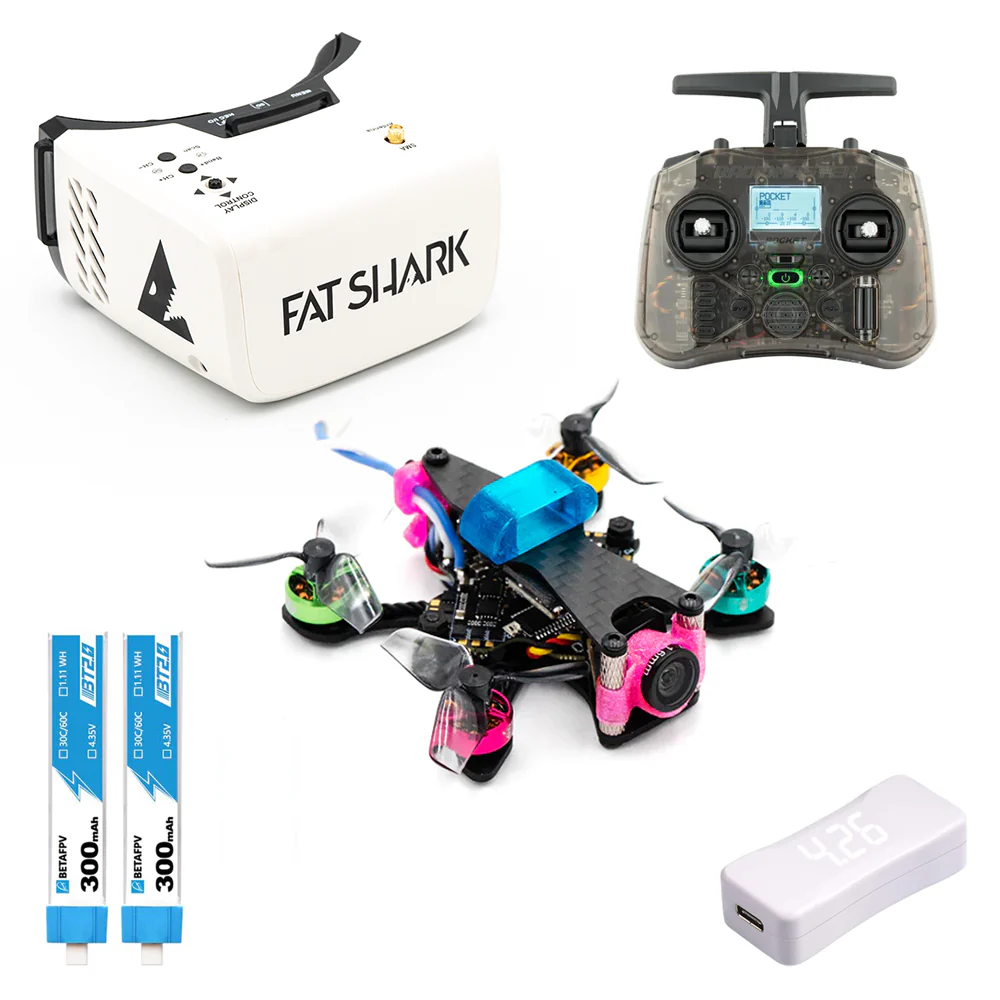
- Radio Transmitter (Controller): Your link to the drone. Popular beginner-friendly options include the Radiomaster Zorro, Radiomaster Pocket, or TBS Tango 2. These offer excellent ergonomics and reliable protocols like ELRS or Crossfire.
- FPV Goggles: Your immersive display. For beginners, a good balance of price and performance can be found in models like the Skyzone Cobra X (box goggles) or the Eachine EV800D. As you progress, you might eye premium options like Fat Shark HDO2 or DJI Goggles 2/Integra.
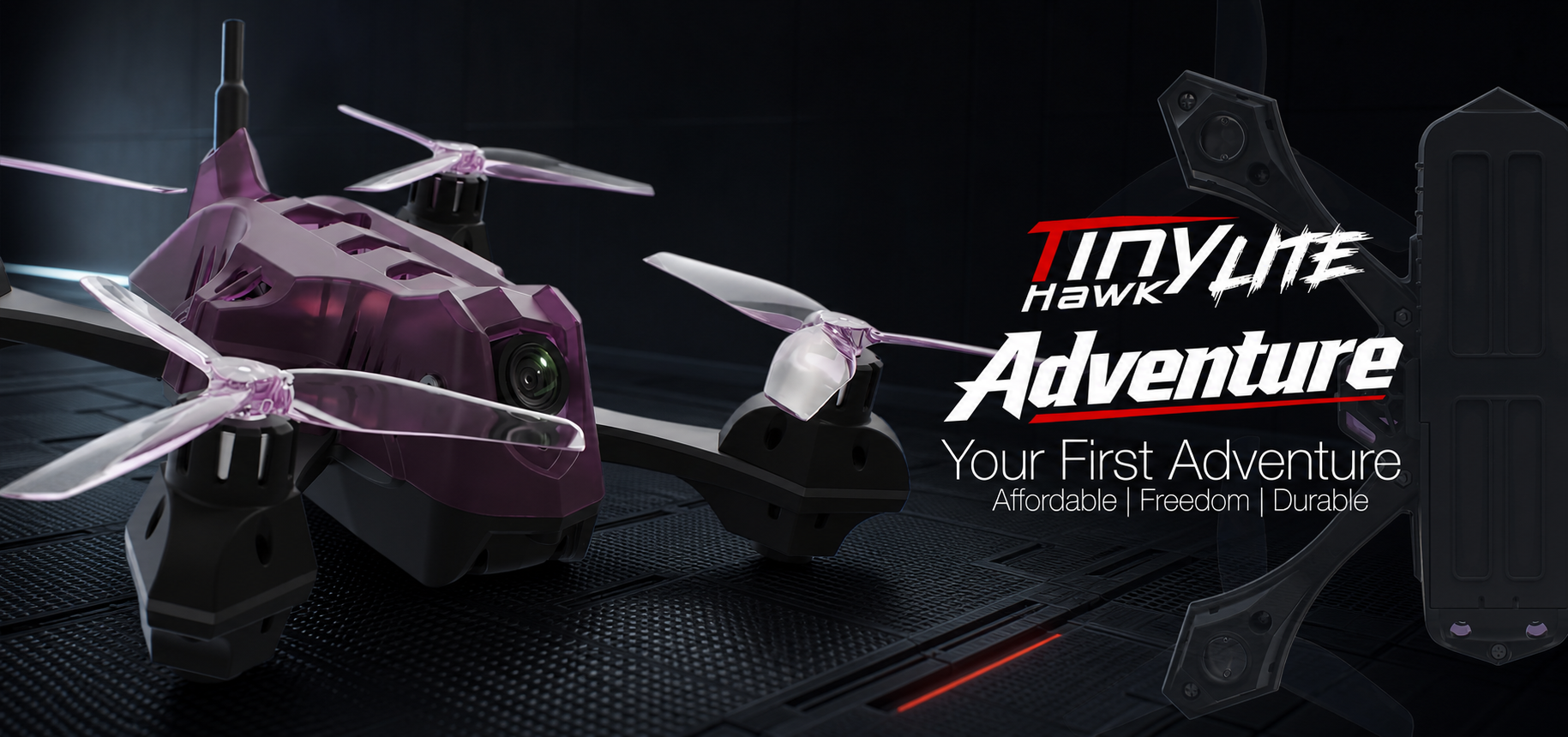
- FPV Racing Drone: For beginners, an RTF (Ready-To-Fly) or BNF (Bind-N-Fly) kit is highly recommended. These come pre-assembled and often include basic goggles and a controller. Examples include the Tinyhawk III Plus or BetaFPV Pavo20.
- Batteries & Charger: LiPo batteries are the power source. You'll need several batteries (e.g., 4S 850mAh to 1300mAh for a 5-inch drone) and a reliable balance charger like the ISDT Q6 Nano.
- Tools & Spares: Propellers, zip ties, a small screwdriver set, and spare parts are crucial for inevitable repairs.
Safety First: Rules, Regulations, and Best Practices
FPV drones are powerful machines. Always prioritize safety:
- Know Your Local Regulations: Research drone laws in your country/region regarding registration, no-fly zones, and maximum flight altitudes. In many places, flying FPV requires a spotter.
- Pre-Flight Checks: Always inspect your drone for loose props, damaged wires, and battery health before every flight.
- Choose Safe Flying Locations: Fly in open areas away from people, buildings, and airports. Never fly over crowds.
- Battery Safety: Handle LiPo batteries with care. Never overcharge, over-discharge, or puncture them. Store them in fire-retardant bags.
- Arming & Disarming: Understand your drone's arming procedure and have an easily accessible disarm switch on your radio.
Building Your Beast: FPV Racing Drone Setup & Components
While beginner kits are great, many pilots eventually delve into building their own drones. This section covers the essential components. For a deeper dive, search for an FPV racing build guide.
Anatomy of a Racing Drone: Frames, Motors, ESCs, Flight Controllers
- Frame: The backbone of your drone. Racing frames are typically lightweight carbon fiber, designed for durability and minimal air resistance. Popular sizes for racing are 5-inch frames (e.g., iFlight Nazgul5, GEPRC Mark5).
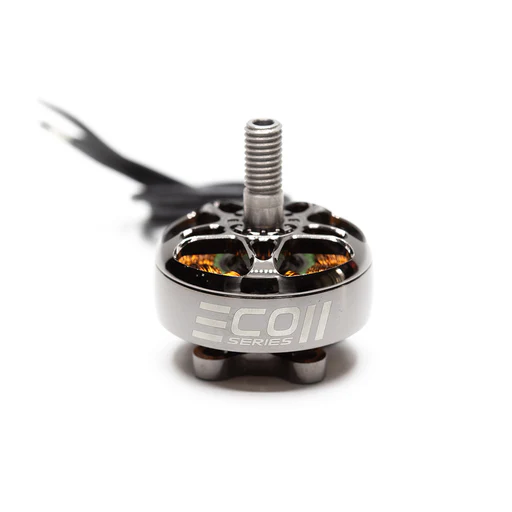
- Motors: Brushless motors provide the thrust. Measured in KV (e.g., 2207 1950KV), higher KV means higher RPM and speed, while lower KV offers more torque and efficiency.
- ESCs (Electronic Speed Controllers): These convert the flight controller's signals into power for the motors. Modern racing drones often use a 4-in-1 ESC board for a cleaner build. Look for high amperage ratings (e.g., 50A) for robust performance.
- Flight Controller (FC): The brain of the drone. It takes pilot input from the radio, sensor data (gyro, accelerometer), and processes it to control the ESCs and motors. Popular FCs run open-source firmware like Betaflight or EmuFlight.
The Video System: Camera, VTX, and Antenna Explained
The FPV system is what makes racing possible:
- FPV Camera: A small, low-latency camera (e.g., Caddx Ratel 2, RunCam Phoenix 2) mounted at the front of the drone. Key specs include latency, resolution, and dynamic range.
- VTX (Video Transmitter): Sends the camera's video signal wirelessly to your goggles. Power output (mW) determines range and penetration (e.g., Rush Tank Mini, TBS Unify Pro32 Nano). Always choose a VTX with adjustable power output.
- Antenna: Crucial for clear video. Circularly polarized antennas (e.g., Lumenier AXII 2, Foxeer Lollipop) are preferred for racing due to their resistance to multipathing interference.
Powering Your Flight: Batteries, Chargers, and Connectors
- LiPo Batteries: Lithium Polymer batteries are the standard. They are specified by voltage (S-count, e.g., 4S, 6S) and capacity (mAh). For 5-inch racing drones, 4S 1300mAh or 6S 1100mAh are common. "C" rating indicates discharge rate (e.g., Tattu R-Line batteries are known for high C-ratings).
- Chargers: A good balance charger (e.g., HOTA D6 Pro, ToolkitRC M8S) is essential for safely charging and maintaining your LiPo batteries.
- Connectors: XT60 is the most common battery connector for 5-inch drones. XT30 is used for smaller drones.
Initial Setup & Betaflight Configuration Essentials
Once your drone is built, the FPV racing drone setup continues with software configuration:
- Flash Firmware: Install the latest Betaflight firmware on your FC.
- Calibrate Accelerometer: Ensure the drone knows which way is up.
- Setup Receiver: Bind your radio to the drone's receiver and configure channels (roll, pitch, yaw, throttle).
- Configure Modes: Set up arming, disarming, angle mode (for beginners), acro mode (for racing), and a "turtle mode" to flip your drone after a crash.
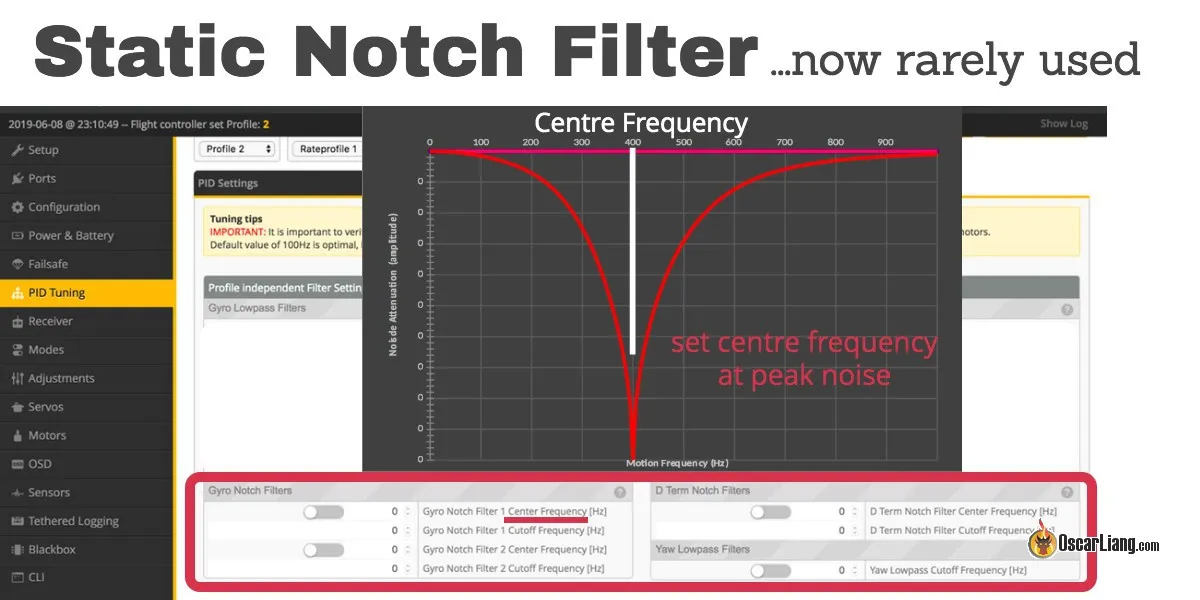
- PID Tuning (Advanced): This is where you fine-tune how the drone responds. For beginners, stock Betaflight PIDs are a great starting point. As you advance, you'll experiment with these to optimize performance for your specific drone and flying style.
- OSD (On-Screen Display): Configure crucial information like battery voltage, flight time, and RSSI (receiver signal strength) to display in your goggles.
Practical Tip: Always remove propellers when connecting your drone to Betaflight on your computer to prevent accidental spin-ups!
Mastering the Controls: Training, Drills, and Simulator Practice
Consistency and deliberate practice are the keys to becoming a fast FPV racer.
The Indispensable FPV Racing Simulator: Your Virtual Track
As mentioned, simulators are non-negotiable. Spend hours in Velocidrone or DRL Simulator. They offer realistic physics, track layouts, and even multiplayer modes to race against others. This is where you can crash repeatedly without consequence, experiment with settings, and build critical muscle memory.
Fundamental Flight Drills: Hovering, Turns, and Figure-8s
Start with the basics:
- Hovering: Learn to maintain a stable hover at a consistent altitude and position.
- Forward Flight: Practice flying in a straight line, maintaining altitude and heading.
- Controlled Turns: Execute smooth, controlled turns in both directions.
- Figure-8s: A classic drill that combines turns and straightaways, excellent for developing coordination.
- Gate Drills: Start with a single FPV racing gate and practice flying through it from different angles and speeds.
Progressive Practice: Gate Drills and Track Navigation
Once the fundamentals are solid, move to more complex scenarios:
- Multiple Gates: Set up a simple line of 2-3 gates and practice flowing through them.
- Cornering Practice: Focus on specific types of corners (hairpins, sweeping turns) and try different entry and exit strategies.
- Full Track Laps: Once comfortable, try to complete full laps on a virtual track, focusing on consistency before speed.
- Race Against Ghosts/AI: Many simulators allow you to race against ghost laps of your best times or AI opponents, providing a competitive edge to your FPV racing simulator training.
Fine-Tuning Your Controller: Rates, Expo, and Stick Feel
Your FPV racing controller settings are highly personal:
- Rates: Determine how quickly your drone responds to stick input. Higher rates mean faster rotations. Beginners often start with lower rates and gradually increase them.
- Expo: Adds a "dead zone" or reduced sensitivity around the center of the stick, making fine adjustments easier without affecting full stick deflection. This can make the drone feel less twitchy.
- Stick Feel: Experiment with your radio's gimbals (spring tension, stick length) to find what feels most comfortable and precise for you.
Practical Tip: Don't constantly change your rates. Find a comfortable setting and stick with it for a while to build muscle memory. Only adjust when you feel you've plateaued and need more responsiveness.
The Art of Speed: Advanced FPV Racing Techniques & Strategies
Once you're comfortable flying, it's time to refine your FPV racing techniques to shave off those crucial milliseconds.
Optimal Racing Lines and Cornering Techniques
- The Apex: Just like car racing, identifying and hitting the apex of a turn is crucial. This is the innermost point of the corner.
- Outside-Inside-Outside: The classic racing line involves entering a corner from the outside, hitting the apex on the inside, and exiting wide to maximize speed on the straightaway.
- Smoothness over Aggression: Often, a smooth, consistent line is faster than an aggressive, jerky one, as it maintains momentum.
- Roll vs. Yaw Turns: Understanding when to use a coordinated turn (roll and yaw together) for speed versus a pure yaw turn for tight maneuvers is key.
Mastering Throttle Management and Momentum Control
Throttle is your speed and altitude control:
- Momentum is King: Avoid abrupt throttle changes. Smoothly accelerate and decelerate to carry momentum through the track.
- Throttle Blips: Short bursts of throttle can help maintain altitude through turns or quickly adjust position.
- Power Through Turns: Sometimes, adding a little throttle mid-turn can help you "carve" through it faster, rather than just drifting.
Gate Negotiation: Precision, Flow, and Aggression
- Narrow Gates: Requires pinpoint accuracy. Focus on the center and fly through cleanly.
- Wide Gates: Allows for more aggressive lines. You can cut corners or take wider arcs to set up for the next obstacle.
- Consecutive Gates: Plan your line several gates ahead to ensure a smooth flow, avoiding awkward angles that slow you down.
- Aggression: As your skill grows, you'll learn when to be aggressive (e.g., pushing hard through a familiar section) and when to be conservative (e.g., a challenging gate you often miss).
Race Day Preparation: Mental Game and Drone Checks
- Pre-Race Inspection: Thoroughly check your drone, props, battery, and video system. Ensure everything is secure and functioning perfectly.
- Battery Management: Have enough charged batteries. Label them and rotate them to ensure even wear.
- Mental Focus: Stay calm. Walk the track (if possible) to visualize your lines. Don't let crashes or bad laps get to you. Focus on the next gate, the next lap.
- Spares: Always bring plenty of spare props, zip ties, and a basic toolkit. You never know when a minor crash might require a quick repair.
The Pilot's Arsenal: A Buyer's Guide to FPV Racing Gear
Choosing the right gear can make a big difference in your learning curve and enjoyment. Here are some recommendations for various stages.
Recommended Beginner FPV Racing Drone Kits (RTF/BNF)
- Tinyhawk III Plus (RTF/BNF): Excellent for indoor and light outdoor flying. Comes with basic goggles and a controller. Perfect for learning how to start FPV racing without breaking the bank.
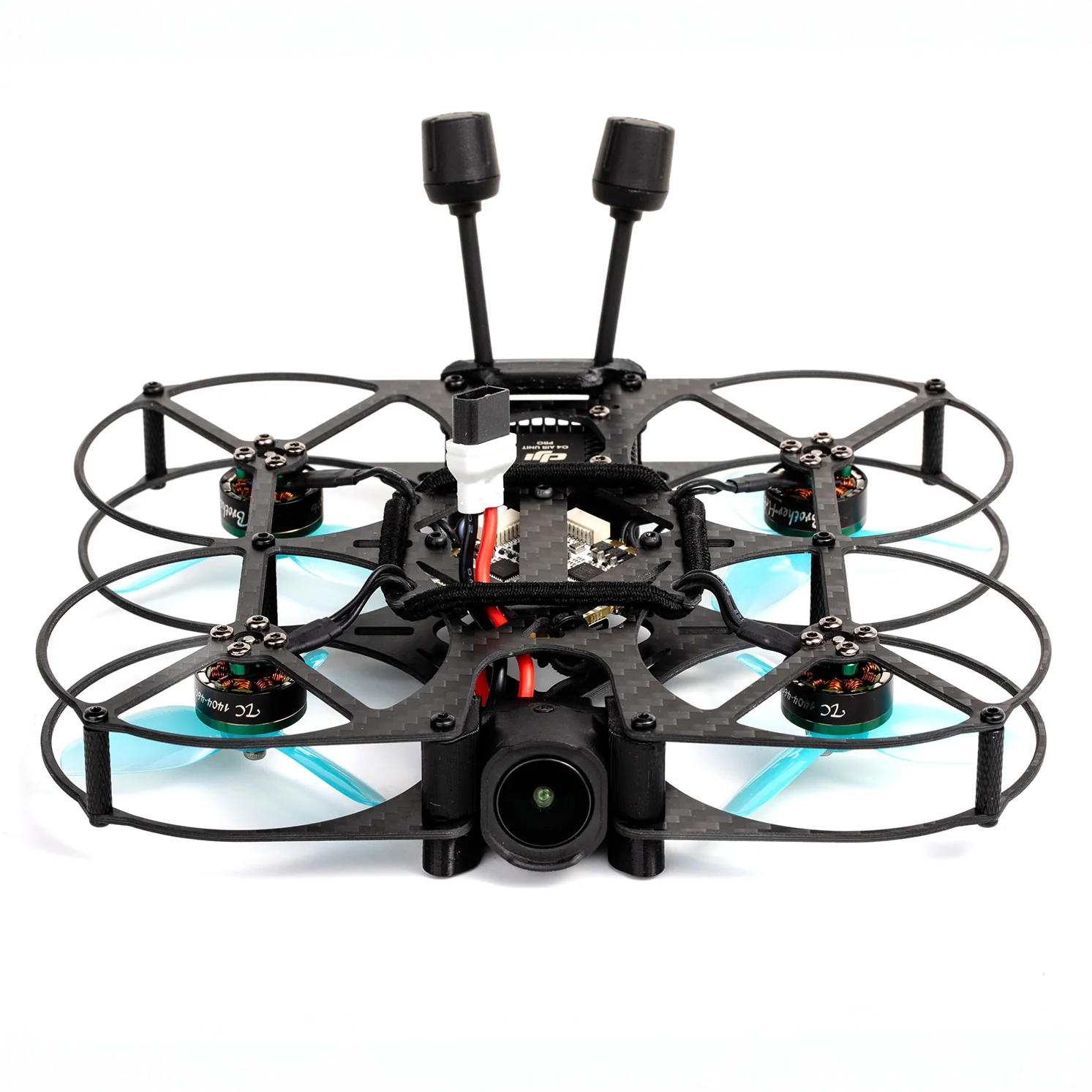
- BetaFPV Pavo20 (BNF): A slightly larger, more powerful cinewhoop-style drone that can handle light racing and freestyle. Requires separate goggles and radio.
- iFlight Nazgul Evoque F5D/F5X (BNF): A fantastic 5-inch racing drone for those ready to commit. Requires separate goggles and radio, but offers serious performance out of the box.
Choosing Your First FPV Goggles and Radio Controller
- Goggles:
- Budget Box Goggles: Eachine EV800D (analog). Good for starting out, but bulky.
- Mid-Range: Skyzone Cobra X (analog/digital compatible). A great step up, more compact.
- Premium: Fat Shark HDO2 (analog) or DJI Goggles 2/Integra (digital). For serious racers, offering superior image quality and immersion.
- Radio Controller:
- Budget-Friendly: Radiomaster Zorro or Radiomaster Pocket. Compact, feature-rich, and support modern protocols like ELRS.
- Mid-Range/Pro: TBS Tango 2 (Crossfire) or Radiomaster TX16S (multi-protocol). Offer more switches, better gimbals, and advanced features for serious pilots.
Upgrading Your Setup: Motors, ESCs, and Flight Controllers
Once you've outgrown your beginner setup, consider these upgrades for your FPV racing build guide:
- Motors: Upgrade to higher quality, more powerful motors like T-Motor F60 Pro IV or BrotherHobby Returner R5.
- ESCs: Look for 4-in-1 ESCs with higher current ratings (e.g., 60A) from brands like HGLRC or SpeedyBee for improved reliability and power delivery.
- Flight Controllers: Modern FCs with faster processors (e.g., F7 or H7) from brands like SpeedyBee or Holybro offer better performance and more features for advanced tuning.
Essential Accessories: Tools, Spares, and Batteries
- Tools: Hex driver set, soldering iron (for repairs), prop wrench, multimeter, zip ties, heat shrink.
- Spares: At least 2-3 sets of propellers, spare arms (for 5-inch frames), spare motors, VTX, camera, and receiver.
- Batteries: Invest in 5-10 high-quality LiPo batteries (e.g., Tattu R-Line, GNB) and a good parallel charging board to charge multiple batteries safely.
Frequently Asked Questions About FPV Racing
How do I get started with FPV racing if I've never flown a drone before?
Start with a simulator! Purchase a good radio controller and practice in a simulator like Velocidrone for many hours before buying your first physical drone. This builds muscle memory and saves you money on repairs.
What's the most important piece of equipment for a beginner FPV racer?
A quality radio transmitter (controller) is arguably the most important. It's the one piece of equipment you'll interact with constantly, and a good one will last you through many drone upgrades. Combine this with a simulator for the best start.
How long does it take to become a proficient FPV racing pilot?
Proficiency varies greatly by individual, but consistent practice (daily simulator sessions, regular real-world flights) can lead to basic competency in a few weeks to a couple of months. Becoming truly fast and competitive can take a year or more of dedicated practice.
Can I build my own FPV racing drone as a beginner?
While possible, it's generally recommended for beginners to start with an RTF (Ready-To-Fly) or BNF (Bind-N-Fly) kit. This allows you to focus on flying. Once you're comfortable flying, building your own drone from components becomes a fantastic learning experience and is a common progression path for many FPV enthusiasts.
What are some common mistakes new FPV racers make?
- Skipping the simulator: Leads to costly crashes and frustration.
- Buying expensive gear too early: You'll crash it. Start with durable, cheaper options.
- Not checking drone before flight: Loose props or bad battery connections lead to issues.
- Flying in unsafe locations: Puts people and property at risk.
- Giving up too soon: FPV racing has a steep learning curve, but perseverance pays off!
Ready to Take Flight? Your FPV Racing Journey Awaits!
From your first tentative flights in a simulator to carving precise lines on a physical track, the journey into FPV racing is incredibly rewarding. With dedication, practice, and the right knowledge, you'll soon be experiencing the unparalleled thrill of competitive drone racing. Are you ready to take the sticks? Dive in, start practicing, and join the vibrant FPV community today!
Copyright-safe media generated locally by FPVLovers