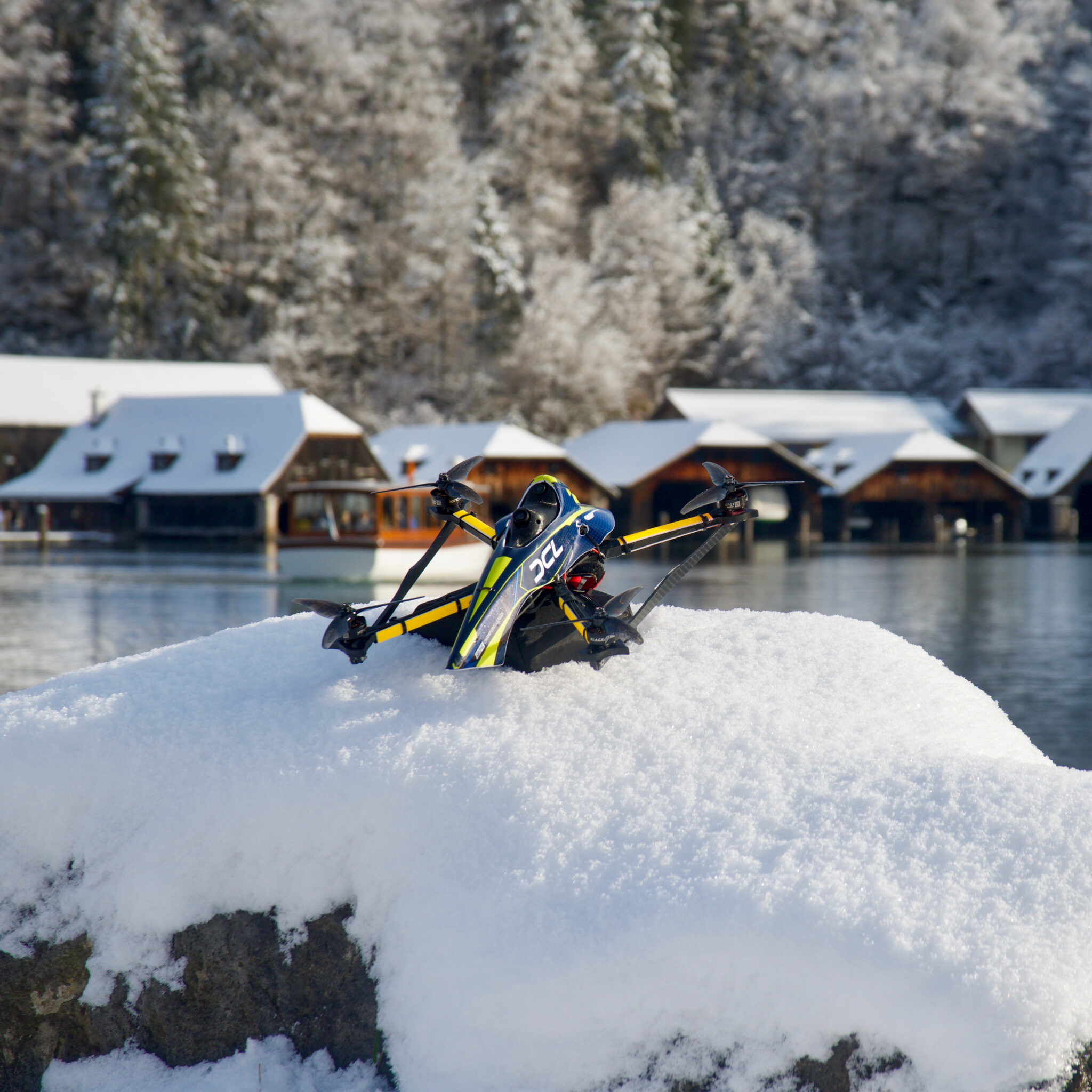
DCL Current Standings: Spain Drone Team Leads After Falcon, Eagle, and Hawk Cups
Reports on the latest team standings in the Drone Champions League, detailing points accumulated across the Falcon, Eagle, and Hawk Cups.
DCL Current Standings: Spain Drone Team Leads After Falcon, Eagle, and Hawk Cups
The FPV Racing Pilot's Progression: A Step-by-Step Tutorial from First Flight to First Race Win
Introduction: The Thrill of FPV Racing – Your Gateway to High-Speed Aerial Adrenaline
Ever dreamt of piloting a futuristic craft at breakneck speeds, weaving through gates and outmaneuvering rivals in a blur of adrenaline? FPV (First Person View) racing offers exactly that, transforming you into the cockpit of a high-performance drone. This comprehensive guide will take you from a curious beginner to a confident racer, ready to conquer the track. Get ready to dive into the exhilarating world of FPV racing, where skill, speed, and strategy combine for an unmatched aerial experience. If you're wondering how to start FPV racing, you've come to the right place.
1. What is FPV Racing and Why Should You Start?
Defining the Sport: High-Speed Drone Combat
FPV racing is a competitive sport where pilots navigate agile, high-speed drones through a defined course, often marked by gates, flags, and obstacles. Using FPV goggles, pilots experience the flight from the drone's perspective, creating an incredibly immersive and thrilling experience akin to sitting in the cockpit of a miniature jet. It's a blend of precision flying, quick reflexes, and strategic thinking, making it one of the most exciting and rapidly growing extreme sports today.
The Unmatched Immersion of First Person View
Unlike traditional RC flying where you observe the drone from a distance, FPV plunges you directly into the action. The live video feed from a camera mounted on the drone is transmitted to your goggles, giving you a true "first-person" perspective. This immersion allows for incredibly precise control and a sense of speed that's simply unparalleled, making every turn and acceleration feel intensely real.
Why FPV Racing Captivates Pilots Worldwide
FPV racing isn't just about speed; it's a holistic challenge. It demands technical understanding for drone building and tuning, hours of practice for piloting finesse, and a sharp mind for race strategy. The constant pursuit of improvement, the camaraderie within the community, and the sheer adrenaline rush of competitive flight are what draw pilots in and keep them hooked. It’s a sport where your personal skill directly translates to your performance on the track.
Understanding Different Race Formats and Classes
FPV racing isn't a one-size-fits-all sport. You'll find various race formats and drone classes, catering to different skill levels and preferences.
- MultiGP/Drone Racing League (DRL) Style: These are typically outdoor races with large 5-inch drones, focusing on speed through complex courses.
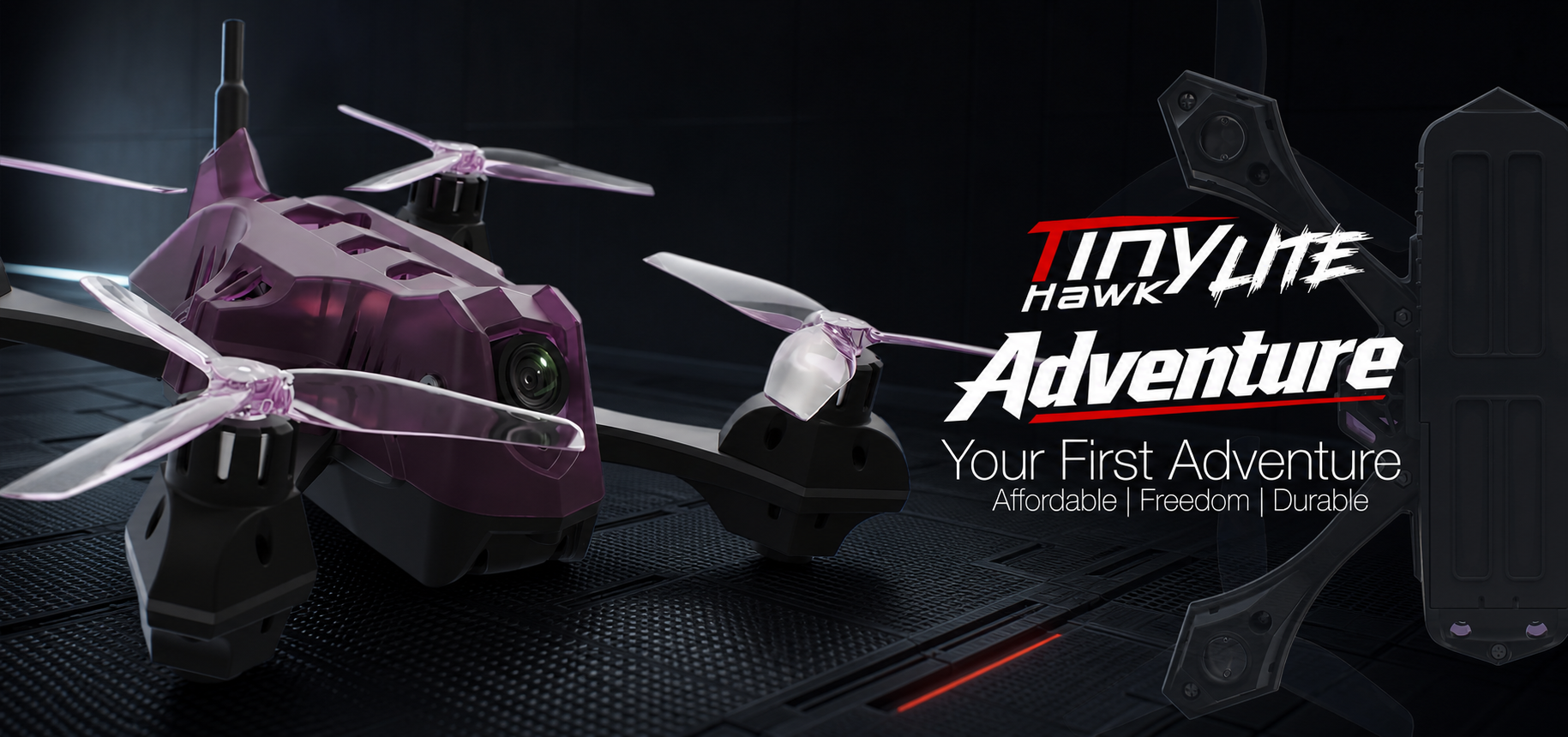
- Tiny Whoop Racing: Popular for indoor events, these races use small, ducted micro drones (like the Tiny Whoop). They're fantastic for beginners due to their durability and low impact, allowing practice in smaller spaces.
- Freestyle vs. Racing: While freestyle focuses on acrobatic tricks and creative flying, racing is purely about speed and navigating a course as quickly as possible. Many pilots enjoy both aspects.
2. Your Essential Arsenal: FPV Racing Gear Explained
To dive into the world of FPV racing, you'll need some specialized equipment. This "FPV racing gear explained" section covers the basics.
The Racing Drone: Brains and Brawn (5-inch, Toothpicks, Tiny Whoops)
The drone itself is the star of the show. While many types exist, for racing, you'll primarily encounter these:
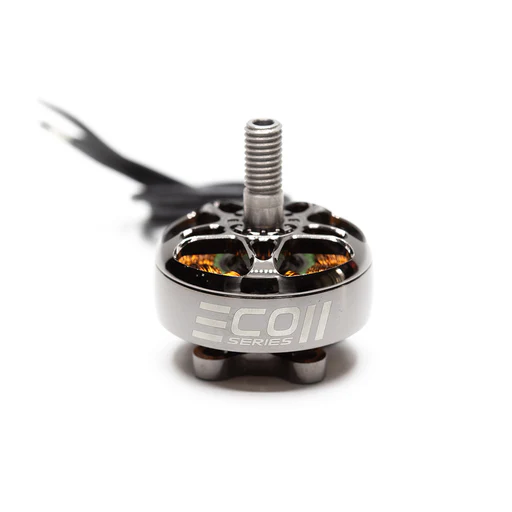
- 5-inch Racing Drones: These are the workhorses of competitive outdoor FPV racing. They typically use 5-inch propellers, powerful motors (e.g., 2207, 2306 size), and run on 4S or 6S LiPo batteries. They are incredibly fast and agile but can be daunting for absolute beginners due to their power and potential for damage. You can find many resources for 5-inch racing FPV drones & parts.
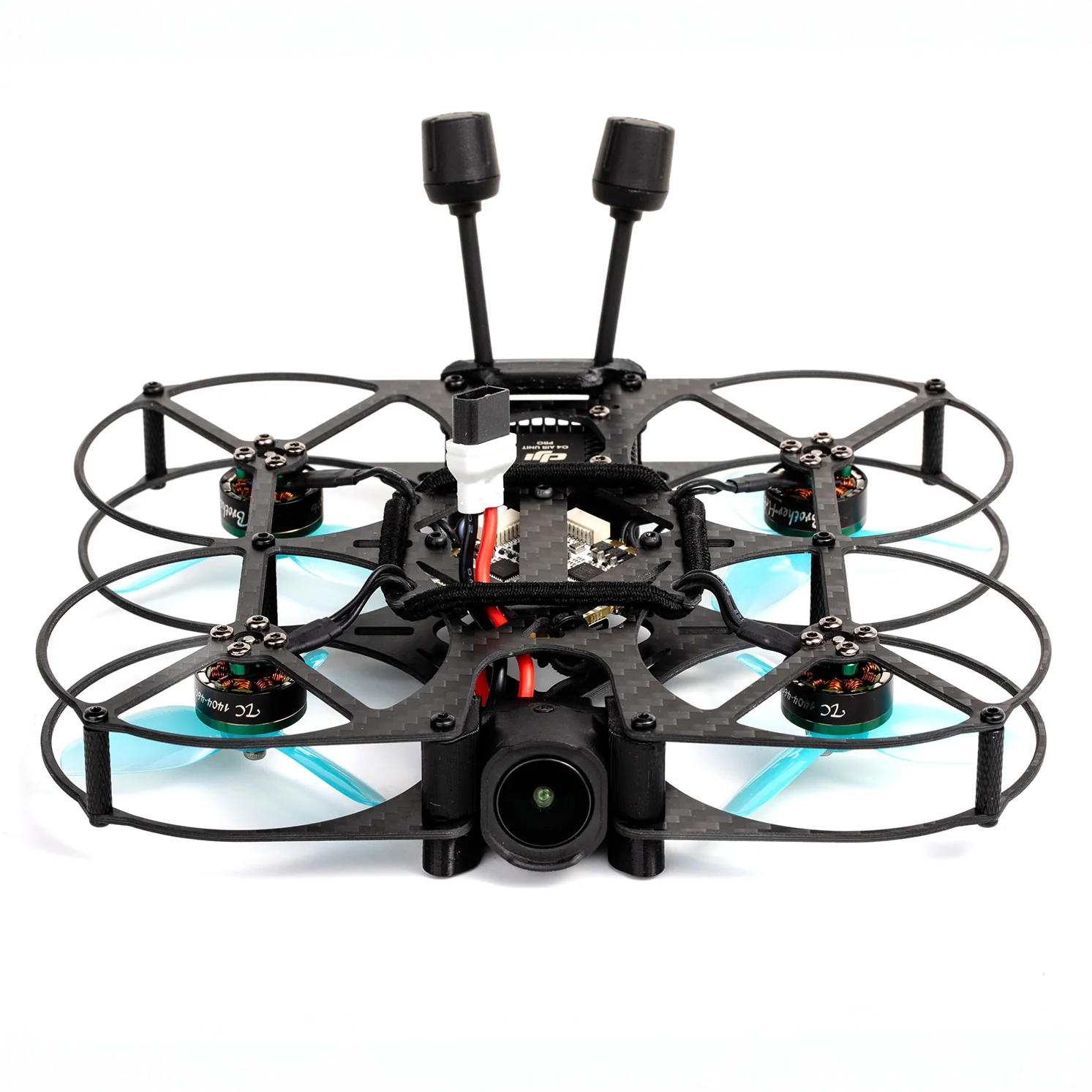
- Toothpick FPV Drones: A newer class, toothpick FPV drones are smaller, lighter, and often use 2.5-inch to 3.5-inch props. They offer a great balance of performance and portability, ideal for flying in smaller parks or even some larger indoor spaces. They're less intimidating than 5-inch quads but still offer a thrilling experience.
- Tiny Whoops / Micro Drones: These are the smallest and safest, often weighing under 250g. They're perfect for Tiny Whoop FPV drones & parts for indoor racing or backyard fun. Their ducted propellers make them crash-resistant and less likely to cause damage, making them the best FPV racing drone for beginners to learn basic controls.
FPV Goggles: Your Window to the Sky (Analog vs. Digital Systems)
Your goggles are your cockpit display. This is where you see the live video feed from your drone.
- Analog FPV Systems: The traditional choice, analog systems like those from Fat Shark or Skyzone offer low latency and are generally more affordable. They provide a "fuzzy" TV-like image but are highly responsive, which is crucial for racing.
- Digital FPV Systems: Systems like DJI FPV, Walksnail Avatar, and HDZero offer significantly clearer, high-definition video feeds. While initially more expensive, they provide an unparalleled visual experience. DJI's system is known for its robust link and excellent picture quality, while HDZero focuses on minimal latency for competitive racing. For a beginner, an analog system is often a more budget-friendly entry point, but digital is rapidly becoming the standard.
Radio Transmitter: Your Command Center and Connection
The radio transmitter (or controller) is how you command your drone.
- Protocol: Ensure your radio supports the same protocol as your drone's receiver (e.g., ELRS, Crossfire, FrSky). ExpressLRS (ELRS) is currently very popular for its long range, low latency, and affordability.
- Gimbal Type: Hall gimbals are generally preferred for their precision and durability over potentiometer gimbals.
- Popular Transmitters: Brands like Radiomaster (e.g., Zorro, Boxer, TX16S) and FrSky (e.g., Taranis X9D) offer excellent options for beginners and pros alike. A good radio is a long-term investment, so choose wisely.
Batteries, Chargers, and Essential Accessories for the Field
- LiPo Batteries: These are the power source for your drone. For 5-inch quads, you'll typically use 4S or 6S (cells in series) LiPo batteries, with capacities ranging from 1100mAh to 1500mAh. For Tiny Whoops, 1S batteries are common. Always buy multiple batteries (at least 4-6) for a decent flying session.
- LiPo Charger: A good balance charger (e.g., ISDT, HOTA) is crucial for safely charging and maintaining your LiPo batteries. Never leave batteries unattended while charging.
- Tools: A basic toolkit including hex drivers, propeller wrench, and zip ties is indispensable for field repairs.
- Spare Props: You will crash, and you will break propellers. Always carry plenty of spares!
3. Mastering the Virtual Track: Simulator Training for Success
Why Simulators are Non-Negotiable for Beginners
Before you even think about flying a real drone, FPV racing simulator practice is absolutely essential. Simulators allow you to learn fundamental controls, practice complex maneuvers, and crash countless times without damaging expensive equipment. This saves you money, time, and frustration, building critical muscle memory in a risk-free environment.
Top FPV Racing Simulators for Skill Development
Several excellent simulators are available, each with its strengths:
- VelociDrone: Highly realistic physics, excellent for competitive training. Many pro racers use it.
- DRL Simulator: Based on the Drone Racing League's tracks and drones, good for learning race lines.
- Liftoff: Great graphics, a wide variety of drones and environments, and a good community.
- Uncrashed: Known for its highly realistic physics and immersive environments.
- Tiny Whoop Go: Excellent for practicing indoor micro drone flying.
Effective Practice Routines and Drills to Build Muscle Memory
- Hovering & Gentle Turns: Start with basic hovering, flying in a square or circle, and gentle turns to get a feel for the sticks.
- Gate Practice: Set up simple gate courses. Focus on flying smoothly through them, not speed initially.
- Figure 8s & Power Loops: Progress to more complex maneuvers like figure eights and basic power loops.
- Consistency Drills: Choose a short track and try to complete laps consistently at a moderate speed, rather than going all-out and crashing.
- Adjusting Rates: Experiment with your drone's "rates" (how sensitive the sticks are) in the simulator to find what feels comfortable.
Transitioning from Simulator to Real-World Flying
The transition can be jarring. Real drones have inertia, wind affects them, and the sensation is different. Start in a large, open field with plenty of space. Begin with the basics you practiced in the sim – gentle takeoffs, hovering, and slow forward flight. Don't be discouraged if it feels harder at first; your simulator practice has built the foundation.
4. From Sim to Sky: Your First Flights and Fundamental Techniques
Understanding Flight Modes: Acro vs. Angle for Racing
- Angle Mode (Self-Leveling): In angle mode, the drone automatically levels itself when you release the sticks. This is excellent for beginners learning to hover and navigate, as it provides stability. However, it limits your maneuverability and speed, making it unsuitable for competitive racing.
- Acro Mode (Rate Mode): This is the standard for FPV racing and freestyle. In acro mode, the drone holds its last commanded angle. If you tilt forward, it will continue to fly forward until you command it to level out. This offers complete control and allows for advanced maneuvers and higher speeds, but it requires constant stick input and a lot of practice. Always practice in Acro mode in the simulator from day one.
Basic Maneuvers: Takeoff, Landing, and Stable Hovering
- Takeoff: Arm your drone, slowly increase throttle until it lifts off smoothly, then find a stable hover.
- Landing: Reduce throttle slowly, maintaining control over pitch and roll, until the drone gently touches down. Disarm immediately after landing.
- Stable Hovering: Practice holding a steady altitude and position. This builds crucial fine motor control.
Navigating Gates and Simple Tracks with Precision
Once comfortable with basic flight, start practicing flying through simple gates. Focus on:
- Line Choice: Aim for the center of the gate.
- Smoothness: Avoid jerky movements. Use gentle, continuous stick inputs.
- Throttle Control: Learn to manage your throttle to maintain altitude and speed through the course.
- Eye Tracking: Learn to look ahead through the course, rather than just at the gate you're currently flying through.
Safety First: Pre-Flight Checks and Responsible Flying
Safety is paramount in FPV.
- Pre-Flight Checks: Always inspect your drone for damage, loose props, or wires. Check battery voltage.
- Propellers: Ensure props are installed correctly and tightened. Always remove props when connecting to your computer or working on the drone.
- Location: Fly in open areas away from people, animals, and property. Check local regulations.
- Spotter: Ideally, fly with a spotter who can keep an eye on your drone in the real world while you're in your goggles.
- Battery Safety: Store LiPo batteries safely, charge them responsibly, and dispose of damaged batteries properly.
5. Beyond the Basics: Advanced Flying & Race Strategy
Mastering Cornering Techniques: Power Loops and Hairpins
- Power Loops: A fundamental racing technique where you fly over an obstacle (like a gate) and then quickly dive down the other side, maintaining speed. It requires precise throttle and pitch control.
- Hairpins: Tight turns around a pylon or gate. Practice different approaches: wide entry, tight apex, early exit to maintain momentum.
Optimizing Race Lines and Overtaking Strategies
- The Racing Line: This is the shortest and fastest path through a course. It often involves taking wide entries into turns, hitting the apex, and exiting wide to carry speed.
- Overtaking: Look for opportunities where rivals make mistakes or take inefficient lines. Sometimes a clean, consistent line is faster than an aggressive, risky overtake.
- Flow: Focus on maintaining momentum and smooth transitions between elements rather than bursts of speed followed by braking.
Developing Consistency and Speed for Competitive Edge
Speed comes with consistency. A pilot who can fly a clean, repeatable lap slightly slower than a pilot who crashes frequently will win every time. Practice specific sections of the track, focusing on perfect execution. Gradually increase your speed as your consistency improves. Record your flights and review them to identify areas for improvement.
The Mental Game: Focus, Strategy, and Race Day Preparation
Racing isn't just physical; it's mental.
- Course Walkthrough: Before a race, walk the physical course to visualize your lines and identify tricky sections.
- Warm-up: Take a few easy laps to get comfortable with the track and your drone's feel.
- Focus: Block out distractions. Concentrate on your flight.
- Strategy: Decide whether you're going for a clean, consistent race or if you need to push harder to catch someone.
- Breathing: Stay calm and focused. Deep breaths can help manage pre-race jitters.
6. The FPV Racing Buyer's Guide: Choosing Your First Setup
If you're looking for an FPV racing setup guide, this section breaks down your options.
Ready-to-Fly (RTF) vs. Bind-and-Fly (BNF) vs. Build-Your-Own Kits
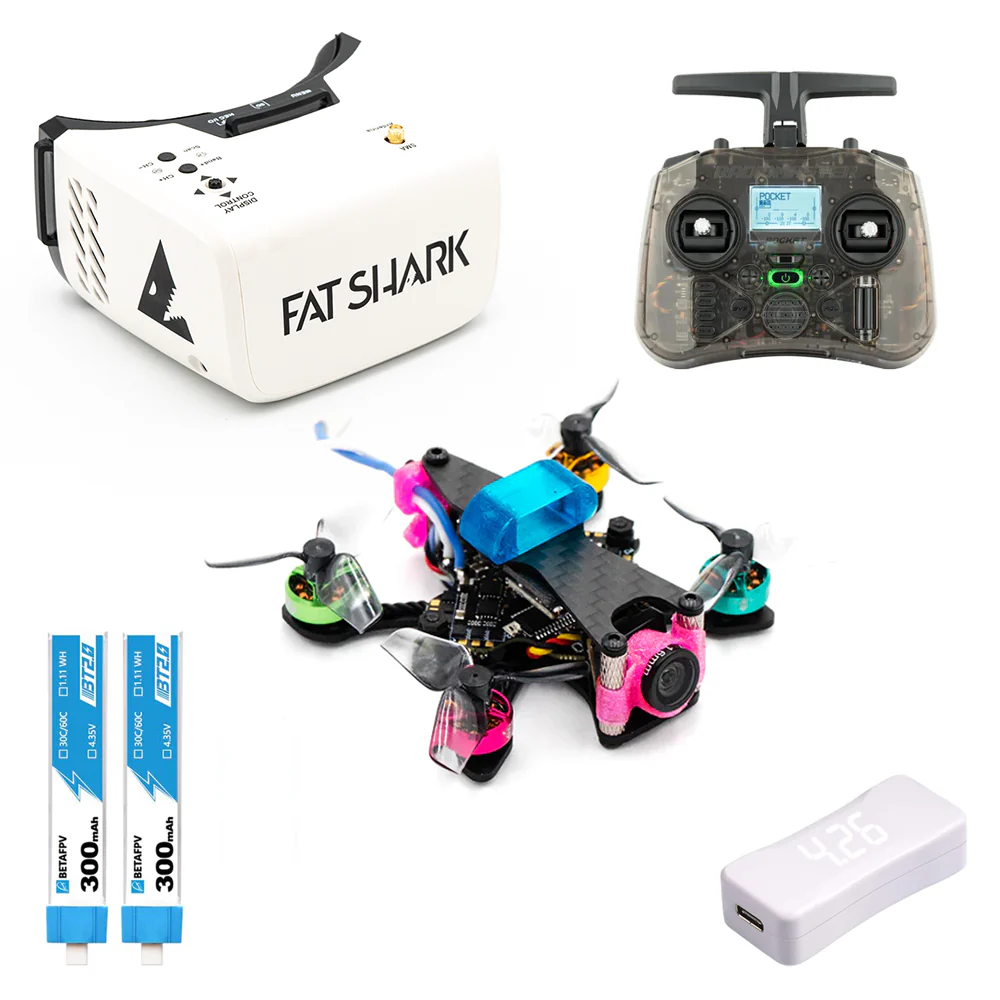
- Ready-to-Fly (RTF): These kits include everything you need to start: drone, radio, and goggles. They are the easiest way to get into the hobby, as they require minimal setup. Examples include the Eachine Novice-III or BetaFPV Cetus Pro Kit.
- Bind-and-Fly (BNF): These drones come fully assembled but don't include a radio or goggles. You'll need to "bind" them to your existing radio. This is a popular option if you already have a good radio and want to upgrade your drone.
- Build-Your-Own Kits: For the technically inclined, building your own drone offers the deepest understanding of the components and allows for customization. It's more challenging but incredibly rewarding.
Recommended Beginner Drone Kits and Components (e.g., 5-inch, Tiny Whoop)
For absolute beginners, we highly recommend starting with a Tiny Whoop or similar micro drone.
- Tiny Whoop Kits: Look for kits like the BetaFPV Cetus Pro or Happymodel Mobula7 (which can be purchased as BNF or RTF versions). These are durable, safe, and fantastic for indoor practice.
- Entry-Level 5-inch: If you're confident after extensive simulator practice and want to jump into a 5-inch, consider a BNF option like the iFlight Nazgul Evoque F5 or a GEPRC Smart35. Pair it with a Radiomaster Zorro and Skyzone Cobra X goggles for a solid intermediate setup.
Budgeting for Your FPV Racing Journey: What to Expect
How much does it typically cost to enter the world of FPV racing? It varies widely:
- Budget Entry (Tiny Whoop RTF): Expect to pay around $200-$400 for a full RTF kit (drone, basic radio, basic goggles).
- Mid-Range (Good Radio, Analog Goggles, BNF 5-inch): This could cost anywhere from $500-$1000. A good radio alone can be $100-$200, analog goggles $200-$400, and a BNF 5-inch drone $250-$450.
- High-End (Digital System, Custom Build): This can easily exceed $1000-$1500+, especially with digital FPV systems like DJI or HDZero.
Remember to budget for spare parts (especially propellers!), extra batteries, and a good charger.
Where to Buy Your Gear: Trusted Retailers and Communities
- Online Retailers: Reputable stores like GetFPV, RaceDayQuads, RDQ, Banggood, AliExpress, and FPVMarket are go-to sources for drones, parts, and accessories.
- Local FPV Shops: If you're lucky enough to have one, local shops offer personalized advice and support.
- FPV Communities: Join online forums (e.g., Rotor Riot, FPVLab), Discord servers, and local FPV clubs. These are invaluable resources for advice, buying/selling used gear, and finding flying spots.
Frequently Asked Questions (FAQ)
How much does it typically cost to start FPV racing?
As mentioned above, you can start with a basic Tiny Whoop RTF kit for $200-$400. A more serious entry with a good radio, analog goggles, and a BNF 5-inch drone might be $500-$1000. High-end setups with digital FPV can easily go over $1000.
Do I need to build my own drone to get into FPV racing?
No, you don't. While building your own drone provides valuable knowledge, Ready-to-Fly (RTF) and Bind-and-Fly (BNF) options are readily available and allow you to get flying much faster. Many competitive racers fly BNF drones.
How long does it take to get good at FPV racing?
This varies greatly depending on individual aptitude and practice time. With consistent simulator practice (30-60 minutes daily) for a few weeks, you can gain basic proficiency. To become truly "good" and competitive might take months to a year or more of dedicated practice, both in the sim and in real life. Consistency is key.
Is FPV racing dangerous, and what safety precautions should I take?
FPV racing can be dangerous if not approached responsibly. Drones are fast and powerful. Safety precautions:
- Always fly in open areas, away from people, animals, and property.
- Perform pre-flight checks.
- Remove propellers when working on the drone or connecting it to a computer.
- Use a spotter.
- Understand and follow local drone regulations.
- Handle LiPo batteries with extreme care.
Can I practice FPV racing indoors, especially as a beginner?
Absolutely! Practicing indoors, especially with Tiny Whoops or similar micro drones, is an excellent way for beginners to learn without much risk of damage or injury. The smaller scale helps develop precise control in a safe, controlled environment. Many FPV pilots start their journey this way.
Conclusion: Your FPV Racing Journey Begins Now!
You've now got the roadmap to enter the thrilling world of FPV racing. From understanding the essential gear and mastering simulator skills to executing advanced maneuvers and strategizing for your first race, the path is clear. The FPV community is vibrant and welcoming, ready to support you every step of the way. Don't just dream of flying – grab your gear, hit the sim, and start your engines. The gates are open, and your first race win awaits! Join an FPV community today and share your journey!
Copyright-safe media generated locally by FPVLovers