Best LiPo Chargers for FPV: Safety-First Buying Guide
A safety-first commercial guide for charger selection that avoids risky oversimplification.
Introduction: The Unsung Hero of Your FPV Setup
Every FPV pilot knows the thrill of flight, the adrenaline of a power loop, or the precision of a gap dive. But behind every successful session, every perfectly executed trick, and every long-range adventure, there's a critical piece of equipment often overlooked: the LiPo charger. It's not just about replenishing power; it's about battery longevity, safety, and ultimately, the consistent performance of your drone. Investing in the right LiPo charger is as crucial as choosing the right motors, flight controller, or FPV goggles. This comprehensive guide will help you navigate the myriad of options available and find the best LiPo charger for your FPV drone needs, ensuring you charge smarter and fly longer.
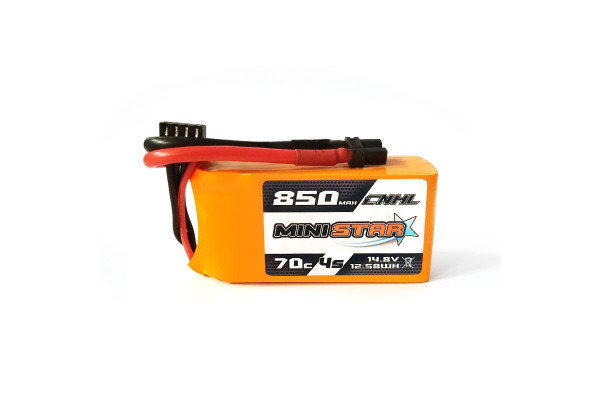
Why a Quality LiPo Charger is Non-Negotiable for FPV Pilots
Your LiPo batteries are the heart of your FPV system. A cheap, unreliable charger isn't just inefficient; it's a direct threat to your batteries' health and potentially your safety. A quality charger is an investment that pays dividends in battery lifespan, consistent performance, and peace of mind.
The Science of LiPo Charging: Balance & Storage
Understanding the fundamentals of LiPo charging, particularly balance charging, is vital. Unlike older battery technologies, LiPo packs consist of multiple individual cells wired in series. For example, a 4S LiPo has four cells, and a 6S LiPo has six. Each of these cells must be charged to the exact same voltage (typically 4.2V per cell when fully charged). A good charger ensures this precise balance, preventing imbalances that can lead to reduced performance, premature battery degradation, or even dangerous failures like puffing or thermal runaway.
Equally important is storage mode. When you're not planning to fly for an extended period, LiPo batteries should never be left fully charged or fully discharged. A quality charger's storage mode will bring each cell to a safe intermediate voltage (typically 3.80-3.85V per cell), which significantly extends the battery's lifespan and minimizes the risk of damage when inactive. This single feature alone can save you a lot of money in replacement batteries.
Critical Safety Features to Prioritize
LiPo batteries are powerful energy sources, but they require careful handling. A high-quality charger comes equipped with essential safety features that act as your first line of defense against potential hazards, safeguarding both your batteries and your workspace. Look for:
- Over-voltage protection: Prevents charging cells beyond their safe maximum voltage (4.2V).
- Over-current protection: Stops charging if the current drawn exceeds safe limits.
- Reverse polarity protection: Essential for preventing damage if a battery is accidentally connected incorrectly.
- Temperature monitoring: Many chargers include a port for an external temperature sensor, allowing the charger to halt or reduce charging if the battery gets too hot. Some even have internal temperature sensors.
- Short-circuit protection: Prevents damage from accidental shorts.
These features are non-negotiable and provide crucial peace of mind, especially when dealing with high-power FPV batteries.
Maximizing Battery Life and Performance
Proper charging practices, facilitated by a capable charger, directly impact the lifespan and performance of your FPV batteries. Consistent, balanced charging at appropriate rates prevents premature degradation, ensuring your batteries deliver their full capacity and punch for more cycles. Overcharging or undercharging, even slightly, can significantly shorten a LiPo's life. A good charger with accurate cell voltage detection and precise balance capabilities ensures your batteries remain healthy, giving you more flights and better performance throughout their lifecycle.
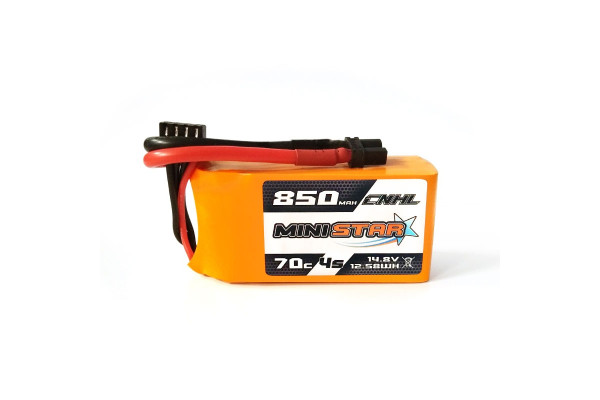
AC vs. DC: Choosing Your Power Source
One of the first decisions you'll make when selecting a charger is its power input type. Both AC and DC chargers have their advantages, and many modern options offer a hybrid solution.
AC Chargers: Simplicity for Home Use
AC (Alternating Current) chargers plug directly into a standard wall outlet (e.g., 100-240V AC). They are incredibly convenient for home use, often simpler to operate, and typically include a built-in power supply. This means fewer cables and less clutter. They are ideal for pilots who primarily charge at a fixed location, such as their workbench or desk. While generally less powerful than their DC counterparts, many AC chargers offer sufficient wattage for charging a few 4S or 6S batteries at a reasonable rate.
DC Chargers: Power & Portability
DC (Direct Current) chargers require an external power supply, such as a dedicated bench power supply, a car battery, or a larger server power supply conversion. They offer significantly greater power output and flexibility, making them incredibly popular among racers and those who frequently charge at the field, a flying spot, or in a vehicle. Their portability is a significant advantage for on-the-go charging, allowing you to top up batteries between heats or sessions. However, remember you'll need to factor in the cost and bulk of a separate power supply.
The Hybrid Solution: AC/DC Combo Chargers
For ultimate versatility, many modern chargers offer both AC and DC input capabilities. These "combo" chargers provide the convenience of plugging into a wall at home with their integrated power supply and the raw power and portability of DC charging at the field when connected to an external power source. This "best of both worlds" approach makes them a popular choice for pilots who need flexibility in their charging setup.
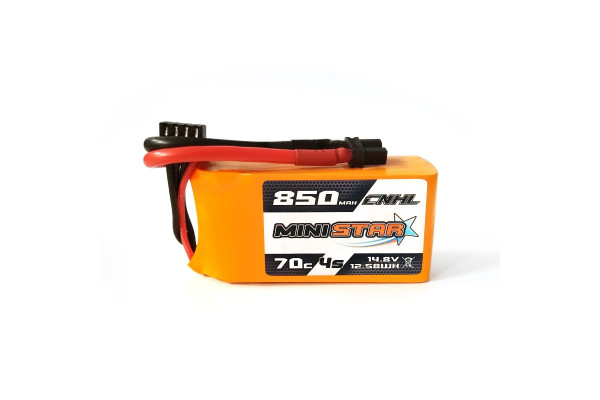
Mastering Multi-Battery Management: The Art of Parallel Charging
For FPV pilots with multiple batteries – which is virtually every pilot – parallel charging is a game-changer. It allows you to charge many batteries simultaneously, drastically cutting down on charging time.
Benefits and Risks of Parallel Charging
Benefits:
- Time-saving: Charge 4-6 batteries in roughly the same time it takes to charge one.
- Efficiency: Maximizes the use of your charger's output.
Risks:
- Safety: Requires strict adherence to safety protocols. Improper use can lead to short circuits, fires, or explosions.
- Battery condition: All batteries must be in similar states of charge and health.
Essential Parallel Charging Equipment
To parallel charge safely, you'll need:
- A high-quality parallel charging board (paraboard): This board connects multiple batteries to a single charger output. Ensure it matches your battery connectors (e.g., XT60, XT30, PH2.0 for 1S) and cell count.
- Fused paraboards: These offer an extra layer of protection against short circuits, as individual fuses will blow before damaging the charger or batteries. Boards like the ProgressiveRC Safe Parallel Charge Board or ISDT PC-4860 are popular choices.
- A powerful charger: Your charger must be capable of handling the combined current and wattage of all batteries being charged simultaneously.
Best Practices for Safe Parallel Charging
- Same Cell Count: ALWAYS ensure all batteries connected in parallel have the same cell count (e.g., all 4S or all 6S). Mixing cell counts is extremely dangerous and can cause immediate damage.
- Similar Voltage: All batteries should be within 0.1-0.2V per cell of each other before connecting. For example, if you're charging 4S batteries, a range of 3.7V to 3.8V per cell is acceptable, but don't mix a fully discharged 3.3V/cell battery with a 4.0V/cell battery. The voltage difference can cause a large current rush.
- Never Exceed Limits: Never exceed your charger's maximum wattage or current output. Calculate the total current needed (e.g., six 1300mAh batteries at 1C = 6 * 1.3A = 7.8A).
- Monitor: Always monitor the charging process, especially when parallel charging. Charge in a fire-safe location, away from flammable materials.
- Inspect Batteries: Before and after charging, inspect batteries for puffing, damage, or excessive heat.
Top LiPo Chargers for FPV Pilots: Categories & Recommendations
Choosing the "best" charger depends heavily on your specific needs, budget, and flying habits. Here are some top recommendations categorized by pilot type.
The Budget-Friendly & Beginner's Choice
For new pilots or those on a tight budget, chargers that offer essential features without breaking the bank are ideal. These often include basic balance charging, storage mode, and simple interfaces, perfect for getting started with 1-4S batteries.
- ISDT Q6 Nano / Q6 Pro: While technically DC-only, the Q6 series (especially the Nano for its tiny size) is incredibly popular due to its intuitive interface, compact form factor, and solid performance. It's affordable, can handle up to 6S, and is perfect when paired with an inexpensive 12V power supply. The Nano offers 200W of power, while the Pro goes up to 200W with 8A charging.
- ToolkitRC M4 Pocket: Similar to the ISDT Q6 Nano in philosophy, this tiny DC charger is another excellent budget option. It's incredibly compact, supports up to 4S or 6S depending on the model, and features a clear color display. At around 80W, it's great for single-battery charging or light parallel charging.
- SkyRC E3 / E4Q: Simple, AC-input chargers designed for beginners. The E4Q can charge up to 4S and is very straightforward. Not a powerhouse, but gets the job done safely for smaller packs.
The Travel Companion: Compact & Versatile
Pilots who frequently travel or charge at various locations will appreciate compact, lightweight chargers. Many of these offer DC input for field charging or integrated AC power supplies for convenience on the go, often supporting up to 6S batteries.
- Hota D6 Pro / D6 Dual: These are excellent AC/DC dual-channel chargers. The D6 Pro offers 200W AC / 650W DC per channel, supporting up to 6S. Its compact size, dual ports (allowing you to charge two different batteries simultaneously), and robust build make it a favorite for travel and field use. The D6 Dual steps up the power even more.
- HTRC T240 DUO: Another popular AC/DC dual-channel option. It provides 120W AC or 240W DC total, split across two channels. It's compact, user-friendly, and offers good value for pilots needing to charge two batteries at once without needing extreme power.
The Powerhouse: For Racers & High-Volume Pilots
Serious racers and pilots with extensive battery collections demand high-wattage, multi-channel chargers capable of rapidly charging numerous 6S LiPos. These chargers prioritize speed, efficiency, and advanced features, often featuring robust cooling.
- iCharger X8 / X6: Considered by many to be the gold standard for high-power DC charging. The iCharger X8 boasts an incredible 1100W of power (up to 8S), while the X6 offers 800W (up to 6S). These are single-channel chargers, but their immense power allows for very fast parallel charging of many large batteries. They are known for their accuracy, reliability, and advanced settings, though they require a robust external power supply.
- ToolkitRC M8S / M7: These DC chargers offer excellent power-to-size ratios and are very feature-rich. The M8S provides 400W and can handle up to 8S, while the M7 is a compact 300W 6S charger. They are popular for their intuitive scroll wheel interface, comprehensive monitoring, and even servo testing capabilities.
The Ultimate Home Station: Multi-Port & Smart Solutions
For a dedicated charging station, multi-port chargers with smart features offer unparalleled convenience.
- SkyRC Q200: As noted in our knowledge base, the SkyRC Q200 is one of the best drone LiPo battery chargers for a home setup. It's an AC/DC quad-channel charger, meaning it has four independent charging ports. This allows simultaneous charging of various battery types and sizes (e.g., a 1S, a 3S, a 4S, and a 6S all at once), complete with detailed data logging and app control via Bluetooth. Each channel offers 100W on AC or 120W on DC, making it highly versatile for managing a large and diverse battery fleet without needing multiple chargers. Its comprehensive features and reliability make it a top choice for a permanent charging station.
- ISDT K4: A powerful AC/DC dual-channel charger (200W AC, 600W DC per channel) that can handle up to 8S. It's known for its incredibly user-friendly interface and robust build quality, perfect for pilots who want a dedicated station that can rapidly charge two high-cell-count packs.
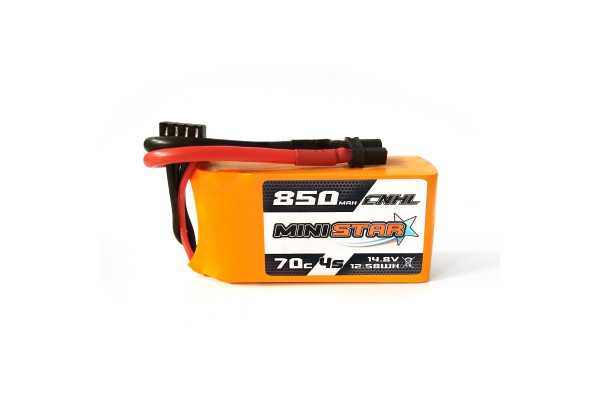
Buyer's Guide: How to Choose the Perfect FPV LiPo Charger
With so many options, making the right choice can feel daunting. Here’s a breakdown of key considerations:
Matching Charger Power to Your Battery Fleet
- Cell Count (S): Identify the highest cell count (e.g., 1S, 4S, 6S) of the batteries you use most frequently. Ensure your chosen charger supports this. Most FPV quadcopters now use 4S or 6S.
- Capacity (mAh): Consider the capacity of your batteries. A charger's wattage output directly determines how fast and how many batteries it can charge. To calculate the required wattage for a 1C charge:
Wattage = (Battery Voltage * Battery Capacity in Ah). For example, a 1300mAh 4S LiPo (1.3Ah * 14.8V nominal = 19.24W). If you want to charge six of these at 1C, you'd need roughly 115W. If you want to parallel charge six 1500mAh 6S LiPos (1.5Ah * 22.2V nominal = 33.3W) at 1C, you'd need 6 * 33.3W = 199.8W. - Parallel Charging: If you plan on parallel charging, you'll need a much higher wattage charger. A good rule of thumb is to aim for a charger with enough power to comfortably charge your largest batteries at your desired rate (e.g., 2C or more if your batteries support it), especially when parallel charging a full board.
Understanding Charge Rate (C-Rating) and Wattage
- Charge Rate (C-Rating): The charge rate, often expressed as a C-rating (e.g., 1C, 2C), dictates how quickly a battery can be charged. A 1C charge means charging at a current equal to the battery's capacity (e.g., 1300mAh battery at 1.3A). While 1C is generally safe, many modern LiPos can handle higher rates (e.g., 2C or even 5C) for faster charging. Always check your battery manufacturer's recommendations.
- Wattage (W): This is the charger's total power output. It's the most critical specification.
Watts = Volts x Amps. If you have a 200W charger, and you're charging a 6S LiPo (approx. 25.2V fully charged), the maximum current you can deliver is200W / 25.2V = ~7.9A. If you wanted to charge four 1500mAh 6S batteries at 1C (1.5A each, total 6A), a 200W charger would be sufficient. But if you wanted to charge them at 2C (3A each, total 12A), you'd need12A * 25.2V = ~302W. Always ensure your charger's wattage is sufficient to deliver the desired current at your battery's voltage for your chosen charge rate and number of batteries.
Connectivity, User Interface, and Software Updates
- User Interface: Look for chargers with intuitive user interfaces, clear displays (color LCDs are a big plus), and easy-to-navigate menus. A good UI makes setup and monitoring much simpler.
- Connectivity: USB connectivity for firmware updates is a valuable feature. This ensures your charger remains compatible with future battery technologies and benefits from performance improvements or bug fixes. Some advanced chargers also offer Bluetooth or Wi-Fi connectivity for app control and monitoring from your smartphone, providing detailed graphs and data logging.
- Connectors: Ensure the charger or its included cables are compatible with your battery connectors (XT60, XT30, PH2.0). If not, you'll need adapters or to solder new connectors.
Frequently Asked Questions (FAQs)
What features are essential in a good FPV LiPo charger?
Essential features include balance charging, storage mode, multiple safety protections (over-voltage, over-current, reverse polarity, short-circuit), a clear and intuitive display, and sufficient wattage for your battery types and desired charging speed.
How do I choose between an AC and DC LiPo charger for FPV?
Choose an AC charger for convenience if you primarily charge at home or a fixed location. Opt for a DC charger if you need higher power output, portability for field charging, or already own a suitable external power supply. AC/DC combo chargers offer the best of both worlds, providing flexibility for both home and field use.
Is parallel charging safe, and what equipment do I need?
Yes, parallel charging is safe when done correctly and with the right equipment. You need a high-quality parallel charging board (paraboard) with appropriate connectors and fuses, and a charger capable of handling the combined current and wattage. Always ensure batteries have the same cell count and similar voltages (within 0.1-0.2V per cell) before connecting them.
What are the best LiPo chargers for different FPV battery sizes (e.g., 1S, 4S, 6S)?
For 1S batteries (like those for Tiny Whoops), simpler USB-powered chargers or dedicated multi-port 1S chargers often suffice. For 4S-6S batteries, you'll need a dedicated balance charger with adequate wattage. High-power multi-port or single-channel DC chargers (like the SkyRC Q200 or iCharger X8) are best for managing a fleet of 6S batteries efficiently, especially with parallel charging.
How can I extend the life of my FPV LiPo batteries with proper charging?
Always balance charge your batteries to ensure all cells are at the same voltage. Use storage mode (3.80-3.85V per cell) when not flying for more than a day or two. Avoid over-discharging (never go below 3.0V per cell under load) or over-charging (never exceed 4.2V per cell). Charge at recommended C-rates (typically 1C-2C) and monitor battery temperature. A quality charger with accurate cell voltage detection and temperature monitoring is key to these practices.
Conclusion: Charge Smart, Fly Longer
The right LiPo charger is more than just an accessory; it's an investment in the safety, performance, and longevity of your FPV drone batteries. By understanding your charging needs, prioritizing essential safety features, and choosing a charger that matches your flying style, battery fleet, and budget, you'll ensure countless hours of worry-free FPV enjoyment. Don't compromise on this essential piece of gear – invest in the best LiPo charger for your FPV journey today and experience the difference in battery health, flight performance, and peace of mind. Charge smart, fly longer!
RELATED GUIDES
Copyright-safe media generated locally by FPVLovers
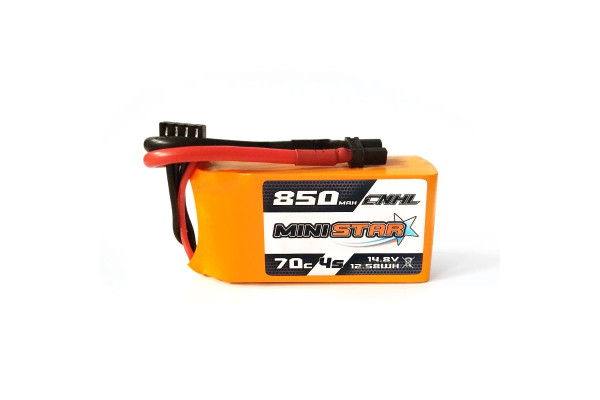
Catalog/source image: CNHL
Catalog/source image: GNB
CNHL
GNB