FPV Racing for Beginners: What to Practice First
A beginner racing guide that focuses on practice structure, track awareness, and the simplest path into competition.
FPV Racing for Beginners: What to Practice First
SEO Title: FPV Racing for Beginners: Your Ultimate Guide to Get Started Meta Description: Unlock the thrill of FPV racing for beginners! Discover how easy it is to start with modern tech & community support. Get your essential gear list & tips here! Slug: fpv-racing-for-beginners
FPV Racing for Beginners: Your Ultimate Guide to Get Started
Imagine strapping into a cockpit, not with your body, but with your senses. Feel the rush of wind, the blur of obstacles, and the precision of flight, all from the first-person perspective of a lightning-fast drone. This is FPV (First-Person View) racing, an exhilarating sport that combines cutting-edge technology with pure adrenaline. For years, it seemed like a niche hobby reserved for tech gurus and seasoned pilots. But what if we told you that recent advancements in drone technology, user-friendly equipment, and a booming, welcoming community have made now the absolute best time for beginners to dive into FPV racing? Get ready to unlock the skies – your ultimate guide to starting your FPV racing journey begins here.
The Allure of FPV Racing: Why Now is Your Moment
FPV racing isn't just about flying drones; it's about an unparalleled immersive experience that puts you directly in the pilot's seat. The feeling of weaving through gates at breakneck speeds, executing precise maneuvers, and competing against others is uniquely thrilling.
Beyond Traditional Drones: The Immersive Experience
Unlike consumer camera drones that offer a third-person, often slower, and stabilized flight experience, FPV racing drones are built for speed, agility, and raw performance. The "first-person view" comes from a camera on the drone transmitting live video to your goggles, making you feel as if you are onboard. This level of immersion is what captivates pilots, allowing for incredible acrobatic maneuvers, high-speed passes, and a sense of freedom that's hard to find elsewhere. It's less about capturing cinematic shots and more about pushing the limits of speed and control.
Technological Leaps: Easier Entry Than Ever Before
The FPV landscape has transformed dramatically in recent years, making it more accessible to newcomers.
- Digital FPV Systems: The introduction of digital FPV systems like DJI's O3 Air Unit, Walksnail Avatar, and HDZero has revolutionized the visual experience. Gone are the days of purely grainy, analog video. These systems offer crystal-clear, high-definition feeds with surprisingly low latency, making spatial awareness and precise control much easier for beginners to grasp.
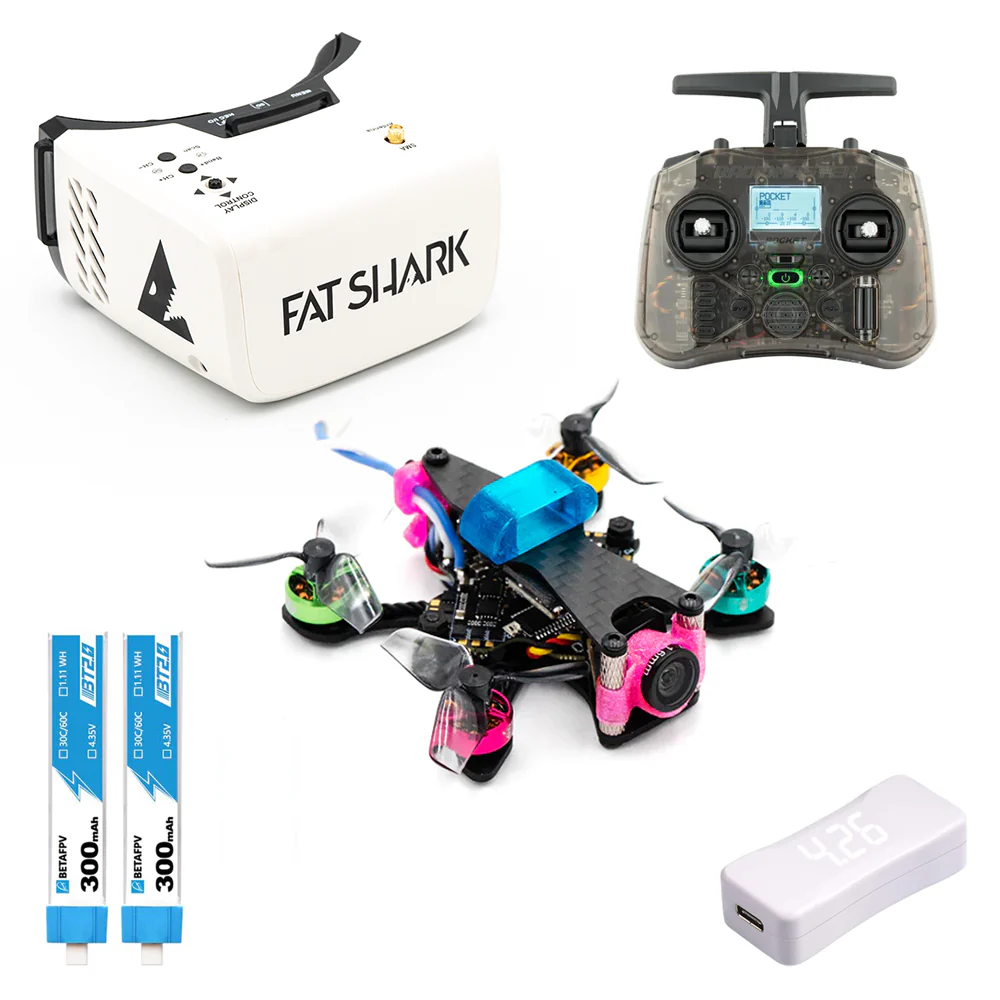
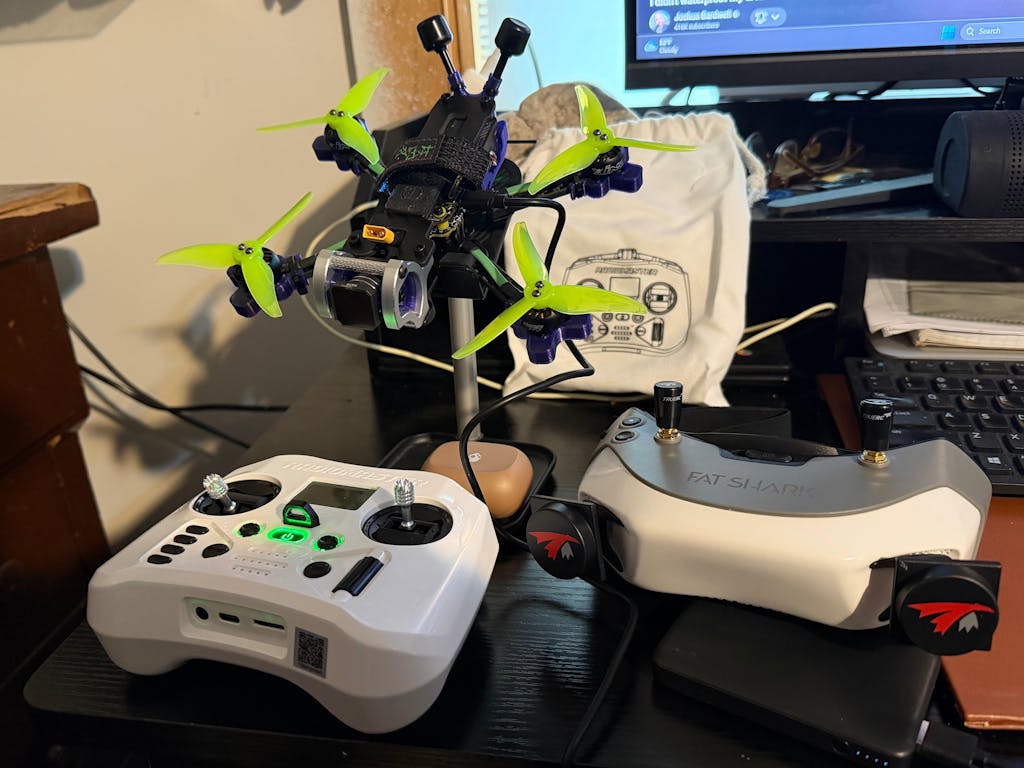
- Ready-To-Fly (RTF) Kits: Manufacturers now offer excellent RTF kits that include everything you need to start: a drone, goggles, and a radio transmitter, all pre-bound and configured. This eliminates the daunting task of researching, buying, and assembling individual components, which used to be a significant barrier.
- Advanced Flight Controllers & Software: Modern flight controllers (FCs) and open-source firmware like Betaflight come with sophisticated self-leveling modes and intuitive configurators, simplifying initial setup and tuning. Motors are more efficient, ESCs (Electronic Speed Controllers) are more robust, and overall drone reliability has improved significantly.
A Thriving, Welcoming Community
Perhaps one of the most underrated aspects of FPV racing is its vibrant and supportive community. From online forums and social media groups to local clubs and organized race events, FPV pilots are generally enthusiastic about helping newcomers. You'll find countless tutorials, troubleshooting guides, and experienced pilots eager to share their knowledge, making the learning curve far less intimidating. This collective passion fosters an environment where questions are welcomed, and progress is celebrated.
Deconstructing FPV Racing: The Core Concepts
Before you take to the skies, understanding the fundamental concepts of FPV racing is crucial.
What Exactly is FPV Racing?
FPV racing involves pilots navigating their drones through a predetermined course marked by gates, flags, and obstacles, all while viewing the action through FPV goggles. The goal is to complete the course in the fastest time possible, often competing head-to-head with other pilots. Races can take place indoors (using tiny Whoops) or outdoors (with 5-inch or smaller racing quads), in various environments from open fields to abandoned warehouses.
Acro vs. Stabilized: Understanding Flight Modes
This is one of the most critical distinctions for beginners:
- Stabilized Mode (Angle/Horizon Mode): In these modes, the drone automatically levels itself when you release the control sticks. Angle mode limits the tilt angle, making it very forgiving for beginners, much like a typical camera drone. Horizon mode allows for flips and rolls but still self-levels when sticks are centered. While great for getting accustomed to FPV, it won't prepare you for racing.
- Acro Mode (Rate Mode): This is the standard for FPV racing and freestyle flying. In Acro mode, the drone does not self-level. When you tilt the drone, it holds that angle and continues to rotate until you command it to stop. This provides full, precise control over the drone's attitude, allowing for complex maneuvers, tight turns, and maximum speed. Learning Acro mode is essential for serious FPV flying, and simulators are your best friend here.
Key Components of a Racing Drone Explained
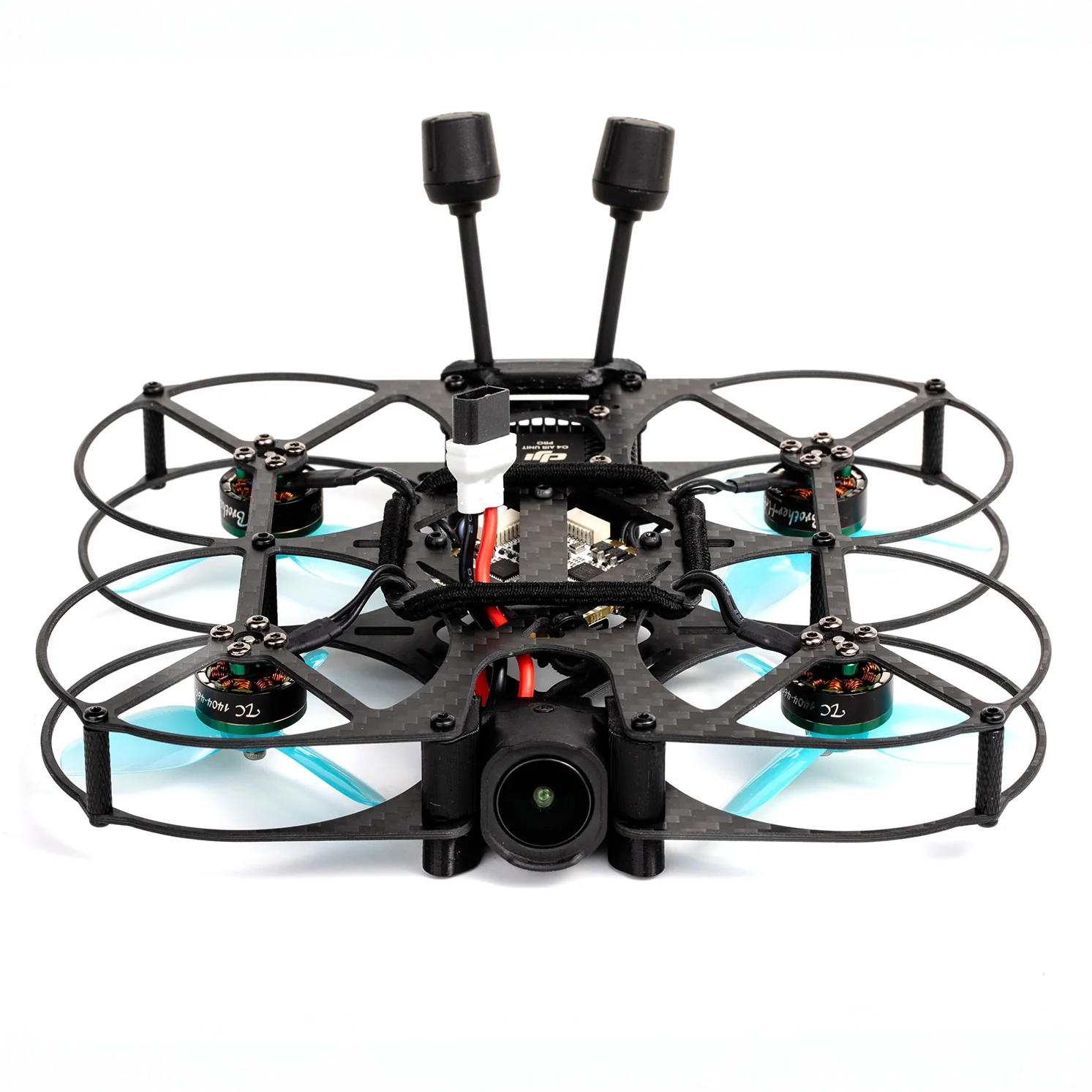
A typical FPV racing drone, often called a "quadcopter" or "quad," consists of several interconnected components:
- Frame: The structural backbone, usually made of carbon fiber, designed for durability and minimal weight.
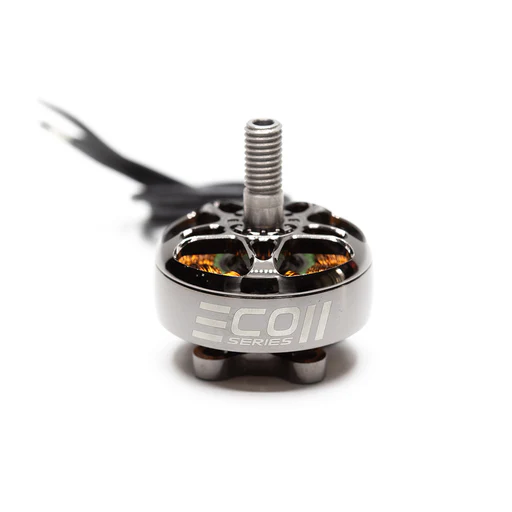
- Motors: Brushless motors provide the thrust. Racing drones typically use high KV (kilovolt) motors for speed (e.g., 2207 1700KV for 6S batteries or 2306 2400KV for 4S).
- ESCs (Electronic Speed Controllers): These convert signals from the Flight Controller into power for the motors, controlling their speed and direction. Often combined into a 4-in-1 ESC board.
- Flight Controller (FC): The brain of the drone. It takes pilot input from the radio receiver, processes sensor data (gyroscope, accelerometer), and sends commands to the ESCs to stabilize and control the drone.
- Video Transmitter (VTX): Sends the live video feed from the FPV camera to your goggles. Power output (mW) affects range and signal penetration.
- FPV Camera: A small, wide-angle camera mounted at the front, providing the first-person view.
- Receiver (RX): Receives control signals from your radio transmitter and relays them to the FC. Protocols like ExpressLRS (ELRS) are popular for their robust range and low latency.
- Battery: Lithium Polymer (LiPo) batteries provide power. Rated by voltage (S, e.g., 4S, 6S) and capacity (mAh).
Your Essential FPV Racing Gear List for Beginners
Starting FPV racing requires a few key pieces of equipment. Here’s what you’ll need:
The Drone: RTF, BNF, or DIY?
- RTF (Ready-To-Fly) Kits: Highly recommended for beginners. These kits include a pre-built drone, FPV goggles, and a radio transmitter, all configured and ready to go out of the box. Examples include the BetaFPV Cetus X Kit or the Emax Tinyhawk III Plus Freestyle RTF Bundle. They eliminate the complexity of component selection and assembly, letting you focus on flying.
- BNF (Bind-N-Fly): These drones are fully assembled but come without a radio transmitter or goggles. You'll need to bind them to your existing radio. This is a good option if you already have a preferred radio or want to upgrade your drone while keeping your other gear.
- DIY (Do-It-Yourself): Building a drone from individual components offers the most customization and deep understanding of the technology, but it's not recommended for absolute beginners. It requires soldering skills, extensive research, and troubleshooting knowledge.
FPV Goggles: Your Window to the Race
Your FPV goggles are your most important connection to the drone.
- Analog Goggles: More affordable and often have lower latency, but the video quality is typically grainy with static. Excellent budget options include the Eachine EV800D (box goggles) or the Skyzone Cobra X. These are a great entry point.
- Digital HD Goggles: Offer vastly superior image quality, often in HD, making it easier to see obstacles and details. Popular choices include DJI Goggles 2 or DJI Goggles Integra (paired with DJI O3 Air Unit), Walksnail Avatar Goggles X (for Walksnail systems), and HDZero Goggle (for HDZero systems). While more expensive, the visual clarity can significantly enhance the learning experience and overall immersion. For serious racing, digital systems are becoming the standard.
Radio Transmitter: Your Hands-On Control
This is how you control your drone. Look for a radio with good gimbals (the sticks you control) and support for a robust communication protocol.
- Recommended Protocol: ExpressLRS (ELRS). This open-source protocol offers incredible range, penetration, and extremely low latency, making it ideal for FPV racing. Many modern radios come with an internal ELRS module or support external modules.
- Beginner Radios:
- Radiomaster Zorro or Jumper T-Lite V2: Compact, game-controller style radios, excellent for portability and comfortable for many.
- Radiomaster Boxer or TX16S MkII: Larger, more traditional radio form factor, offering more switches and often better gimbals (like AG01 or V4.0 Hall Gimbals). These are more feature-rich and future-proof.
- Practical Tip: Invest in a decent radio from the start. A good radio will last you through many drone upgrades and significantly impact your flying precision.
Batteries, Chargers, and Essential Tools
- LiPo Batteries: FPV drones use Lithium Polymer (LiPo) batteries. You'll need several (at least 4-6) to extend your flight sessions. The "S" rating (e.g., 4S, 6S) denotes voltage, and mAh (milliamp-hour) denotes capacity. For a 5-inch racing drone, 4S 1300mAh or 6S 1100mAh are common. For tiny Whoops, 1S LiPos are used.
- LiPo Charger: A balance charger is essential for safely charging LiPo batteries. Look for smart chargers like the ToolkitRC M4AC, Hota D6 Pro, or ISDT Q6 Nano. Always charge in a fire-safe bag and never leave charging batteries unattended.
- Essential Tools: Propeller removal tool, a set of hex drivers (1.5mm, 2mm, 2.5mm), zip ties, electrical tape, and a basic soldering iron kit (for repairs down the line) are invaluable.
Mastering the Skies: Learning to Fly FPV
Learning to fly FPV, especially in Acro mode, takes practice and patience. But with the right approach, you'll be zipping through gates in no time.
The Indispensable FPV Simulator Practice
This is the single most important step for beginners. FPV simulators allow you to practice flying in Acro mode without the risk of crashing and damaging your physical drone. You can connect your actual radio transmitter to your computer and get a realistic feel for the controls.
- Recommended Simulators:
- Liftoff: Excellent graphics, good physics, and a wide variety of drones and tracks.
- DRL Simulator (Drone Racing League Simulator): Focuses heavily on racing, good for competitive practice.
- Velocidrone: Known for its highly accurate physics, favored by many professional racers for serious training.
- Practical Tip: Spend at least 10-20 hours in a simulator before your first real flight. Focus on basic hovering, controlled forward flight, and smooth turns in Acro mode. Don't touch a real drone until you can consistently fly around a virtual track without crashing.
Your First Real Flights: Safety and Setup
When you're ready for your first real flight:
- Choose a Safe Location: Find a wide-open area, far away from people, animals, roads, and buildings. A large park or an empty field is ideal.
- Start with a Spotter: Have a friend or fellow pilot act as a spotter. They can keep an eye on your drone in the air and alert you to any hazards or if the drone is getting too far away.
- Pre-Flight Checks: Always check your battery voltage, prop direction, and ensure all connections are secure.
- Begin in Angle Mode (if available): While your goal is Acro, starting in a stabilized mode can help you get a feel for the drone's power and responsiveness in a less intimidating way.
- Transition to Acro Mode: Once comfortable with basic drone control, switch to Acro mode in a very controlled environment. Start with gentle throttle movements and practice hovering.
Understanding Basic Maneuvers and Controls
- Throttle: Controls altitude. Smooth throttle management is key.
- Roll (Aileron): Tilts the drone left or right (left stick for Mode 2 pilots).
- Pitch (Elevator): Tilts the drone forward or backward (right stick for Mode 2 pilots).
- Yaw (Rudder): Rotates the drone horizontally (left stick for Mode 2 pilots).
Practice flying in a straight line, making gentle turns, and then moving to figure-eights. The goal is to build muscle memory and smooth stick inputs.
Buyer's Guide: Choosing Your First FPV Racing Setup
Making your first purchase can be overwhelming. Here's how to approach it.
Beginner-Friendly RTF (Ready-To-Fly) Kits
For absolute beginners, an RTF kit is the easiest entry point.
- BetaFPV Cetus X Kit: An excellent option. It often includes a small, durable drone (like a 2.5-inch Whoop), a basic radio, and decent box goggles. It's affordable and allows you to practice both indoors and outdoors in calm conditions.
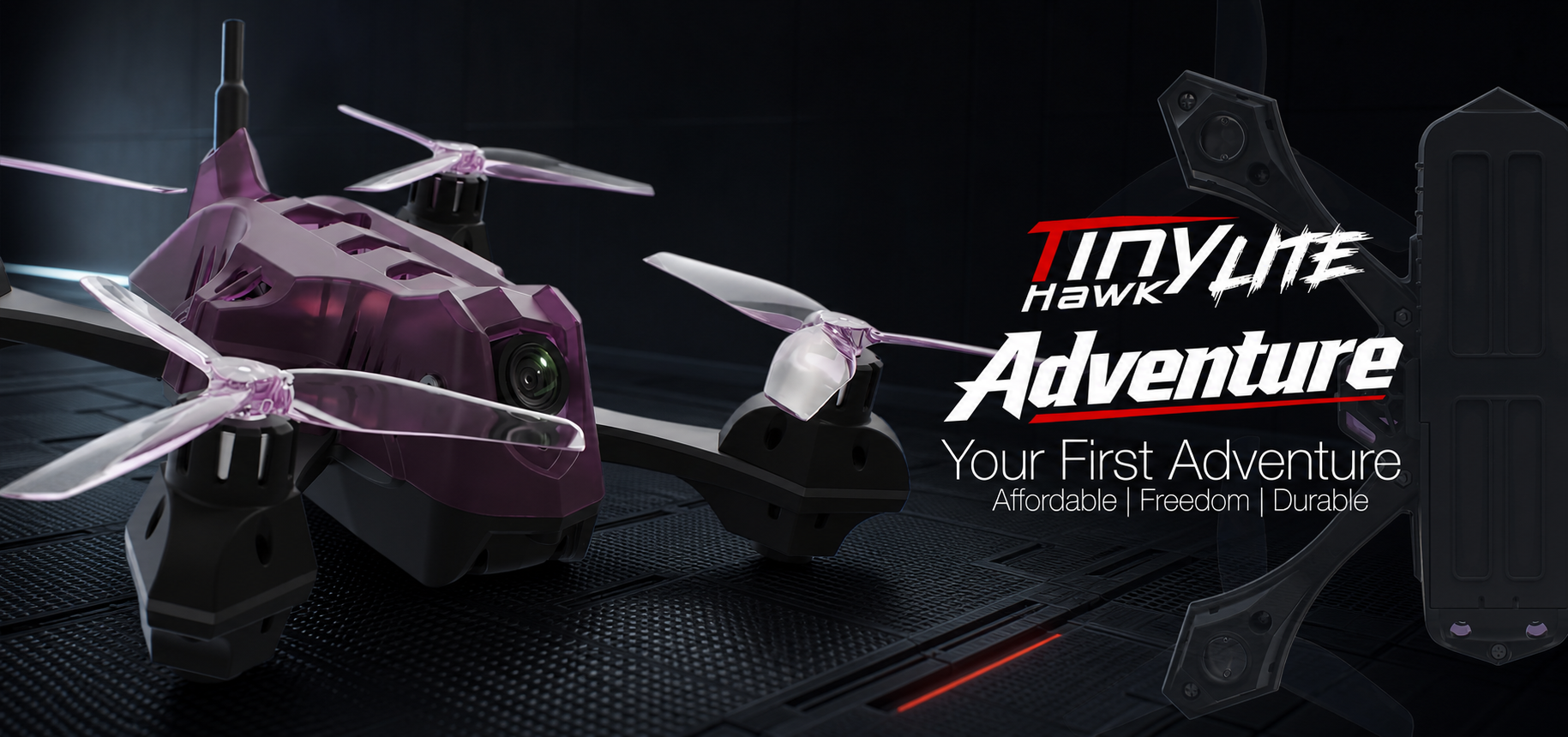
- Emax Tinyhawk III Plus Freestyle RTF Bundle: Another fantastic choice, especially for those wanting a slightly more capable drone for outdoor freestyle and light racing. It's known for its durability and good flight characteristics.
- Considerations: While convenient, the goggles and radio in RTF kits are usually entry-level. You'll likely want to upgrade them as you progress, but they are perfectly adequate for learning.
Budgeting Your FPV Journey: What to Expect
The cost to get into FPV racing varies significantly based on your choices:
- Entry-Level Analog RTF Kit: Expect to pay around $300 - $500. This gets you a decent drone, basic analog goggles, and a radio.
- Mid-Range Analog Setup (separate components): If you buy a better radio, a BNF drone, and mid-range analog goggles, you're looking at $500 - $800.
- Entry-Level Digital Setup: This is where costs increase. A digital RTF kit or buying a BNF digital drone, a good radio, and entry-level digital goggles will likely set you back $600 - $1000+.
- Ongoing Costs: Don't forget batteries (you'll need many!), spare propellers, and occasional repair parts. FPV is a hobby where crashes happen, so budgeting for spares is crucial.
Recommended Starter Drones and Accessories
Beyond RTF kits, if you choose to buy components separately:
- Tinywhoops (e.g., Mobula7, Meteor75): Great for indoor flying and learning throttle control in a safe environment. Very durable.
- 2.5-3.5 inch Micro/Freestyle Quads (e.g., GepRC Cinelog25, iFlight Protek25): Good for outdoor learning in smaller spaces. Often more durable than 5-inch racers.
- 5-inch Freestyle/Racing Quads (e.g., iFlight Nazgul Evoque F5, GepRC Mark5): The standard for outdoor racing and freestyle. More powerful, but also more prone to damage in crashes for beginners.
- Accessories: A quality LiPo safe bag, a smoke stopper (an essential safety device to prevent damage during initial power-ups of new builds/repairs), and plenty of spare propellers.
Connecting with the FPV Community
The FPV community is one of the most welcoming in the drone world. Leverage it for learning and support!
Online Forums and Social Media Groups
- Reddit: Subreddits like
r/fpvare treasure troves of information, advice, and build logs. - Facebook Groups: Search for "FPV Racing," "Beginner FPV," or local FPV groups in your area.
- YouTube: Channels like Joshua Bardwell, RotorRiot, and Oscar Liang provide invaluable tutorials, reviews, and explanations.
- Discord Servers: Many FPV content creators and communities host active Discord servers for real-time discussion and help.
Local Clubs and Meetups: Flying Together
- MultiGP: The largest FPV racing league globally. Check their website for local chapters and organized races near you.
- Local FPV Clubs: Search online for "FPV club [your city/region]" or "drone racing [your city/region]". These clubs often host informal meetups, practice sessions, and can be an incredible resource for hands-on help and camaraderie.
- Practical Tip: Don't be afraid to reach out to local groups. Most pilots are thrilled to help new members get started and share their passion.
Attending Your First Race Event
Even if you're not ready to compete, attending a local FPV race event as a spectator is highly recommended. You'll get to see skilled pilots in action, understand the race format, and meet fellow enthusiasts. It's a fantastic way to immerse yourself in the culture and get motivated to hone your skills.
Frequently Asked Questions (FAQ)
How much does it cost to get into FPV racing?
The cost can range from $300-$500 for a basic analog Ready-To-Fly (RTF) kit to $600-$1000+ for a more capable setup with digital FPV. This typically includes the drone, goggles, radio, batteries, and a charger.
Is FPV racing difficult to learn for a beginner?
Learning FPV racing, especially flying in Acro mode, has a steep initial learning curve. However, with modern RTF kits, excellent FPV simulators, and a supportive community, it's more accessible than ever. Patience and consistent simulator practice are key.
What is the best FPV drone simulator for beginners?
Liftoff, DRL Simulator, and Velocidrone are highly recommended. They allow you to connect your actual radio and practice flying in Acro mode without damaging real equipment.
What equipment do I need to start FPV racing?
You'll need an FPV drone (an RTF kit is best for beginners), FPV goggles, a radio transmitter, LiPo batteries, a LiPo charger, and some basic tools (like hex drivers and spare props).
Where can I find beginner-friendly FPV racing communities or events?
Look for local FPV clubs through online searches ("FPV club [your city]"), check the MultiGP website for local chapters, and join online communities on Reddit (e.g., r/fpv), Facebook groups, and Discord servers dedicated to FPV.
Conclusion: Your FPV Adventure Awaits!
The world of FPV racing is more accessible and exciting than ever before. With advancements in technology simplifying the learning curve and a vibrant, supportive community ready to welcome new pilots, there's never been a better time to take the plunge. From understanding the basics and gathering your essential gear to mastering flight in a simulator and connecting with local enthusiasts, you now have a comprehensive roadmap to begin your journey. The thrill of FPV flight, the challenge of racing, and the camaraderie of the community are all within your reach. Don't just watch from the sidelines – grab your goggles, power up your drone, and start your FPV adventure today!
Copyright-safe media generated locally by FPVLovers