FPV Racing Gear Checklist for Your First Event
A community-first race day checklist that helps new racers show up prepared without overbuying.
FPV Racing Gear Checklist for Your First Event
The gates are open, the motors are spinning, and the 2024 FPV Racing Season is here! Whether you're a seasoned pilot aiming for the podium or a newcomer eager to dive into the exhilarating world of drone racing, having the right gear is paramount. This isn't just about flying; it's about precision, speed, and competitive edge. Our comprehensive FPV racing gear checklist for 2024 will guide you through every essential component, from the drone's core to your ground station, ensuring you're fully equipped to dominate the track and elevate your FPV experience. Let's gear up for an unforgettable season!
The Core of Your Race Machine: Essential Drone Components
At the heart of every FPV racing setup is the drone itself. Building or choosing the right quadcopter involves selecting components that work in harmony to deliver maximum performance, durability, and responsiveness.
The Foundation: Frame, Motors, and Propellers
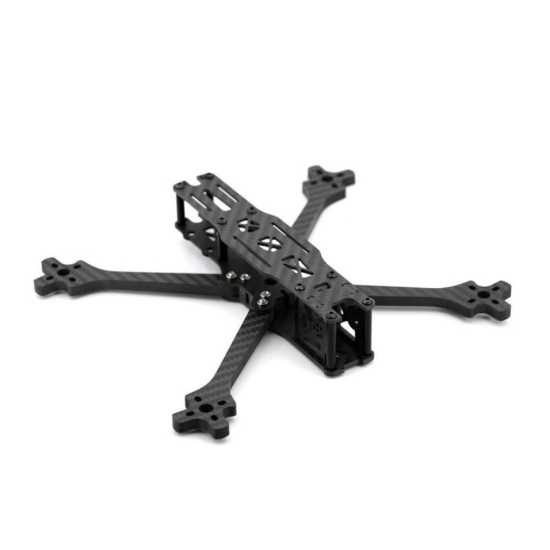
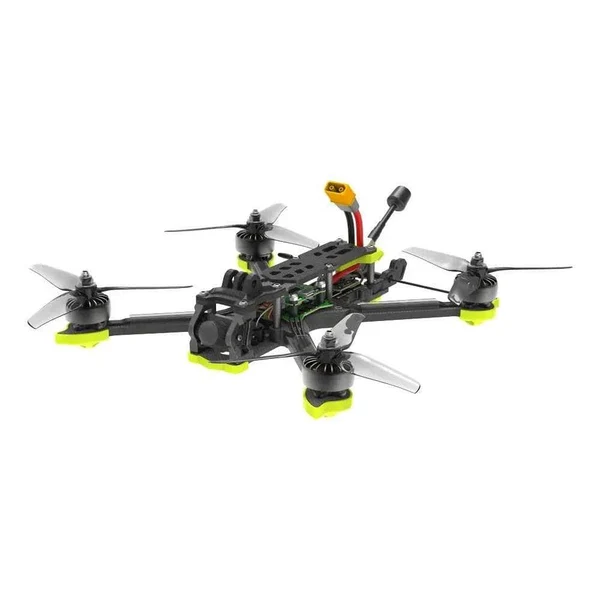
Your drone's frame is its skeleton. For FPV racing, carbon fiber frames are the undisputed champions due to their incredible strength-to-weight ratio and rigidity. Common racing drone sizes, like the popular 5-inch class, refer to the diagonal motor-to-motor distance. Look for robust designs that can withstand crashes, such as the ImpulseRC Apex or GEPRC Mark5, often featuring replaceable arms.
Motors are the muscle, and their performance is critical. Brushless motors are standard, with specifications like size (e.g., 2207, 2306) and KV rating. KV indicates RPM per volt; higher KV (e.g., 2450KV for 4S LiPo) means more speed for lower voltage setups, while lower KV (e.g., 1750KV for 6S LiPo) is suited for higher voltage for efficiency and sustained power. Brands like T-Motor, EMAX, and Xing are highly regarded.
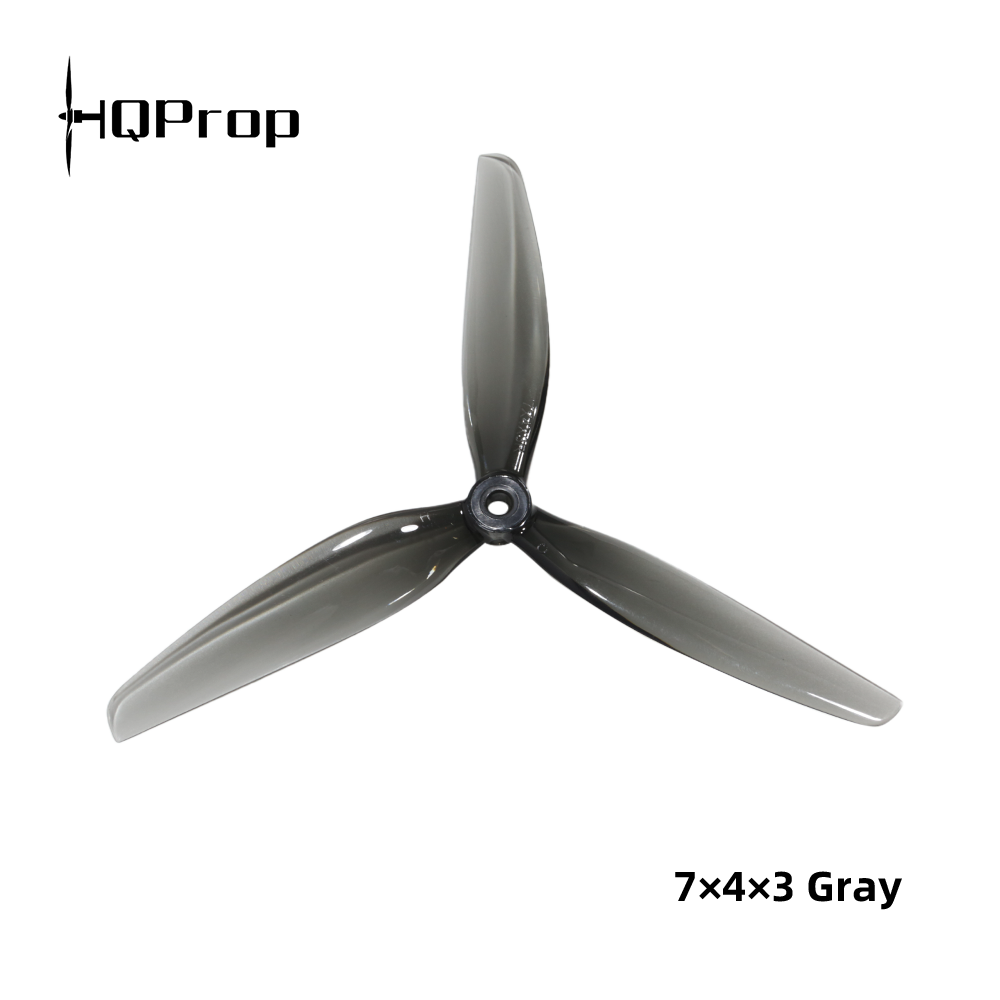
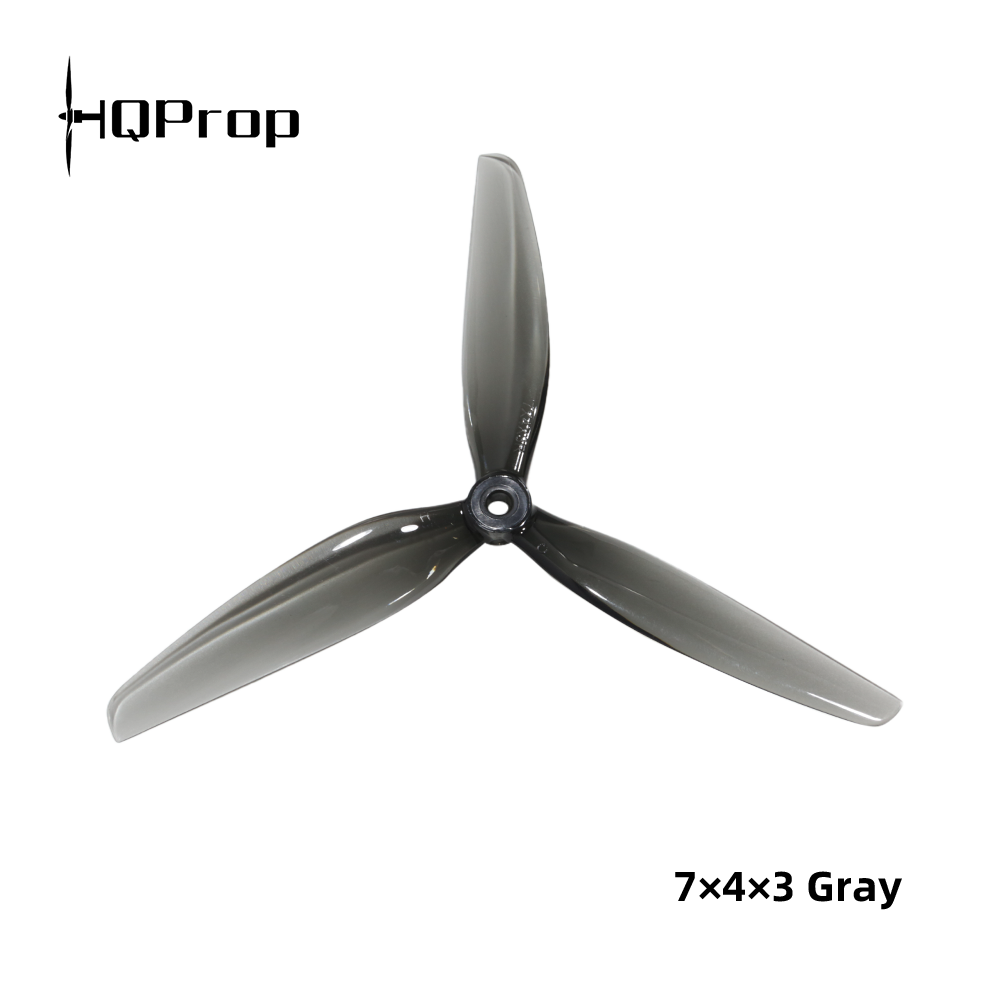
Propellers are the drone's wings. For racing, tri-blade or quad-blade propellers (e.g., HQProp Ethix S5, Gemfan Hurricane 5143) are preferred for their balance of thrust, control, and responsiveness. Always match prop size to your motors and frame, and carry plenty of spares!
The Brains: Flight Controller (FC) & Electronic Speed Controllers (ESC)
The Flight Controller (FC) is the drone's brain, running firmware like Betaflight, Kiss, or EmuFlight. It processes your commands, stabilizes the drone, and executes complex flight maneuvers. Modern FCs feature powerful processors (F4, F7, or even H7) for faster loop times and advanced features.
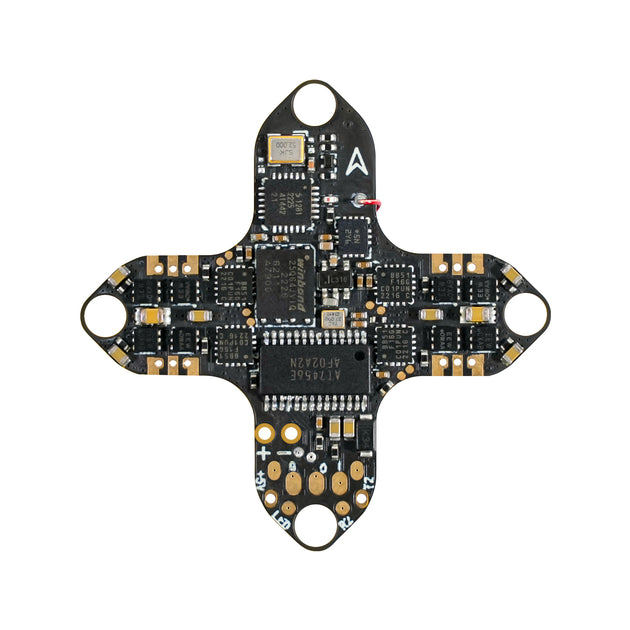
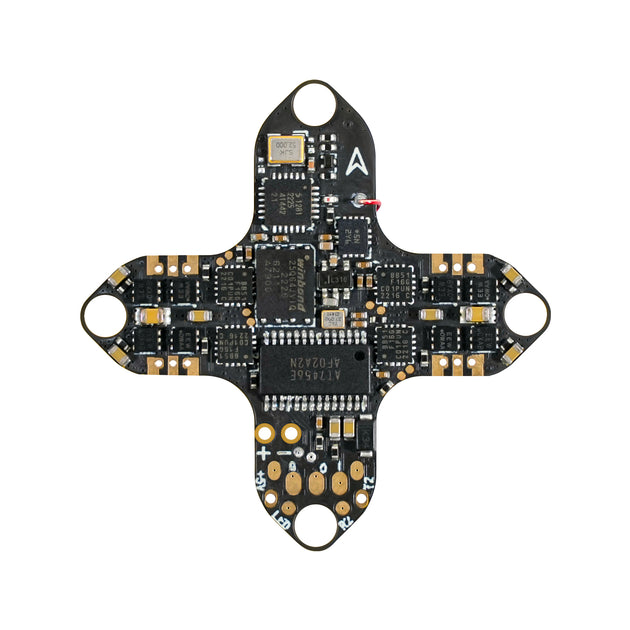
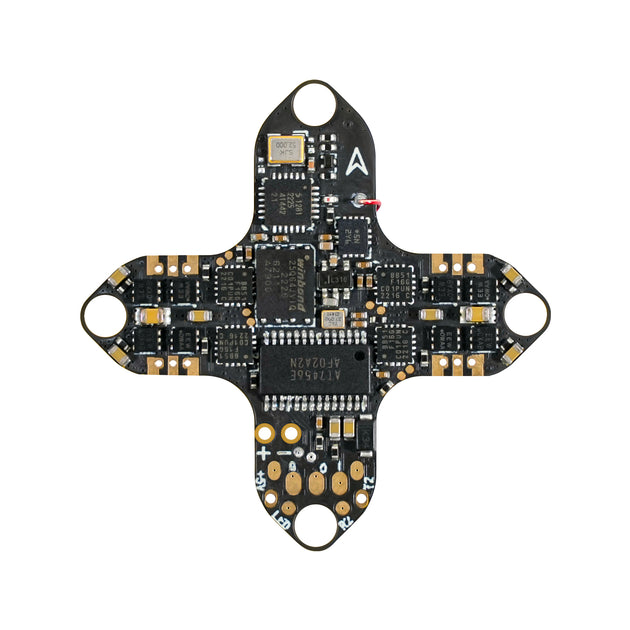
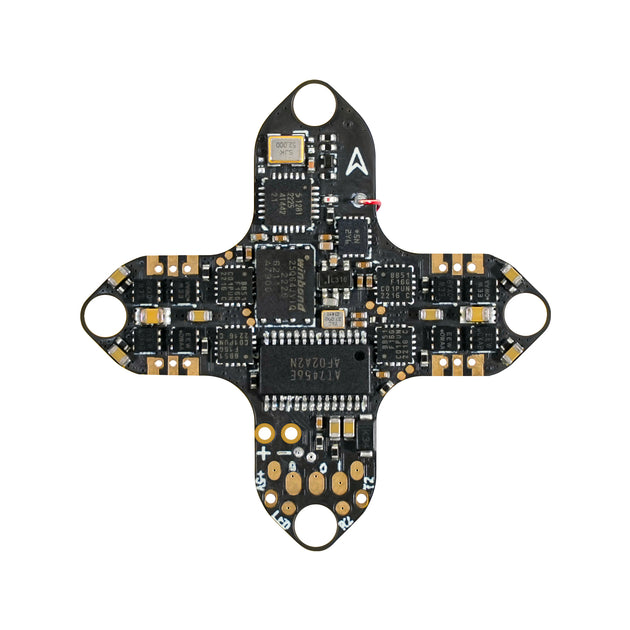
Electronic Speed Controllers (ESCs) translate signals from the FC into motor power. You'll find individual ESCs mounted on each arm, or more commonly now, 4-in-1 ESCs which combine all four into a single board mounted in the stack. Many racing setups utilize an FC/ESC stack, where both boards are designed to connect directly, simplifying wiring. For compact builds, All-In-One (AIO) boards integrate the FC and ESCs onto a single PCB. Pay attention to current ratings (e.g., 45A, 55A) to ensure they can handle your motors' power demands.
Your Eyes in the Sky: FPV Camera & Video Transmitter (VTX)
Your FPV Camera is your window to the track. For racing, low latency is paramount, often prioritizing response time over absolute image quality. CMOS sensors are common, offering good dynamic range, but some pilots still prefer CCD for specific light conditions. Cameras come in various sizes (micro, mini, standard), with brands like Caddx (Ratel 2, Nebula Pro) and RunCam (Phoenix 2, Split) being popular choices.
The Video Transmitter (VTX) takes the camera's feed and sends it wirelessly to your goggles. Most FPV racing operates on the 5.8GHz (5G8) frequency band due to its compact antenna size and generally good performance in short-range environments. Key VTX features include adjustable power output (e.g., 25mW for racing, up to 1W+ for long-range) and SmartAudio/Tramp protocols, which allow you to change VTX settings via your FC's OSD (On-Screen Display). The DJI O3 Air Unit, Walksnail Avatar, and HDZero Race V2 are leading options for digital FPV, offering superior image clarity.
The Link: Receiver (RX) for Command
A reliable radio receiver (RX) is crucial for translating your radio transmitter's commands into actions for the flight controller. Without it, your drone is just a collection of parts. The choice of RX is dictated by your radio transmitter's protocol. Popular protocols include:
- ExpressLRS (ELRS): Gaining immense popularity for its incredible range, low latency, and open-source nature, available in 2.4GHz and 900MHz versions.
- Crossfire (TBS Crossfire): A long-standing favorite for its robust link, excellent penetration, and long range, typically operating on 900MHz.
- FrSky: A widely adopted protocol, often found in beginner-friendly setups.
- Spektrum: Another common protocol, particularly in the RC hobby.
Ensure your RX matches your transmitter's module to guarantee compatibility and a solid, interference-free connection during critical race moments.
Your Window to the Sky: FPV Goggles & Video System
The FPV goggles are where the magic happens, transforming your drone's camera feed into an immersive, first-person experience.
Immersive Vision: Choosing Your FPV Goggles
FPV Goggles are your personal cockpit display. The market is broadly split between analog and digital systems, each with distinct advantages:
- Analog Goggles: Traditionally offered the lowest latency, which is critical for racing. Brands like Fat Shark (HDO2, Dominator) and Orqa (FPV.One Pilot) are top contenders. They typically offer a more "raw" image but are highly responsive.
- Digital Goggles (HD): Provide significantly superior image quality and clarity. Systems like DJI FPV (Goggles 2, Integra), Walksnail Avatar HD Goggles X, and HDZero FPV Goggle have revolutionized the experience with high-definition video feeds. While initially having slightly higher latency than analog, modern digital systems have become incredibly optimized for racing, offering stunning visuals without a noticeable performance hit for most pilots.
Consider factors like field of view (FOV), screen resolution, comfort, and the ability to accept external video receivers when making your choice.
Signal Clarity: Video Receiver (VRX) & Antennas
The Video Receiver (VRX) is the component responsible for receiving the video signal transmitted by your drone's VTX. In many modern FPV goggles, especially digital ones, the VRX is integrated. For analog systems, external VRX modules (e.g., RapidFire, Fusion) are often used for improved signal reception. These modules typically connect to the goggle's module bay.
Antennas are vital for both your VTX and VRX to ensure a clear and stable video link. For the 5.8GHz (5G8) band, you'll typically use a combination of:
- Omnidirectional Antennas: Such as circular polarized (CP) "cloverleaf" or "pagoda" antennas on your drone (VTX) and often one on your goggles (VRX). These provide a wide coverage pattern.
- Patch Antennas: Directional antennas used on your goggles (VRX) to focus reception in a specific direction, significantly improving signal strength and range when pointed towards your drone. A good setup often involves one omni and one patch antenna on the goggles.
Investing in quality antennas like those from Lumenier or TBS can make a noticeable difference in video clarity and penetration.
Command and Control: The Radio Transmitter
Your Radio Transmitter (TX) is the most personal piece of FPV equipment, serving as the direct interface between your mind and your drone.
Your Hands-On Connection: Radio Transmitter (TX) Features
The radio transmitter is your primary control input, translating your stick movements into commands for the drone. Choosing a comfortable and precise TX is paramount.
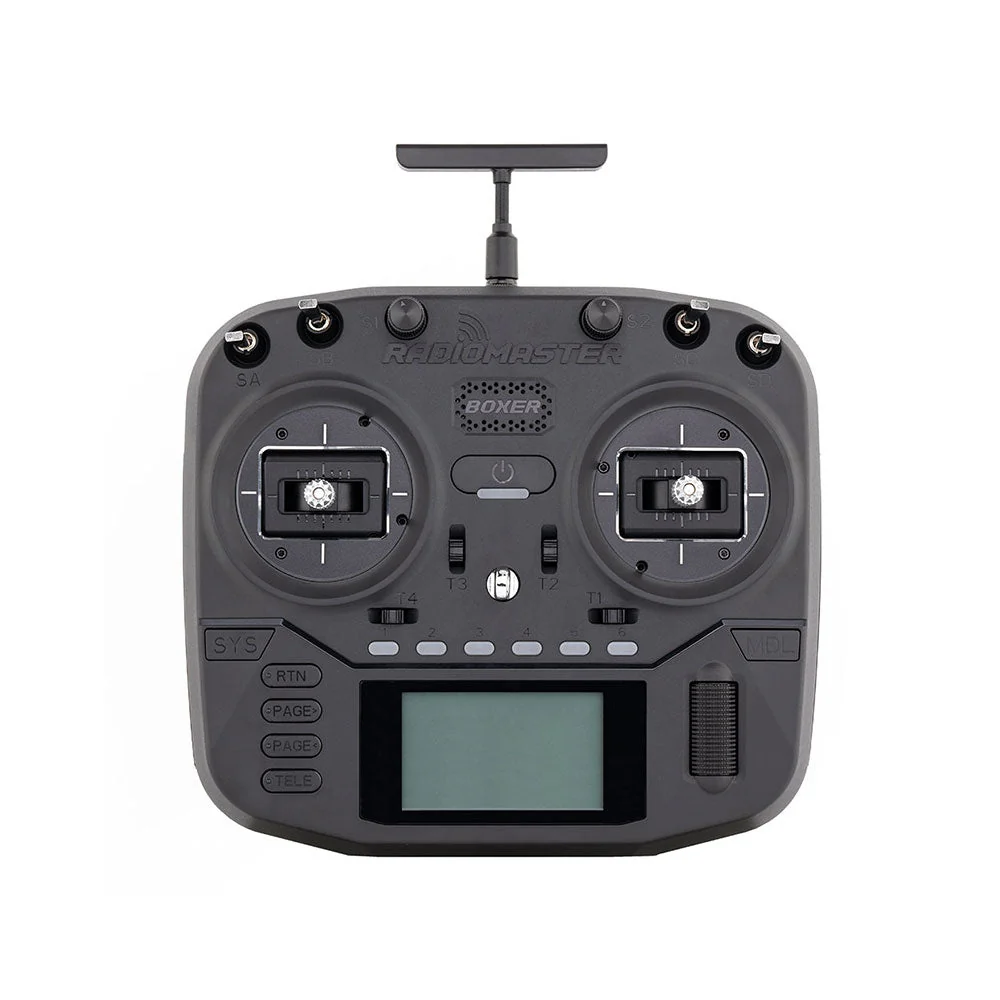
- Ergonomics: Find a transmitter that fits your hands and preferred grip style (thumbing or pinching). Brands like Radiomaster (Boxer, Zorro) and Jumper (T-Pro, T20) offer a range of sizes and form factors.
- Gimbal Quality: This is where precision lies. Hall sensor gimbals are highly recommended over potentiometer gimbals for their durability, accuracy, and resistance to drift.
- Operating Systems: Open-source firmware like EdgeTX and OpenTX are standard, offering extensive customization, telemetry, and model memory.
A good TX will last you through many drone upgrades, so it's a worthwhile investment.
Protocol Power: Ensuring Compatibility and Reliability
The protocol your radio transmitter uses is crucial for communication with your drone's receiver. As mentioned, ELRS and Crossfire are dominant in racing due to their reliability, range, and low latency. Many modern transmitters come with multi-protocol modules (like the 4-in-1 module) or external module bays (like the JR bay) that allow you to use different protocols.
- ExpressLRS (ELRS): Offers robust link quality, high refresh rates, and exceptional range. It's an open-source system, making it very accessible and continuously developing.
- Crossfire (TBS Crossfire): Known for its rock-solid link and penetration, especially in challenging environments. It's a proprietary system but has a strong reputation among competitive pilots.
- FrSky / Spektrum: While still used, they are generally considered less robust for high-intensity racing environments compared to ELRS or Crossfire.
Always ensure your TX module matches your drone's RX for seamless and reliable control. Some systems also offer multi-drone binding capabilities, simplifying race day prep.
Powering Your Pursuit: Batteries & Charging Essentials
No FPV racing drone flies without power, and that power comes from specialized batteries.
The Heartbeat: LiPo Batteries for Racing
LiPo batteries are the powerhouse of FPV racing drones. Understanding their specifications is key to optimal performance:
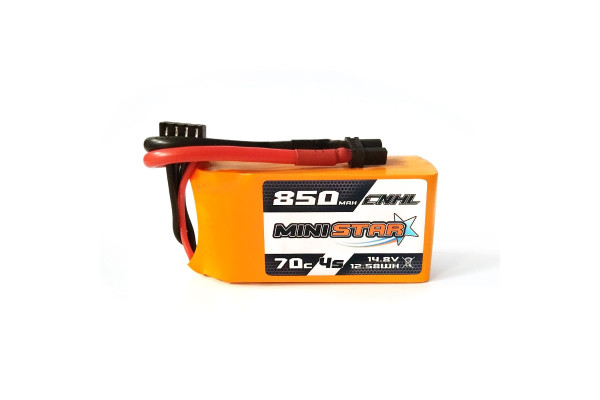
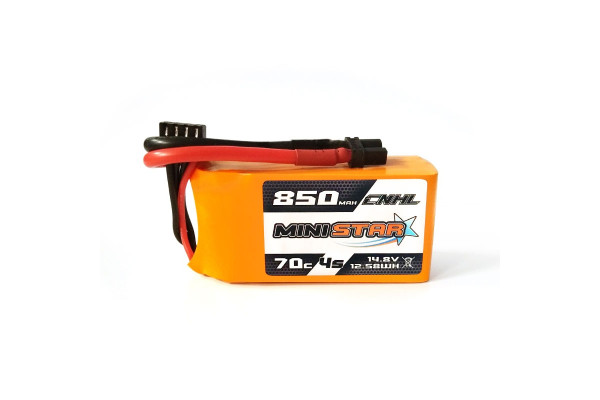
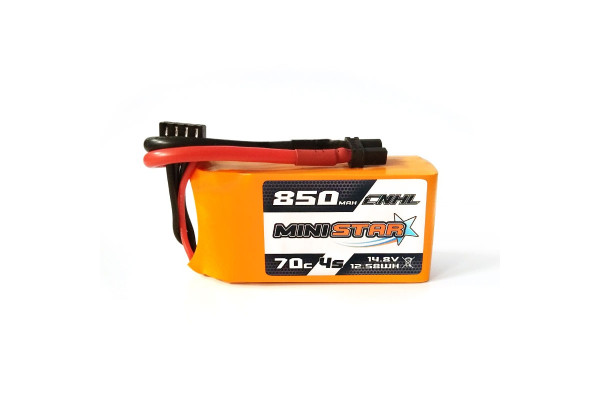
- Cell Count (S): Indicates the number of cells in series. 4S (14.8V) is common for 5-inch freestyle and some racing, while 6S (22.2V) is preferred by most racers for higher power, efficiency, and less voltage sag under load.
- Capacity (mAh): Milliamp-hours, representing how much energy the battery can store. For 5-inch racing, capacities typically range from 1300mAh to 1550mAh, balancing flight time with weight.
- C-Rating: Represents the continuous discharge rate. For racing, a high C-rating (e.g., 100C, 120C, or even higher) is crucial to provide the intense current bursts demanded by aggressive flying without damaging the battery or experiencing excessive voltage sag.
Brands like Tattu (R-Line series) and CNHL (Black Series) are popular among racers for their performance and durability. Always use XT60 or XT30 connectors, depending on your drone's power system.
Safe & Efficient Power-Up: Chargers and Power Supplies
A quality LiPo charger is non-negotiable. It must have balancing capabilities to ensure all cells in the battery are charged to the same voltage, extending battery life and safety. Look for chargers that support various cell counts and offer adjustable charge rates.
- AC/DC Chargers: Some chargers have built-in AC power supplies, while others require an external DC power supply.
- Multi-Port Chargers: For pilots with many batteries, a multi-port charger (e.g., HTRC T240, iSDT Q6 Nano) allows you to charge multiple batteries simultaneously, saving valuable time at the field.
Always use a stable and appropriately rated power supply to avoid damaging your charger or batteries.
Battery Care and Safety Protocols
LiPo batteries, while powerful, demand respect and proper handling.
- Storage Voltage: Store LiPo batteries at their nominal voltage (around 3.8V-3.85V per cell) when not in use for extended periods. Most good chargers have a "storage" mode.
- Disposal: Never dispose of LiPos in regular trash. Discharge them completely (e.g., with a salt water bath) and take them to a designated battery recycling facility.
- Safety Precautions: Always charge LiPos in a fire-safe location, preferably inside a LiPo safety bag or metal container. Never over-discharge (below 3.0V per cell) or over-charge (above 4.2V per cell) a LiPo, as this can lead to permanent damage or even fire. Visually inspect batteries for puffing or damage before and after each flight.
The Pit Crew Essentials: Tools, Spares, and Accessories
Being a successful FPV racer isn't just about flying; it's also about being a capable mechanic and always being prepared.
Essential Workshop Tools for Maintenance and Repairs
A well-equipped toolbox is crucial for quick repairs and adjustments, both at home and at the race track.
- Soldering Iron: A good quality soldering iron (e.g., TS101, Pinecil) with adjustable temperature is vital for motor swaps, ESC repairs, and general wiring. Don't forget solder and flux!
- Multimeter: Essential for diagnosing electrical issues, checking continuity, and verifying voltages.
- Hex Drivers: A set of metric hex drivers (1.5mm, 2mm, 2.5mm) is indispensable for tightening screws on your frame and components.
- Small Pliers & Wire Cutters/Strippers: For handling wires and small components.
- Heat Gun: For applying heat shrink tubing to insulate connections.
- Prop Removal Tool: To safely and easily remove stubborn propellers without damaging motors.
- Tweezers & Magnifying Glass: For working with tiny components.
Must-Have Spare Parts for Race Day Readiness
Crashes are an inevitable part of FPV racing. Being prepared with spares means you can get back in the air quickly.
- Extra Propellers: You can never have too many! Props are the most frequently broken part.
- Drone Arms: Many frames have replaceable arms, so having a few spares can save your race day.
- Zip Ties & Battery Straps: Essential for securing components and batteries.
- Screws: A variety of M2 and M3 screws in different lengths.
- Spare Motor: Having one or two spare motors can be a lifesaver.
- Spare VTX / Receiver: Depending on your budget, these can be crucial spares.
- Heat Shrink Tubing, Electrical Tape: For quick field repairs.
Field Gear and Convenient Accessories
Beyond the drone and tools, certain accessories enhance your FPV experience and convenience at the field.
- Field Charging Station: A dedicated power bank or a larger LiPo battery with a parallel charging board can allow you to charge multiple flight batteries on the go.
- LiPo Battery Checker: Quickly check battery voltage and cell balance.
- FPV Backpack: A specialized backpack (e.g., Torvol Quad Pitstop, Lowepro DroneGuard) designed to carry your drone, goggles, radio, batteries, and tools safely and organized.
- Landing Pad: Protects your drone's belly from dirt and debris during takeoff and landing.
- Small Monitor: For spectators to watch your flights in real-time.
- Gopro/Action Camera: For recording your epic flights (e.g., GoPro Hero, DJI Action).
Your First Steps into FPV Racing: A Buyer's Guide
Diving into FPV racing can seem daunting, but with the right approach, it's an incredibly rewarding journey.
Beginner-Friendly Bundles vs. Custom Builds
For newcomers, the choice often comes down to convenience versus customization:
- RTF (Ready-To-Fly) / BNF (Bind-N-Fly) Bundles: These are excellent for beginners. An RTF kit usually includes everything you need (drone, goggles, radio, batteries, charger) and is pre-assembled. A BNF drone comes assembled but requires you to bind your own radio and potentially use your own goggles.
- Pros: Easy to get started, all components are compatible, often more affordable initially.
- Cons: Limited upgrade path, components might not be top-tier, less understanding of how things work.
- Recommendation: Good for absolute beginners to get a feel for flying before investing in advanced gear.
- Custom Builds: Assembling your drone from individual components.
- Pros: Complete control over component selection, higher performance potential, better understanding of drone mechanics, easier repairs/upgrades.
- Cons: Requires technical knowledge (soldering, configuring firmware), potentially higher initial cost, more time-consuming.
- Recommendation: Ideal for intermediate pilots or beginners who are keen to learn the technical aspects from the outset.
Budgeting for Your FPV Racing Journey
"How much does it cost to get started with FPV racing?" is a common question. A realistic cost breakdown:
- Entry-Level RTF Bundle: Expect to spend $300-$500. This typically includes a small whoop or tinyhawk-style drone, basic goggles, and a simple radio. Great for learning the basics.
- Mid-Range Beginner Setup (BNF/First Custom): A decent 5-inch BNF drone, mid-tier digital goggles (e.g., Walksnail Avatar), and a good radio (e.g., Radiomaster Boxer) could cost anywhere from $700-$1200. This setup offers a much better flying experience and room to grow.
- High-End Competitive Setup: For top-tier components, including the latest digital FPV system (e.g., DJI O3), high-performance motors, and a premium radio, expect $1500+.
Remember to factor in the cost of spare batteries, propellers, and essential tools.
Upgrading Your Gear: What to Look For
"What's the difference between beginner and advanced FPV racing gear?" and how do you upgrade?
- Beginner Gear: Often prioritizes durability, ease of use, and affordability. Components might be slightly heavier or have higher latency.
- Advanced Gear: Focuses on raw performance, minimal weight, lowest latency, highest power output, and extensive customization. This includes lighter, stiffer carbon fiber frames, more powerful motors, higher C-rated LiPos, and cutting-edge digital FPV systems.
When upgrading, prioritize based on your weakest link:
- Goggles: A major upgrade from analog to digital (or from basic to premium analog) will dramatically improve your visual experience and confidence.
- Radio Transmitter: A precise TX with quality gimbals will translate your inputs more accurately.
- Motors/ESCs: Upgrading to more powerful and efficient motors and ESCs will boost speed and responsiveness.
- VTX/Antennas: A more powerful VTX and better antennas can improve signal clarity and range.
Strategic upgrades will allow your gear to evolve with your skills, rather than replacing everything at once.
Frequently Asked Questions About FPV Racing Gear
What are the absolute must-have items to start FPV racing?
The absolute essentials are a racing drone (RTF or BNF), FPV goggles, a radio transmitter, and several LiPo batteries with a compatible charger. A flight simulator is also a highly recommended "must-have" for learning without breaking real gear.
How much should I expect to spend on a beginner FPV racing setup?
A decent beginner setup can range from $300-$800. This depends on whether you opt for an all-inclusive RTF bundle (lower end) or assemble a BNF drone with separate entry-level goggles and a good radio (higher end). Investing a bit more upfront in a quality radio and goggles can save money in the long run.
What's the main difference between beginner and advanced FPV gear?
Beginner gear typically emphasizes durability, ease of setup, and cost-effectiveness. Advanced gear focuses on maximizing performance through lighter materials, lower latency components, higher power output, and greater customization options, often at a higher price point. For instance, advanced motors are more efficient and powerful, and advanced digital FPV systems offer superior image quality and very low latency.
Are there any essential tools I need for FPV drone maintenance?
Yes, absolutely. A soldering iron with solder and flux, a set of hex drivers (1.5mm, 2mm, 2.5mm), a multimeter, wire cutters/strippers, and small pliers are crucial for maintenance and basic repairs. A heat gun for heat shrink is also very useful.
What spare parts are crucial to carry to a race event?
Always bring plenty of spare propellers (they break constantly!), extra LiPo batteries, zip ties, battery straps, and ideally a spare drone arm or two if your frame has replaceable arms. A small field repair kit with basic tools and some extra screws is also a must-have for quick fixes between heats.
Conclusion: Gear Up, Fly Fast, and Conquer the Track
With this comprehensive FPV racing gear checklist, you're now equipped with the knowledge to select, set up, and maintain your competitive FPV racing drone. The world of FPV racing is thrilling and constantly evolving, but with the right gear and dedication, you'll be soaring through gates and leaving competitors in your dust. Don't just dream of the podium; build your way to it! Explore the latest gear, start practicing in a simulator, and join your local FPV community today. Your racing journey begins now!
RELATED GUIDES
Copyright-safe media generated locally by FPVLovers
Catalog/source image: HDZero
Catalog/source image: Tattu
Catalog/source image: Gemfan
Catalog/source image: TBS
HDZero
Tattu
Gemfan
TBS